
Tertulias with Rosé is a series of public conversations created and hosted by Syd Krochmalny at Barro, New York. Starting with the exhibitions at the gallery, artists, curators and writers discuss art, politics, literature and the ways forms organize perception and collective life. The conversations were recorded, transcribed and edited for publication.
Conversation held on February 28, 2024.
The original publication’s photographs are accompanied here by six selected slides from the presentation. Images are shown in full, with their source captions and credits where provided.
The conversation
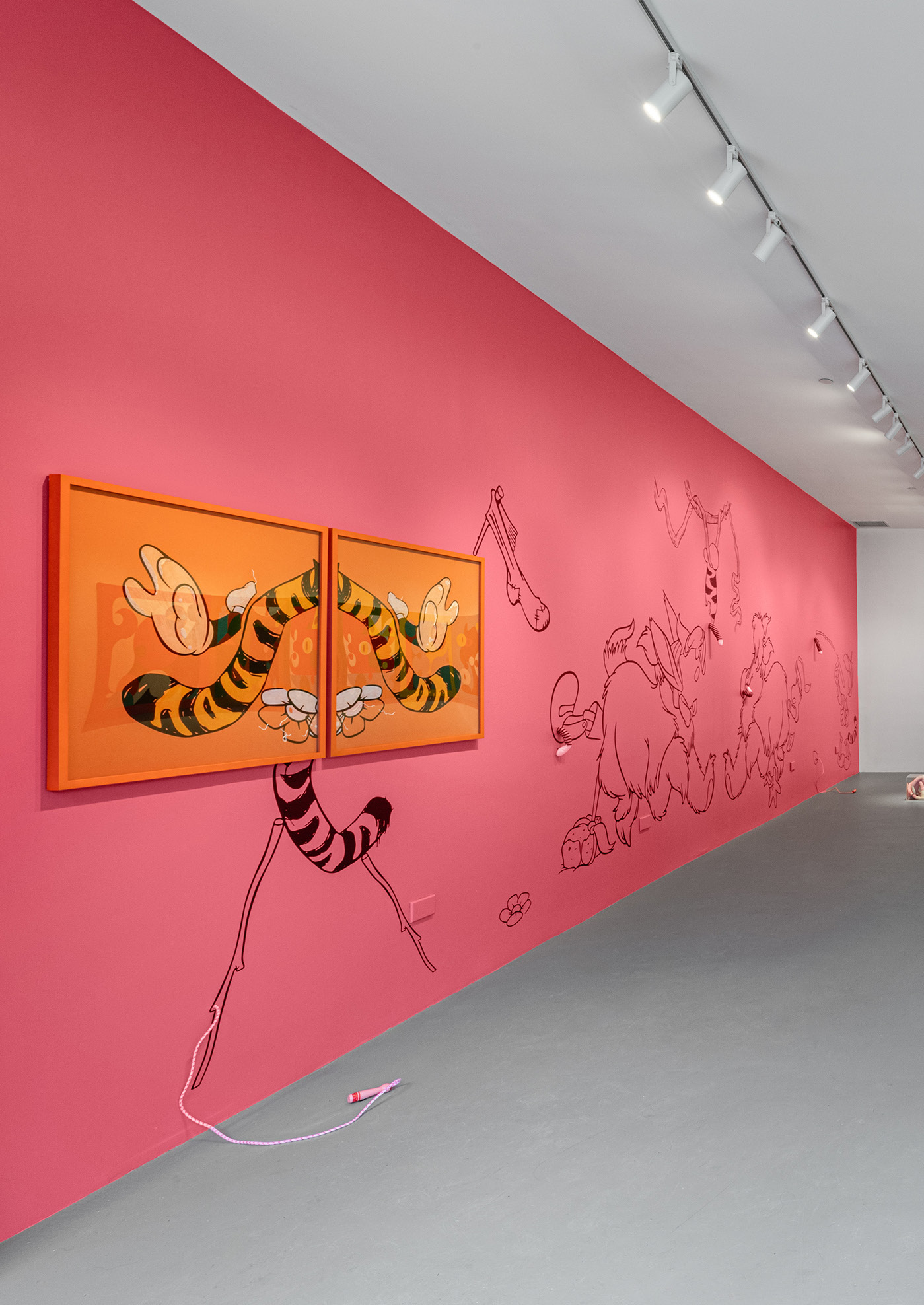
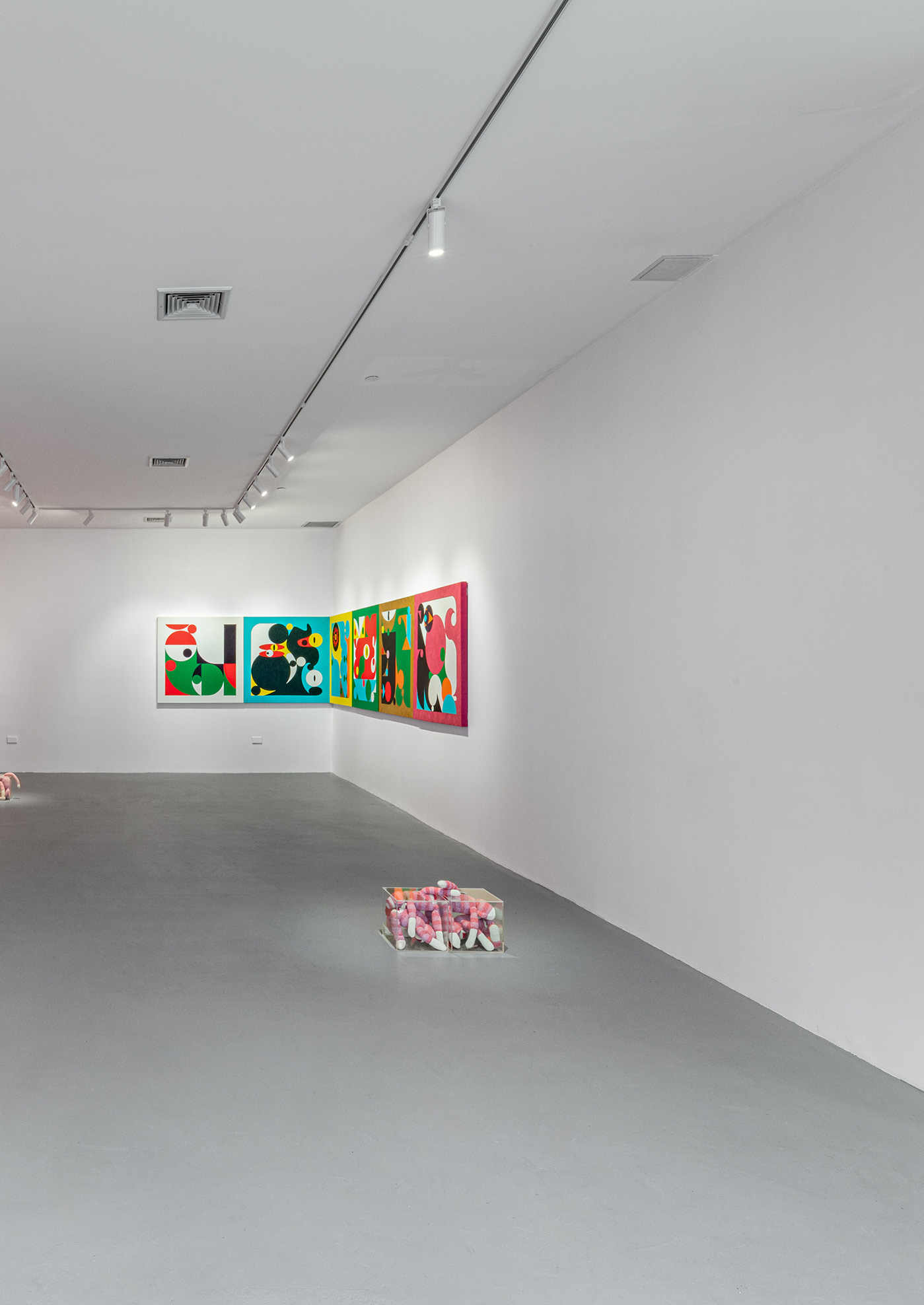
Alexandra Goldman (AG): Good evening and welcome to Barro. Tonight, we are excited for the seventh edition of our conversation series “Tertulias with Rosé,” accompanying the exhibition “Manifesto of Immature Abstraction” by Ad Minoliti and Catalina Schliebener Muñoz. The tertulia, a conversation in the style of 19th century salons in Spain and Latin America, has featured illustrious speakers such as Nicolás Guagnini and Margot Norton. We are thrilled to have José Luis Falconi for our discussion ‘On Immaturity (as a Mature Concept)’ in dialogue with our host, artist and writer Dr. Syd Krochmalny. This discussion, which bridges art, literature, and politics, promises insightful perspectives on immaturity in the art of the Río de la Plata.
José Falconi (JF): How about we dim the lights? Maybe a slightly more romantic atmosphere to start with. This is because we are about to immerse ourselves in a series of images that, I believe, Syd has curated in dialogue with me and our previous conversations, focusing on the theme we are about to explore. When referring to “immaturity,” we address this concept to a certain extent but also consider it from the perspective of infantilism, or any other term that better describes this particular phase of immaturity we are discussing. We believe it is fundamental to revisit this concept, especially because, in the context of Latin America —and not only in the Río de la Plata but across the region— it has been persistently used as a label denoting immaturity. Historically, since the 19th century, it has been used to describe the region as incapable of self-governance. For example, Bolívar referred to New Granada as a place incapable of self-government; San Martín sought a monarch for Peru due to the perceived inability of Peruvians to govern themselves. This idea has become a cliché, suggesting a perpetually immature society incapable of self-governance.
Recently, reflecting on the memoirs of Fernando Henrique Cardoso, former president of Brazil, I came across a peculiar metaphor: he compared Brazil to a handsome but irresponsible youth, incapable of keeping promises or jobs, exemplifying immaturity.
This analogy resonates with the vision of Latin America, and particularly Argentina, as immature societies, incapable of self-governance, which is reflected in problems such as inflation and decades of economic stagnation. However, we want to rethink this cliché to explore, in depth, the meaning of ‘immaturity.’ We seek to understand how artists have used the concept of immaturity not as a state of paralysis or decline but as an opportunity for immense potential, precisely because things are still in the process of being defined.
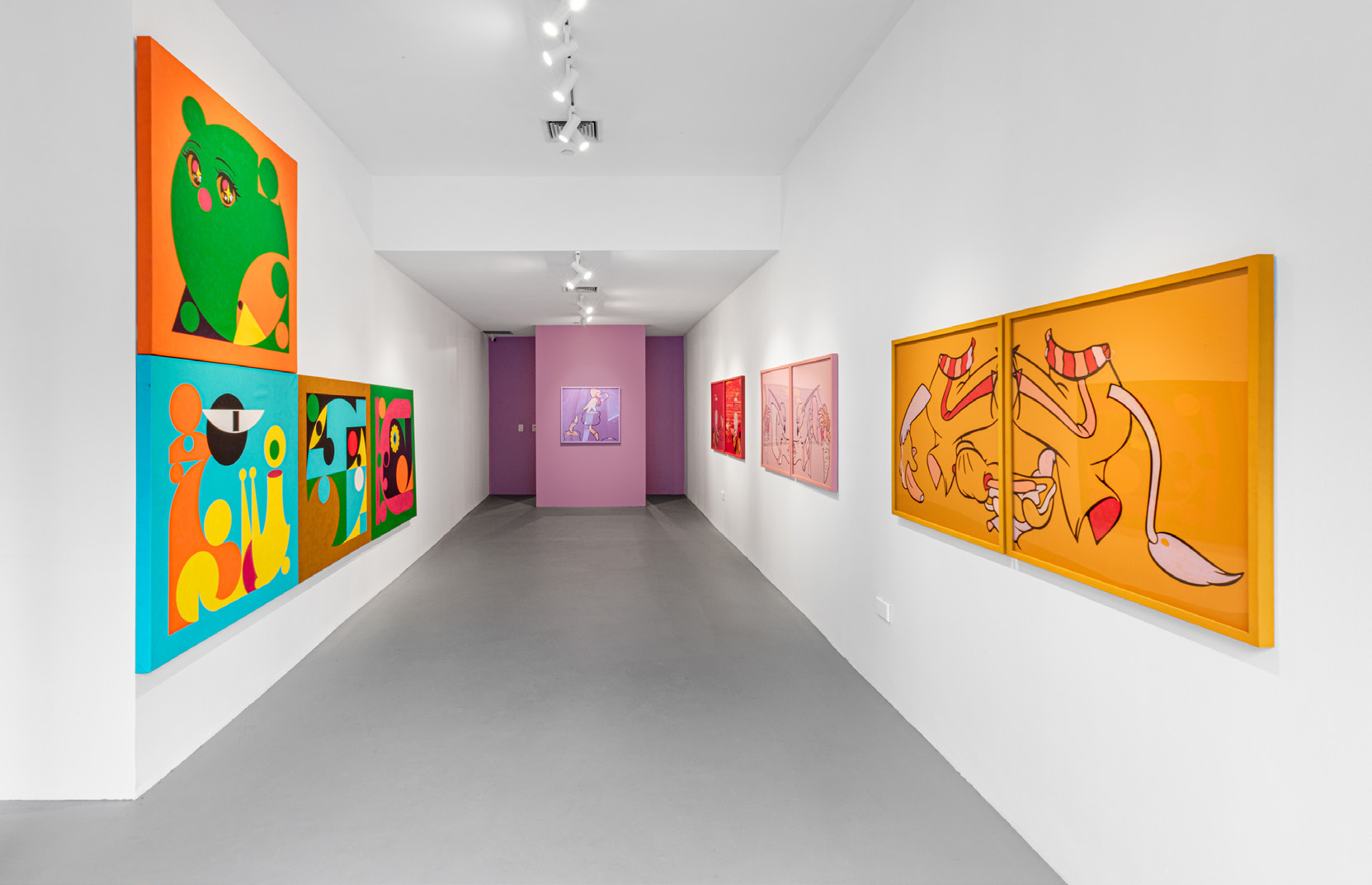
This scenario of potentiality, where everything is yet to happen, is particularly interesting. Artists, through their work, challenge and transgress, taking advantage of the state of immaturity as a space for possibility and change. A clear example is the work of Minoliti, whose art I have followed for years. Through their art, Minoliti explores and transgresses norms, using “immaturity” not as a flaw but as a phase of exploration and limitless potential. Thus, instead of perceiving immaturity as a limitation, we consider it a rich space for transgression and innovation, challenging the conventional notion of normality and proposing a new way to understand our environment and ourselves.
Syd Krochmalny (SK): I will address two perspectives on immaturity: a positive one and a negative one. As José pointed out, the negative sense comes largely from politics. It takes Europe’s age as the measure of maturity and calls the nations of the Americas young. Thus, labeling Latin American nation-states as “immature” suggests they are still developing countries, lacking a capitalist economy, culture, and politics. On the other hand, the positive perspective sees immaturity as a political strategy to challenge established hierarchies, redefine arbitrary relationships, and celebrate the diversity of life. That is, it is possible to argue immaturity from perspectives that value transgression, subversion, and the deconstruction of established social and political norms. That’s the sense in which Nicolás Cuello and I use the word in this exhibition of work by Ad Minoliti and Catalina Schliebener Muñoz.
In literature, there are two visions of immaturity and childhood. César Aira represents the negative idea of immaturity. The world of childhood is the entire world, according to César Aira, full of language. Aira argues that it does not occur to a child that they might not be understood because their world is occupied by themselves, and this occupation is their language. In contrast, art has a drive towards the incomprehensible, being the first function of art to alienate, break the habits of perception, and make the old new again.
This is different from the child for whom the world is transparent, and there is nothing strange for them. Art is a misunderstanding that is never resolved because it is its destiny, and to resolve it, one must go back, and it is known that outside of fiction, one does not return to the past. The destiny of misunderstanding is just the opposite: to advance time. The child lives in the understood, the adult in the misunderstanding, but according to Aira, “there should be something more than those two old biological and social stages. Perhaps there is, and I would name it new.”
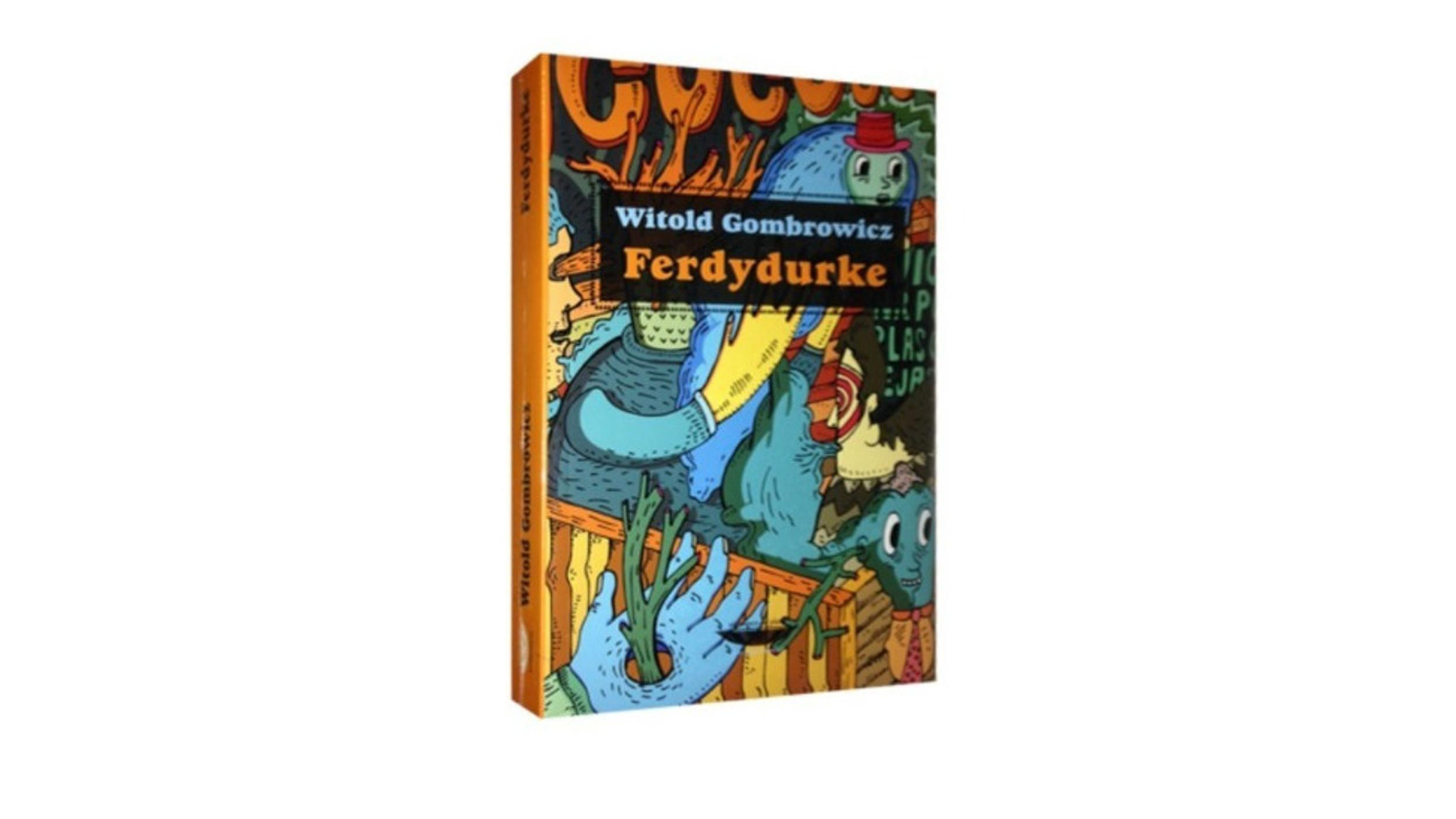
Witold Gombrowicz, a Polish writer who emigrated to Argentina, offers a positive vision of immaturity. In his 1933 work, “Memories of the Period of Immaturity,” later renamed “Bacacay,” Gombrowicz explores immaturity with a personal and observational approach. “Ferdydurke”, another one of his novels, also delves into this theme, narrating the regression of an adult to childhood to question the process of maturation and the true meaning of being an adult. Through these works, Gombrowicz suggests that immaturity can be a strategy to challenge the established order, offering a satirical critique of how society and its structures impose arbitrary roles and expectations, thus fostering a space for self-exploration and social critique.

Reflecting on Argentine literature, in our genealogy of immaturity, we see how Roberto Arlt in “The Rabid Toy” and Julio Cortázar in “Hopscotch,” as well as in “Fantomas against the Multinational Vampires,” intertwine literature with elements of comics. These works not only innovate in the narrative field but also present immaturity as a political strategy. Argentine comics, in the same way, construct and reflect these strategies, showing the deep interconnection between literature, art, and political discourses.
The influence of comics in Argentina is significant, not only as a prominent cultural manifestation but also as a field of theoretical and artistic study. Oscar Masotta, a key intellectual in Argentine art, not only pioneered conceptual art through mass media art in 1966 but also introduced Lacanian psychoanalysis into the Spanish language in the early ‘70s. Furthermore, he explored the impact of comics on modern culture, evidencing the deep connection between this art form and Argentine society.
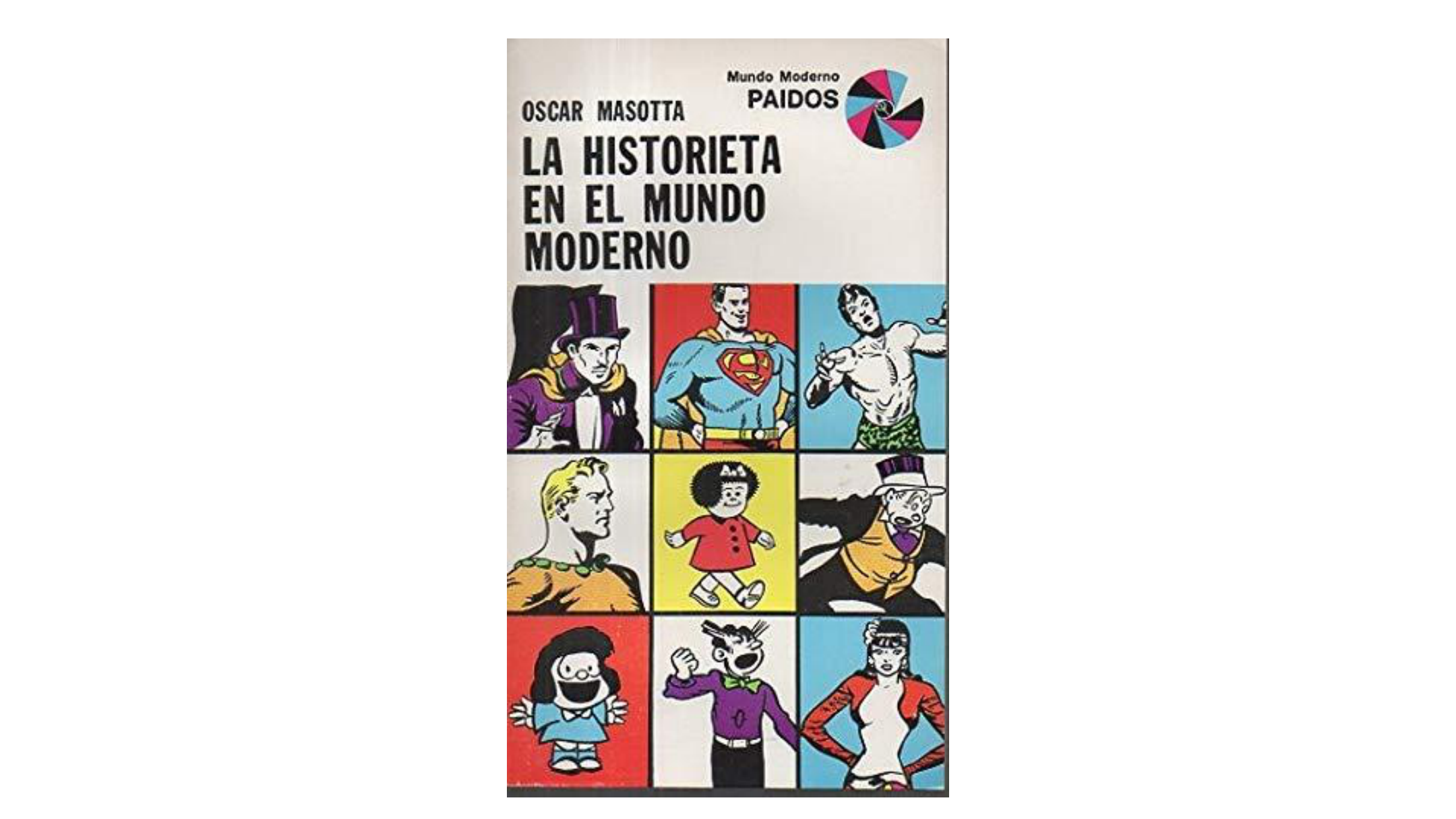
A hypothesis of aesthetic and political infantilism in the art of the Río de la Plata could be interpreted because Argentina stands out for its rich tradition in the world of comics, exemplified by creators like Dante Quinterno with “Patoruzú,” whose influence transcended to Europe, inspiring even the creation of characters like Asterix and Obelix.
This profound tradition has been significant for Argentine culture. Likewise, Quino, known for his iconic character Mafalda, has left an indelible mark both in Argentina and internationally, through his work that reflects social and political criticisms with humor and wit, standing out in magazines of the ‘70s.
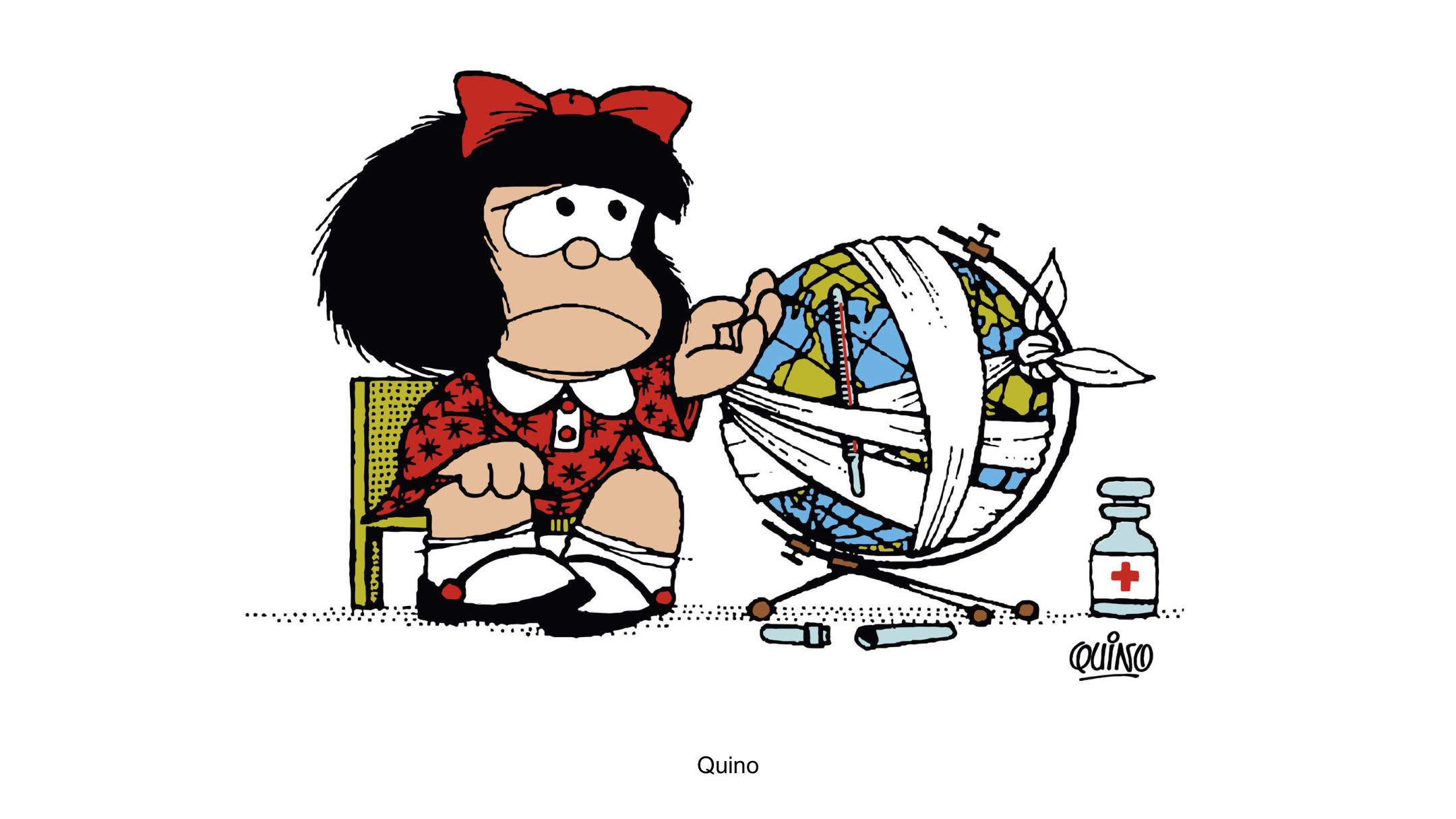
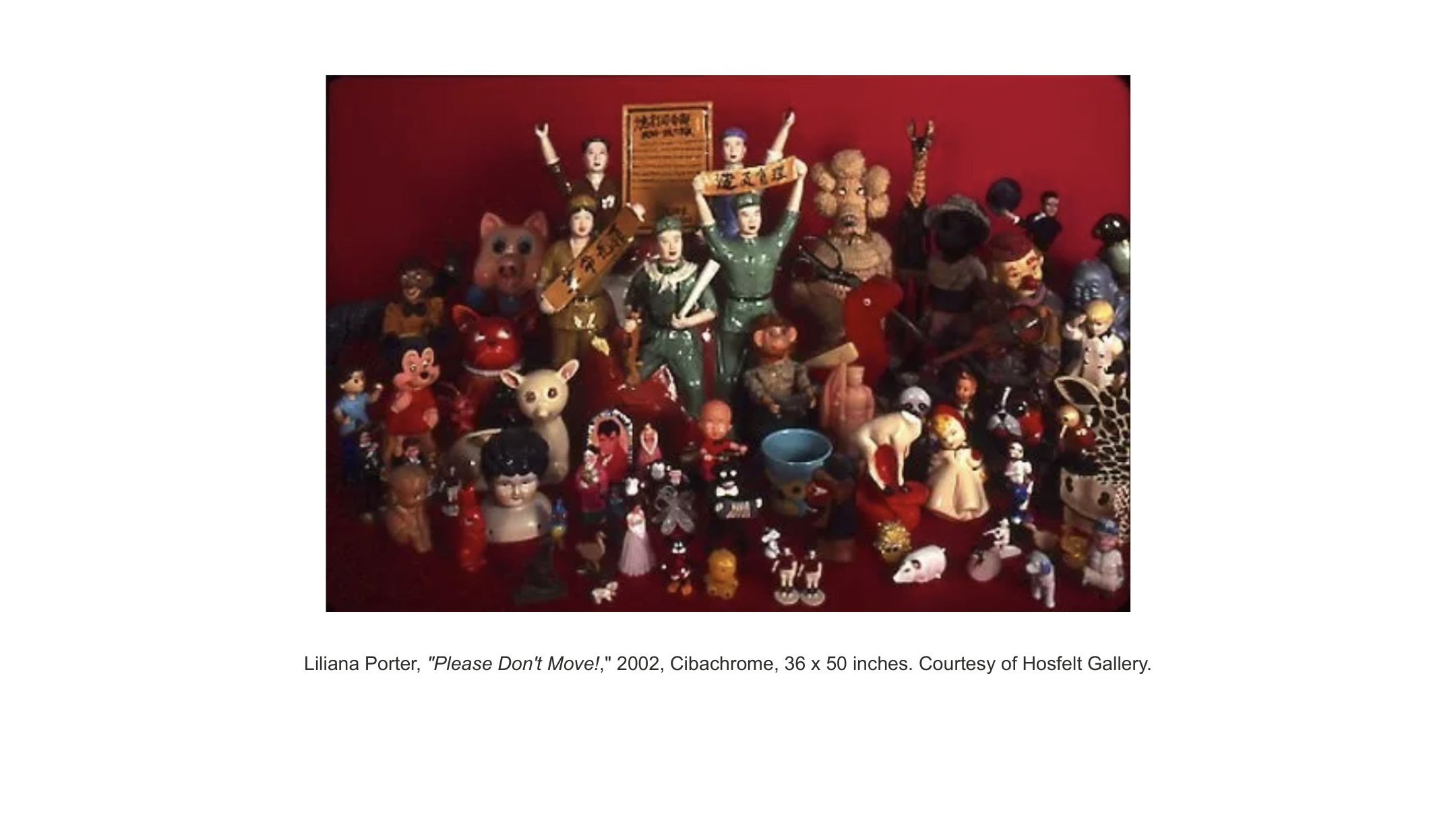
Finally, I would say that immaturity and infantilism are traditions in Argentine art, represented by figures like Liliana Porter, Marcelo Pombo, Fernanda Laguna, and Ad Minoliti. I am interested in José Falconi’s opinion on how infantilism impacts Argentine art.
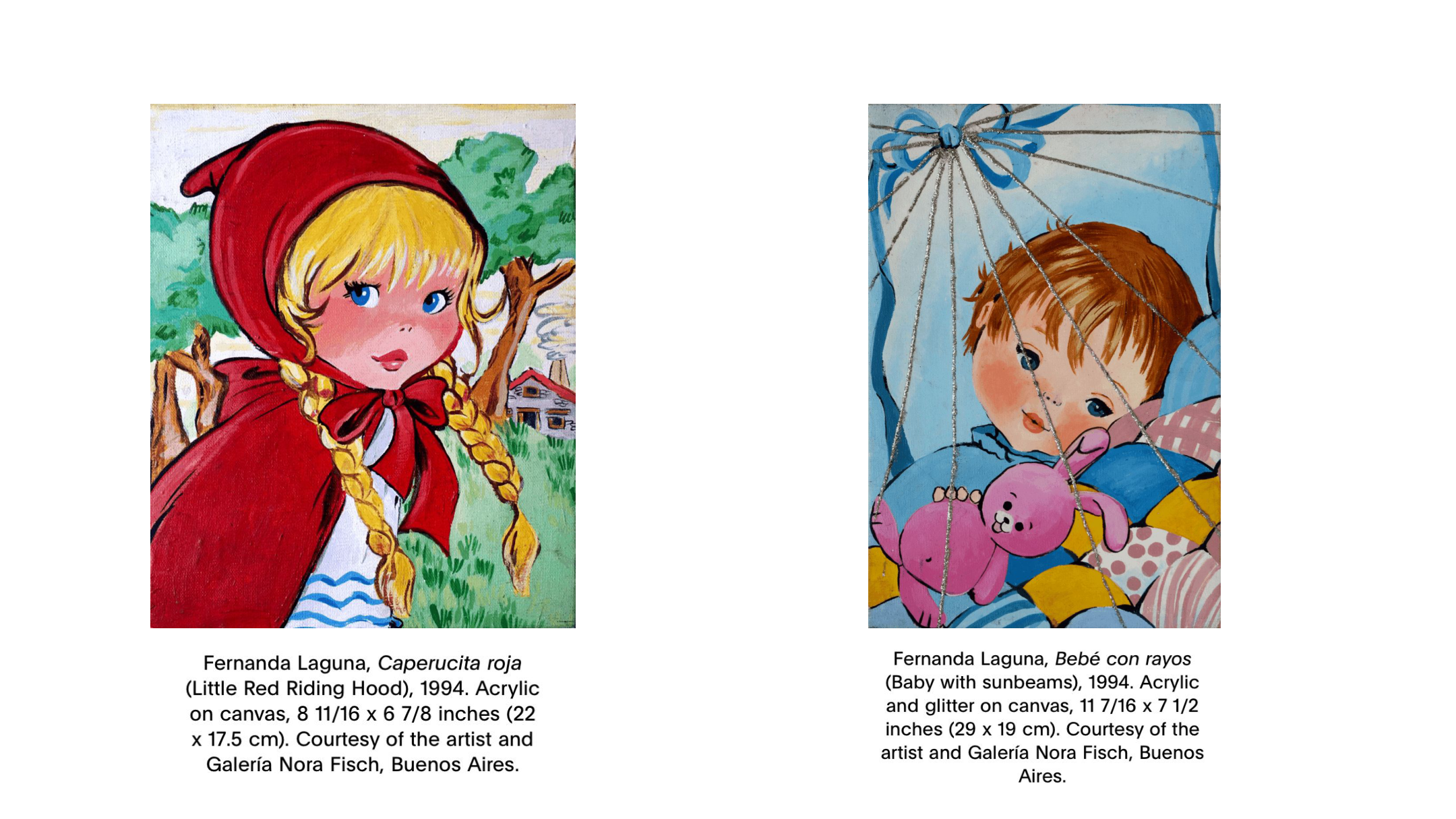
(JF): Previously, I was reflecting on how ‘Ferdydurke’ positions itself regarding immaturity, describing it not just as a way of acting but also as a state of latency. This contrasts with the concept of the bildungsroman, which emphasizes personal growth and development. Everyone knows what a bildungsroman is: it’s a novel that teaches how to be, what to do, it’s the essential novel about how to behave when you’re an adult. Like those really bad novels by Herman Hesse, I think of those novels about coming of age, you need to learn from those novels to become an adult. These novels challenge conventional expectations; they represent a form of art that directly opposes traditional standards. This is something that tries to sustain and maintain a moment that does not push you towards that moment of becoming an adult. If you think about the long adolescence of American men today, The Hangover is the movie that represents it, almost a bildungsroman, it shows how, after a night of drinking, they learn to be adults. The central idea suggests that it might be the last time they feel like teenagers before crossing into adulthood. However, this contrasts with what we observe in ‘Ferdydurke’ and in the works of Liliana Porter, where there is a proposal to suspend this transition to maturity, opting to keep us in a grand childhood. This choice opens the door to transgression and a disinhibition in front of established sexual norms. There is a wide margin for exploration and questioning, moving away from being merely ‘big babies’ to breaking new ground. This is an ongoing exploration, which I find unique and interesting. Looking at Liliana’s work from the beginning, it was clear to me that there was a programmatic focus in her work. Liliana was the pioneer for me, followed by Pombo and Laguna, each bringing clarity to this approach. I wonder what is happening here; it seems like everyone is partaking in a bright ‘Kool-Aid’ that opens spaces in a specific way. These spaces, generated through a style of tactical, precise, and controlled immaturity, are an effect of opening up to freedom. This approach goes against the bildungsroman and conventions, inviting stories of how not to adhere to established norms.
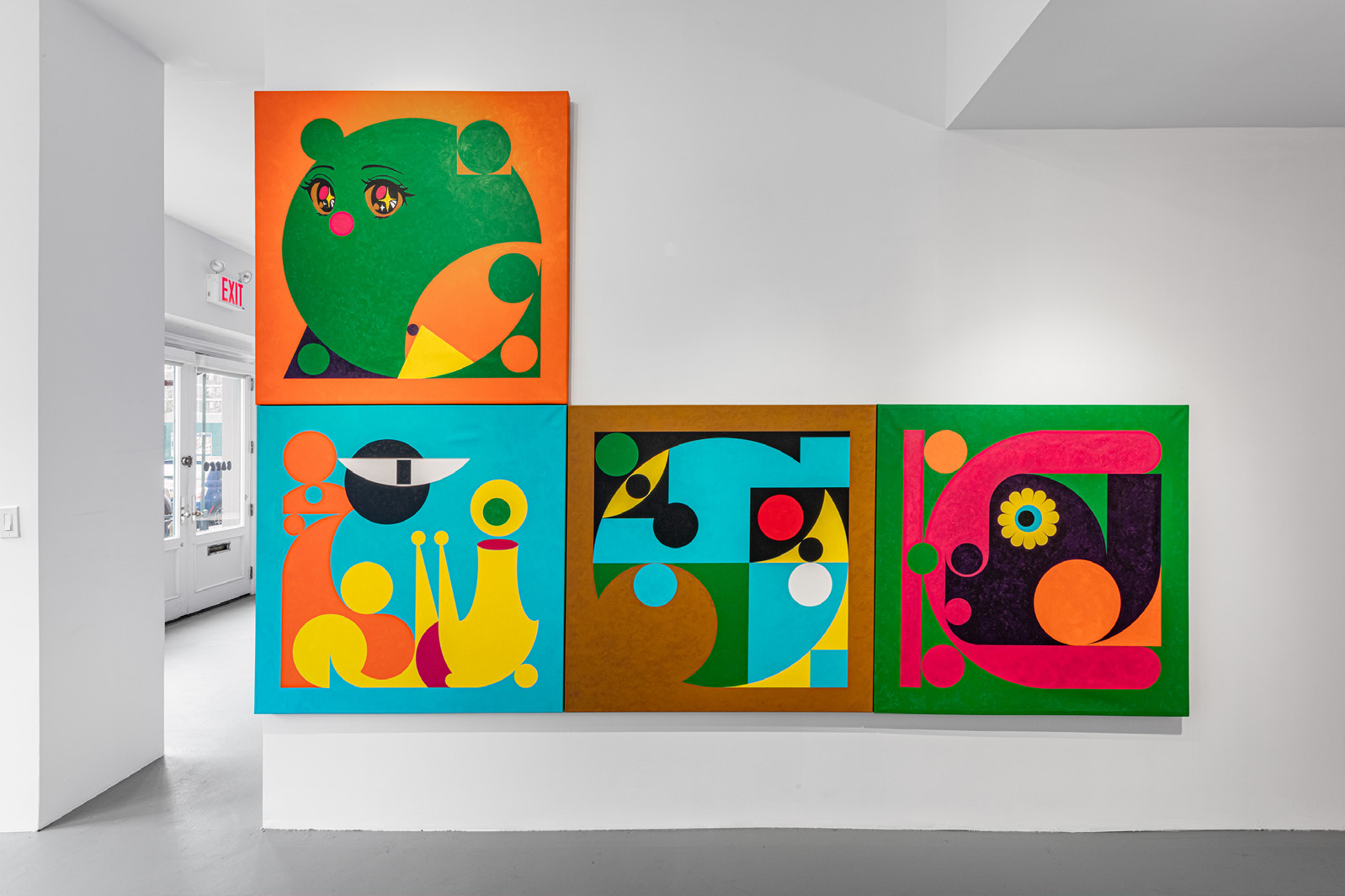
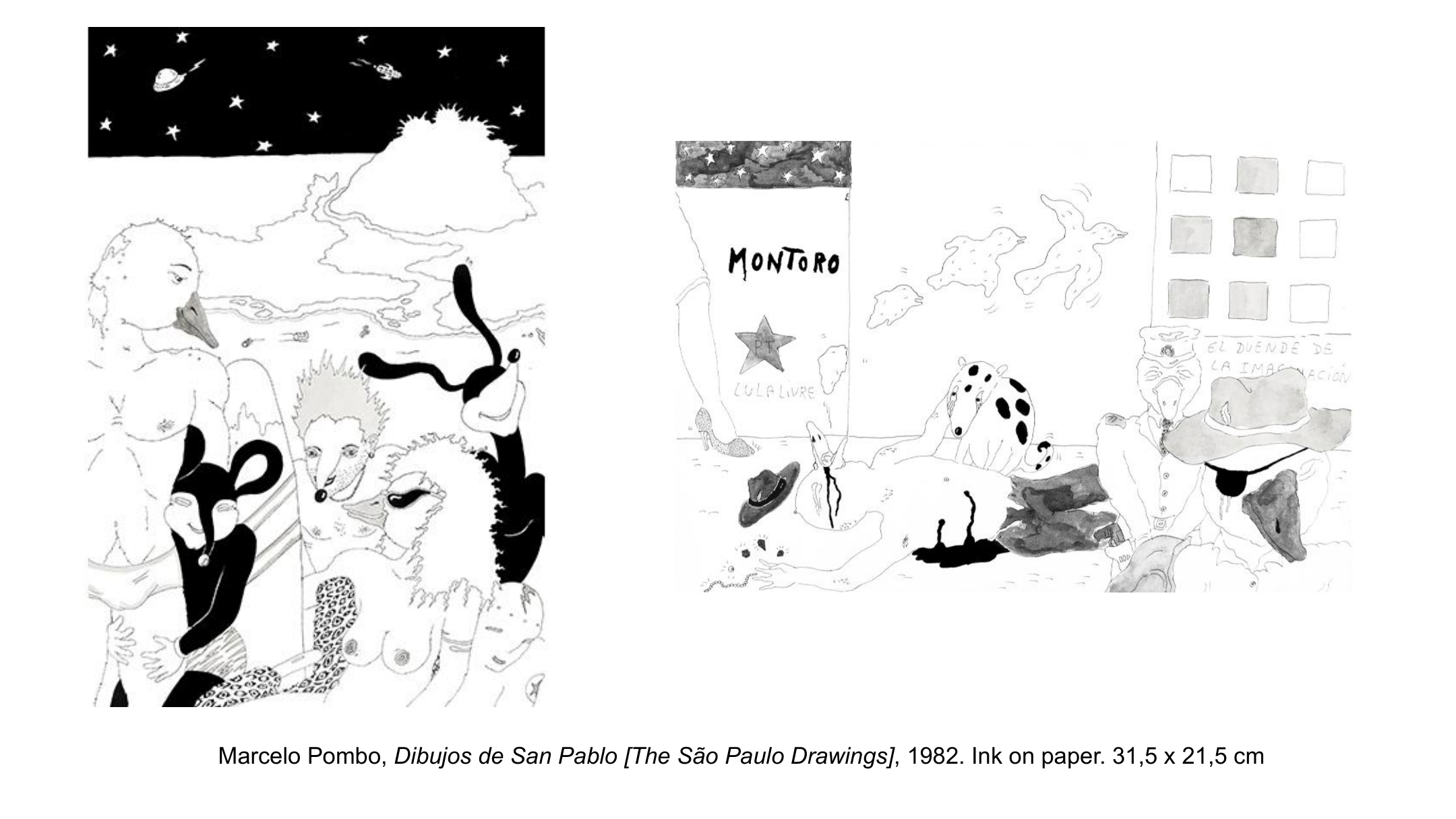
(SK): In the work of Ad Minoliti and Catalina Muñoz, a queer approach to immaturity stands out, which is also intertwined with Crip Theory (critical disability studies). This is something we can also find in Marcelo Pombo. Though in Minoliti and Schliebener Muñoz there is something more akin to cryptic queerness, which makes it not obvious. This connection delves into how the diversity of bodies and experiences challenges conventional norms, offering a unique perspective in the representation of the immature and the atypical within society.
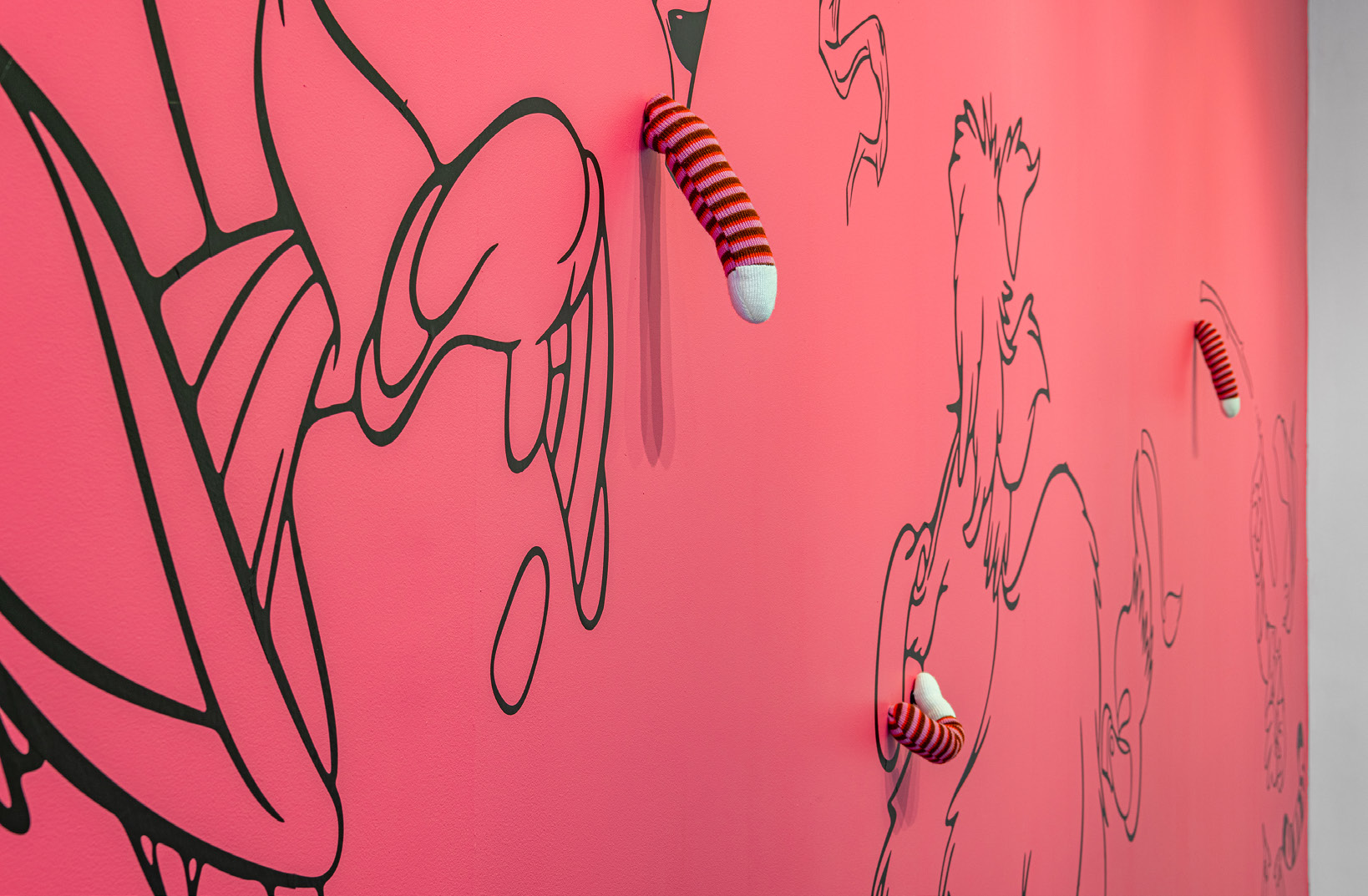
(JF): There’s something to be said about that. Definitely, it’s intriguing. Yes, indeed, it’s strange. Perfectly. What is that? I have no idea, but what I do know is that I like it. Here there’s a mobilization of elements that evoke a certain tenderness, a clarity that we can observe in the work of various artists. This use of tenderness is aimed at a specific audience. And then there’s the idea of the “cute,” which implies an action of provoking and then retracting, which is also noteworthy.
(SK): That “cute” thing you mention is also a cryptic strategy, because this exhibition is talking about things about which perhaps can’t be openly discussed. It’s about sexuality, childhood, topics that are very hard to tackle in America today. But this is clear, we don’t have a problem to, you know, see clearly here.
(JF): There’s a lot going on there. I’m not going to detail everything; we know what’s happening. But it has its charm, like seeing Hello Kitty in action, which, due to its tenderness, confronts us with an internal conflict. It’s opening up the stage very cleverly, avoiding falling into censorship while at the same time allowing for diverse interpretations and opening multiple spaces instead of confining to a single straightforward reading. For me, being in a state of immaturity, as I mentioned, can be a very fruitful place.
Half of us are Latin Americans here, and there are reasons why we are here; immaturity is disastrous, especially when it comes to the governance of our countries. Many of us are economic exiles because our countries cannot sustain us, or because we cannot subsist there. That’s the harsh reality, we are testimony to the courage this entails, and it’s terrible. But we also seek to see the positive side of all this.
The good might be that opportunity to explore immaturity not as a flaw, but as a space of freedom. Why do I need to “mature” if that’s actually going to limit me? In communities like this, it wouldn’t be beneficial. I aspire to be a militant of immaturity, leaving things unresolved to live fully. That allows me to exist and show my work in a gallery, which is beautiful. Otherwise, I wouldn’t have a place in the world if everything boiled down to “maturity.”
This is what we want to rescue. What I just mentioned is just a start; we want to explore more ideas and possibilities. I’ve been a big fan of Minoliti’s work, following their art for years. I’ve always been impressed by how they manage to make their art seem simple, yet it actually hides a deep complexity and strategy, similar to that of many Argentine artists from the 90s. There’s so much to unpack and open up. It’s from this strategy that we want to start. I’d like to hear your reactions, what do you think? Who wants to share their perspective first?
(SK): I want to highlight something important: in Argentine poetry of the 90s, immaturity emerges as a distinctive element of the movement. I think of works by Cecilia Pavón and Marina Mariasch, who prominently incorporate this theme. Next, I will share a text by Marina Mariasch to illustrate this point:
A NOTA FOR BENE: First of all, I would like to thank the institutions that have made it possible for this book to become a reality. Firstly, the National University of Babies, which has provided me with all its support during the more than four years it has taken me to recognize the harsh reality that involves realizing that my children will eventually become adults. The UNBB allowed me, with its unconditional support, to research and above all to fight against that historical fact that presented itself as a fatality to me, revealing the possibility of babyfying them more than ever since, as we repeat ad nauseam, BIOLOGY IS NOT DESTINY.
Thanks to all the theoretical framework that supported this research for years even before I began it. Firstly, to the Teletubbies, to Snoopy and his friends, to the Care Bears. Special thanks to Kitty, Adventure Time, and to the egg.
We must confess that the title of this talk could have been “Infantilism in the Río de la Plata”.
(JF): It might be an exaggeration to say this, but as someone who is not from there, I felt that I would be symbolically expelled from Argentina. What do you think?
Audience 1: I believe there is a distinction between infantilism and immaturity, focusing especially on infantilism. I reflect on that tenderness and sweetness you mention, often linked to the heteronormative world. It’s common for men to infantilize women, attributing qualities such as tenderness or sympathy to them, perhaps based on the belief that women naturally embody these characteristics.
This leads me to think about the harmful idea of masculinity that demands men to be tough and strong, rejecting any display of tenderness. I observe this tendency within heteronormative dynamics, where not always, but often, men treat women condescendingly, as if they were less capable.
(SK): Like Vladimir Nabokov’s “Lolita”.
Audience 1: Yes...
(SK): “Death in Venice” by Thomas Mann.
(JF): Yes, there is definitely something there. It’s an interesting point. There is a notable difference between immaturity and infantilism, and it’s a topic I would like to explore further. We need to specify and delve deeper into this distinction.

(SK): Immaturity refers to the lack of development or experience necessary to face adult responsibilities, while infantilism involves the display of childhood behaviors in adults.
Audience 1: Reflecting on these positions within the patriarchal norm made me reconsider immaturity in a more powerful way than the simple idea of children as immature beings. Perhaps they are in a position to have to obey, but even childlike immaturity can be a form of controlled and effective rebellion. That’s more or less where the conversation was taking me, exploring the various ways in which immaturity can be a tool for transformation, subversion, and organization. There’s a sense of empowerment in it.
Audience 2: Can I ask something? Something that strikes me that we hear a lot in culture, especially in artistic culture. How dangerous is it to be different in our society? It seems there are certain rules on how to be seen in the art society. Is it more dangerous not to be seen at all, or to be seen in a way that challenges social expectations? Is it dangerous?
(JF): Well, I don’t think it’s as dangerous as it’s thought to be. I could answer that in two different ways. Latin America is very diverse and has its own dynamics. Cities tend to be quite safe in general, like Mexico City, Buenos Aires, Santiago, Lima, Bogotá. These are spaces where artists, the LGBTQ+ community, and dissidents in general are usually quite open and accepted. However, outside of the main cities, especially in provinces and rural areas, the situation can be more complicated. In short, safety and acceptance vary depending on the place and context.
Audience 1: It makes me reflect on this complex and ambiguous area where we can bring all these seemingly immature aspects into a form of maturity, don’t you think? The way art catalyzes these elements, although not necessarily childlike, and brings them to life in a way that at the same time promotes a maturation process, right?
(JF): Yes, I feel they are being instrumentalized.
Audience 1: Exactly, exactly. When I observe these images, I see this mix of tenderness and sophistication, this careful orchestration that reveals maturity in them.
(JF): Totally agree. They are being choreographed and orchestrated in a precise and careful manner. That’s part of their beauty.
Audience 1: Exactly, that’s the beauty of it.
Audience 3: I want to add something more. I really like your initial conceptual framework and the notion of cryptic infantilism. It reminds me of Simondon and his idea of the pre-individual, and how it relates to individuation and subjectivation according to Foucault. However, for me, this artwork is more unsettling than kind. It’s about the disruption of childhood where these elements interrupt and fragment the possibility of childhood.
(JF): I understand your perspective. We are talking about two different artists here.
Audience 3: Exactly, but for me, Minoliti’s work is about cubism but in a psychedelic context.
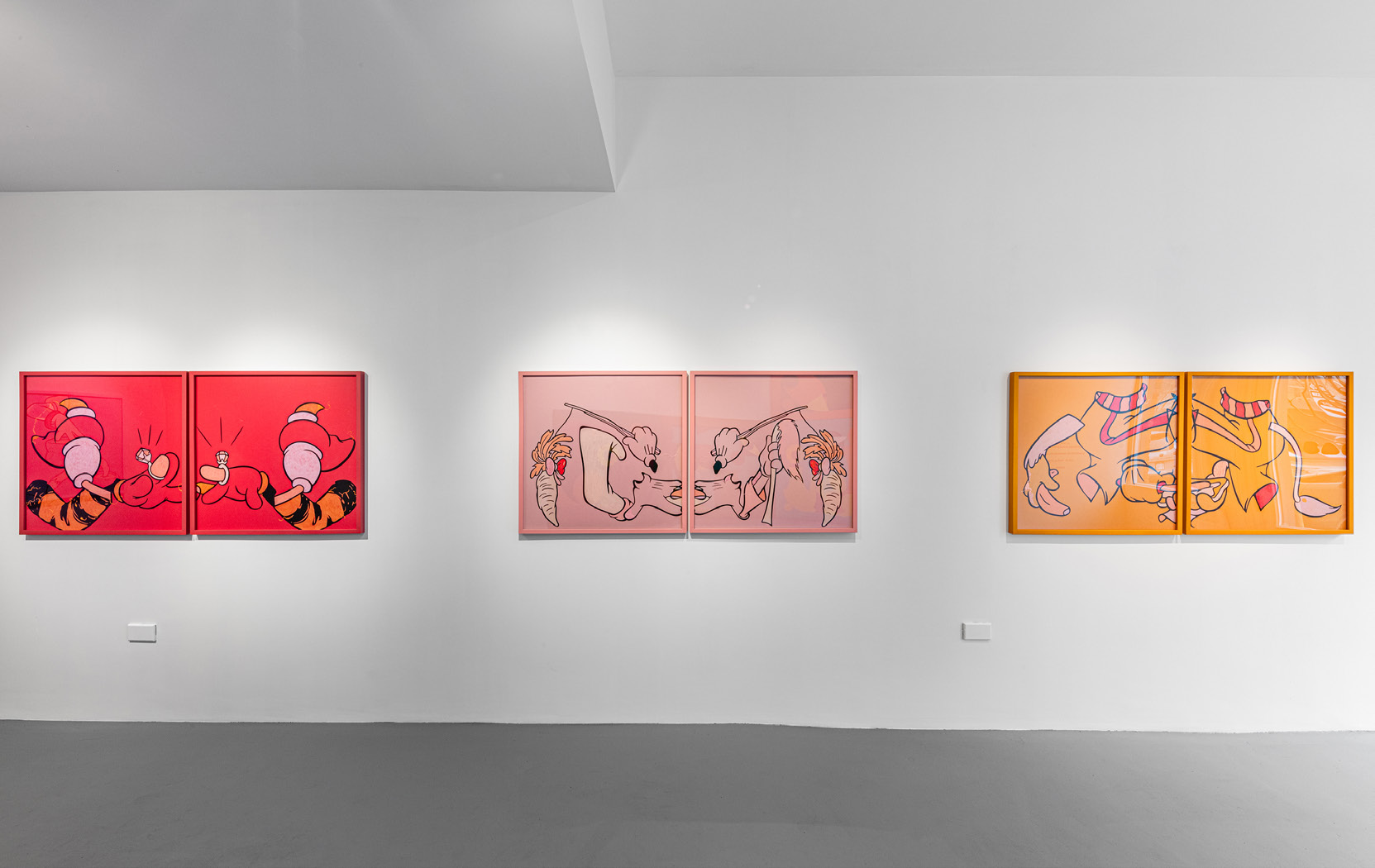
(JF): So, we agree then that there are two different strategies?
Audience 3: Totally agree, but I think we should consider Schliebener-Muñoz’s work and their focus on the fragmentation of childhood.
(JF): I agree with you on that point where the work has multiple layers that prevent a superficial interpretation. Although it may appear tender superficially, from a psychoanalytical perspective, it represents the disruption of childhood in a powerful way.
(SK): It’s a monstrosity.
Audience 3: Exactly, that’s how it is.
(SK): The first time I saw Catalina Schliebener Muñoz’s project at the Queens Museum, I felt uncomfortable. It was a strange experience, as if my brain was struggling to understand the image in front of me. It’s like you’re facing a Rorschach test.
(JF): It’s as if the work challenges our capacity for understanding and leads us to reflect more deeply on it.
(SK): Exactly, it’s a very revealing experience.
(JF): What do you all think about this? We’d love to hear more opinions.
(SK): If someone feels shy to speak, we can break the ice with a few drinks!
(JF): Or we can simply point to someone in the room and ask for their opinion!
(SK): Exactly! Silences are also welcome!
(JF): Right, the conversation flows better when everyone participates. Does anyone have anything else to add?
Audience 1: Do the artists, like, feel close or far from this idea you mentioned of immature abstraction?
(SK): Close.
Audience 1: Is it a self-identified political position, or is it a collective movement?
(SK): The exhibition has this idea of a manifesto. But we should probably ask them.
Audience 3: For me, it was really revealing to see this as a matter of regression, rather than just a simple issue, I perceive it as a neurological phenomenon. Essentially, it’s a question of interaction between top-down and bottom-up thinking, navigating from the abstract to the notion of liberation. I mean, for example, the effect of certain substances, like the abstraction caused by MDMA, or how this relates to cubism. I mention it because MDMA acts by releasing the frontal cortex and inhibiting the brain’s executive function, allowing the more primal consciousness of the brain stem to manifest. Thus, I see this from a quite different perspective, focusing on the suppression of the frontal cortex and the emergence of the brain’s more primitive processes. Every time I contemplate this work, my appreciation for it grows; it’s truly fascinating.

(JF): A question I have for you, Syd, is about how you organized Minoliti’s works. I’m interested in the sequencing criterion, as this provides an interpretation in itself. What was the reasoning behind their arrangement, and in particular, why did you choose the corner?
(SK): We adopted a specific way of arranging the canvases in the gallery as Ad Minoliti usually does, and it was clear that it had to be that way. The truth is we didn’t think too much about it; I acted intuitively regarding the order, almost as a child would. At least that was the case in the large room. On the other hand, for the small room, we gave it more thought. Ad had a brilliant idea of playing with the architecture transforming the space into something that resembles a Tetris piece.
(JF): “Playful.”
(AG): That actually leads me to what I was going to say, this conversation was very mature.
(JF): Very mature? Yes.
(AG): And I wonder what would be the value of talking about immature abstraction in an immature way.
(JF): We’re trying to approach an idea from a logical perspective but in an illogical way, trying to deviate from the beaten path to adopt a more open and flexible attitude. We are in the early phases of developing a still immature concept, but with significant political potential. We aim to question the stereotypes about the self-governance capacity of Latin American countries, often treated as if they were underage. With Syd, we seek to broaden this vision.
We focus especially on a tradition from Argentina that we find particularly relevant. We want to clarify that our analysis does not extend to the entire world but focuses on this specific context. This external perspective gives us the opportunity to explore new ideas. Many artists have used this technique of openness towards novelty, something that requires a very sophisticated strategy. Ad Minoliti, for example, has achieved this exceptionally; their work is both playful and refined. It brings to mind the energy of a Celia Cruz song: it has an irresistible charm that fully captures your attention.
Analyzing their work, I was struck by the diversity of pieces. Although they were not large in scale, together they formed an unforgettable experience. It’s as if the work invites you to look closely, to participate in its game. It has that playful and attractive quality, similar to a child showing their drawing waiting for approval. It’s truly fascinating, and I believe you’ve captured that essence exceptionally well.
So, I’d like to know your opinion. Do you prefer a more or less playful approach? More or less illogical? That is, what do you think?

Audience 1: We’ve noticed that, far from evading politics, we’ve delved deeply into it, exploring themes from a broad perspective that encompasses economics, psychology, and social theory. It’s ironic, especially when we seek to embrace the illogical and the absurd.
(SK): Exactly, it’s as if we’re trying to master the existing power axes, but without really being able to escape from them.
(JF): Precisely. My research approach seeks to open spaces for unheard voices. Although I agree on the importance of being aware of the axes of power, I also see value in questioning them through what could be considered silly or illogical behaviors.
Audience 2: This makes me think that adopting silliness can be a strategy to navigate and challenge power structures. By not following the established norms, we can find gaps to explore and overcome these structures in a unique way.
(JF): Absolutely, that vulnerability that arises from behaving unconventionally allows us to reveal and explore aspects that would otherwise remain hidden.
Audience 1: Silliness makes us vulnerable, yes, but it also liberates us to show parts of ourselves that traditional political and social structures force us to hide. It allows us to be genuinely creative and imaginative.
(JF): That’s right. I’m looking into how these forms of abstraction can lead to new ways of imagining and creating, freeing us from conventional restrictions.
(SK): Totally agree. It’s a form of liberation that opens up endless possibilities.
Audience 3: By being silly or illogical, we break the chains of conventional expectations, allowing us to explore new ways of living and understanding the world, all outside the limitations imposed by the existing social order.

About the participants
Biographical notes reproduced from the original publication. Institutional roles refer to the time of the conversation.
JOSÉ LUIS FALCONI, born in Lima in 1973, is a distinguished Professor of Art and Human Rights at the University of Connecticut and a renowned specialist in Latin American art and the importance of artistic interventions for social change and the advancement of human rights. He earned his Ph.D. from Harvard University in 2010, where he also completed postdoctoral studies under the supervision of Prof. Thomas Cummins. From 2001 to 2011, he served as the curator of the Art Forum at the David Rockefeller Center for Latin American Studies at Harvard, organizing more than thirty exhibitions of Latino and Latin American artists in an academic setting. His writings and curatorial work focus on the relationship between aesthetics and ethics, especially in the Latin American context, with publications in academic journals and by institutions such as the Museum of Modern Art and the Guggenheim Museum in New York. Falconi has taught at Brandeis University, Boston University, and the University of Connecticut, and has held positions as a visiting professor in Latin America, including the University of Chile and the National University of Colombia. Since 2015, he has chaired Cultural Agents, Inc., an organization that promotes the arts as resources for positive social change through its flagship program Pre-Texts©, implemented worldwide to improve literacy and foster civic consciousness. Falconi is a founding member of the Symbolic Reparations Research Project (SSRP), analyzing the use of art and aesthetic memorialization in the process of repair and public dialogue for social transformation, in accordance with international human rights standards. His recognition includes being named one of the “100 Most Important Latinos in New England” by El Planeta in 2010, and receiving the “Premio Orgullo Hispano” that same year.
SYD KROCHMALNY is a multidisciplinary artist, writer, researcher, curator, musician, and Professor of Arts, Literature, and Sociology. He completed his Postdoctoral Studies at Columbia University in New York City, and holds a Ph.D. in Social Sciences, a master’s degree in Communication and Culture, and a bachelor’s degree in Sociology from the University of Buenos Aires. Krochmalny’s multimedia work has been exhibited at the Reina Sofia Museum, Harvard University, David Rockefeller Center, the MALBA, the Americas Society, Cultural Center of Memory Haroldo Conti, Remembrance Park, University of Oslo, Universidade Federal do Rio de Janeiro, MAC de Niteroi, Pinacoteca San Pablo, The University of Edinburgh, Museum of Contemporary Art in Buenos Aires, among others. Krochmalny has published several books, including “Journals of Hate” (2016), “Weak” (2017), “The Dreams” (2018), “The Size of My World” (2021), and “Ramona, Debates in the Art on the Edge of the Millennium” (2021). He has also written a prologue for“Crypto Currency and Sovereignty” (2022) and has been involved in magazine projects such as editor of Ramona, co-founder and editor of JenniferMagazine, and co-founder and editor of the CIA magazine (Center for Artistic Research). Krochmalny has received a fellowships by the ArgentinianResearch Council CONICET, and has served as a Professor and Researcher at various institutions including the Gino Germani Institute and the Institute of the Theory and History of Art Julio Payró at the University of Buenos Aires, The Latin American Council of Social Sciences (CLACSO), and the University of Avellaneda. Krochmalny has delivered lectures at universities such as Harvard University, Columbia University, New York University, Rutgers University, University of Oslo, Edinburgh University, Stirling University, and the Americas Society. In Buenos Aires, Krochmalny has played a vital role in the art education culture as a contributorto the Center for Artistic Research (CIA), nurturing many of Argentina’s most prominent artists.