Tertulias with Rosé is a series of public conversations created and hosted by Syd Krochmalny at Barro, New York. Starting with the exhibitions at the gallery, artists, curators and writers discuss art, politics, literature and the ways forms organize perception and collective life. The conversations were recorded, transcribed and edited for publication.
Conversation held on May 13, 2023.
The conversation

Syd Krochmalny (SK): Distinguished guests, good evening! Thank you all for joining us here at Barro Gallery for our fourth Tertulia. I'd like to extend a special thanks to Kerry Doran for gracing us with her presence and contributing to this engaging conversation series. These informal gatherings provide us with an opportunity to delve into the realms of art, politics, and literature, both within the context of our exhibitions and beyond.
Before we begin our discussion today, I'd like to introduce Warren Neidich, who was part of our previous Tertulia where we explored the themes of "noise" and "autopoiesis" in the context of our second group exhibition, OTHERING. Neidich's participation involved a captivating artistic intervention and insightful conversations with me.
Now, let's explore our main topic: the imaginaries, aesthetics, and political dimensions of art and activism in Buenos Aires and São Paulo during the 1980s and 1990s. Our conversation will encompass the vibrant art and cultural scene at the Rojas Cultural Center, where artists like Marcelo Pombo exhibited Argentina's most iconic queer art during the 1990s.
The underlying theoretical framework for today's discussion revolves around “Expanded Queerness”. The concept of "Expanded Queerness" builds upon the foundation of queerness by broadening its scope beyond sexual identity. While queerness, as an activist category, primarily addresses the oppression and erasure of sexual minorities and challenges normativity, expanded queerness goes a step further. It recognizes that forms of marginalization and resistance extend beyond sexual orientation alone.
Expanded queerness acknowledges that individuals can experience various intersecting forms of marginalization based on factors such as gender, race, ethnicity, class, ability, age, and more. It encompasses a broader understanding of diversity and inclusivity, recognizing that identities and experiences are complex and interconnected.“Expanded queerness" refers to everything that overflows the categorical, to what cannot be classified.
By embracing expanded queerness, we recognize that the struggles faced by marginalized communities are interconnected and intersecting. It encourages us to challenge not only cis-heteropatriarchy but also other systems of power and oppression that contribute to inequality and marginalization.
Moreover, expanded queerness promotes the importance of lived experiences and community-building. It recognizes that by sharing our stories and creating supportive communities, we can foster resilience and subvert normative modes of recognition. It encourages us to listen to and learn from different perspectives, amplifying the voices of those who have been historically marginalized.
Furthermore, expanded queerness extends to encompass humans, non-human animals, and even inanimate entities, including both subjects and objects. This inclusive conceptual framework allows for the recognition of "queer objects," "queer groups of objects," and "queer art," as well as acknowledging the queerness in various animal species and other life forms. It transcends mere sexual contexts, challenging and redefining traditional classifications and categories. Expanded queerness invites a broader understanding and embrace of diversity and inclusivity, recognizing and valuing the complex, often undefinable nature of various beings and objects in our world.
In summary, while queerness focuses on sexual identity and resistance to normativity, expanded queerness recognizes the intersectionality of marginalized experiences and seeks to create inclusive spaces that challenge multiple forms of oppression. It invites us to embrace difference, build communities, and work towards a more equitable and diverse society.
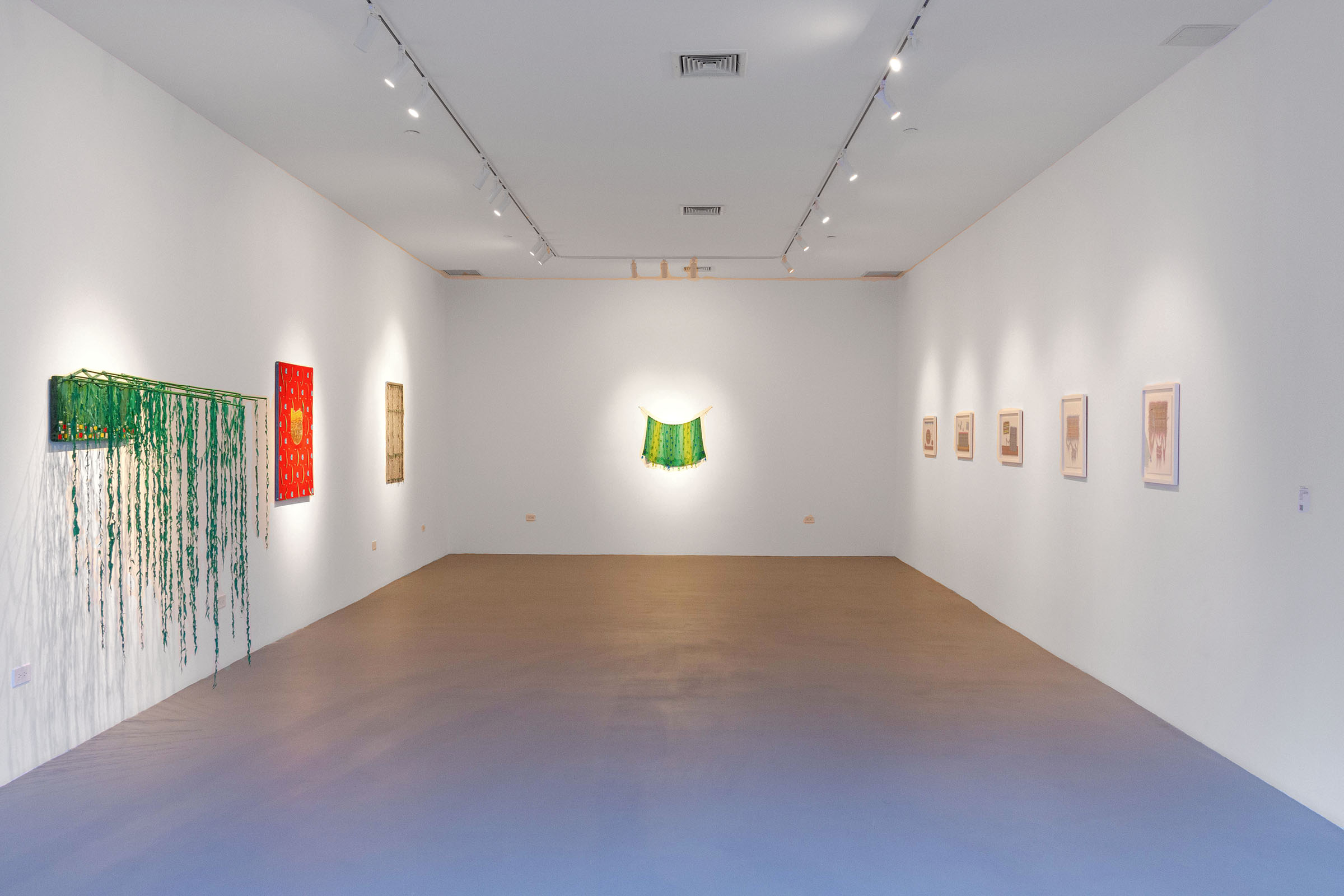
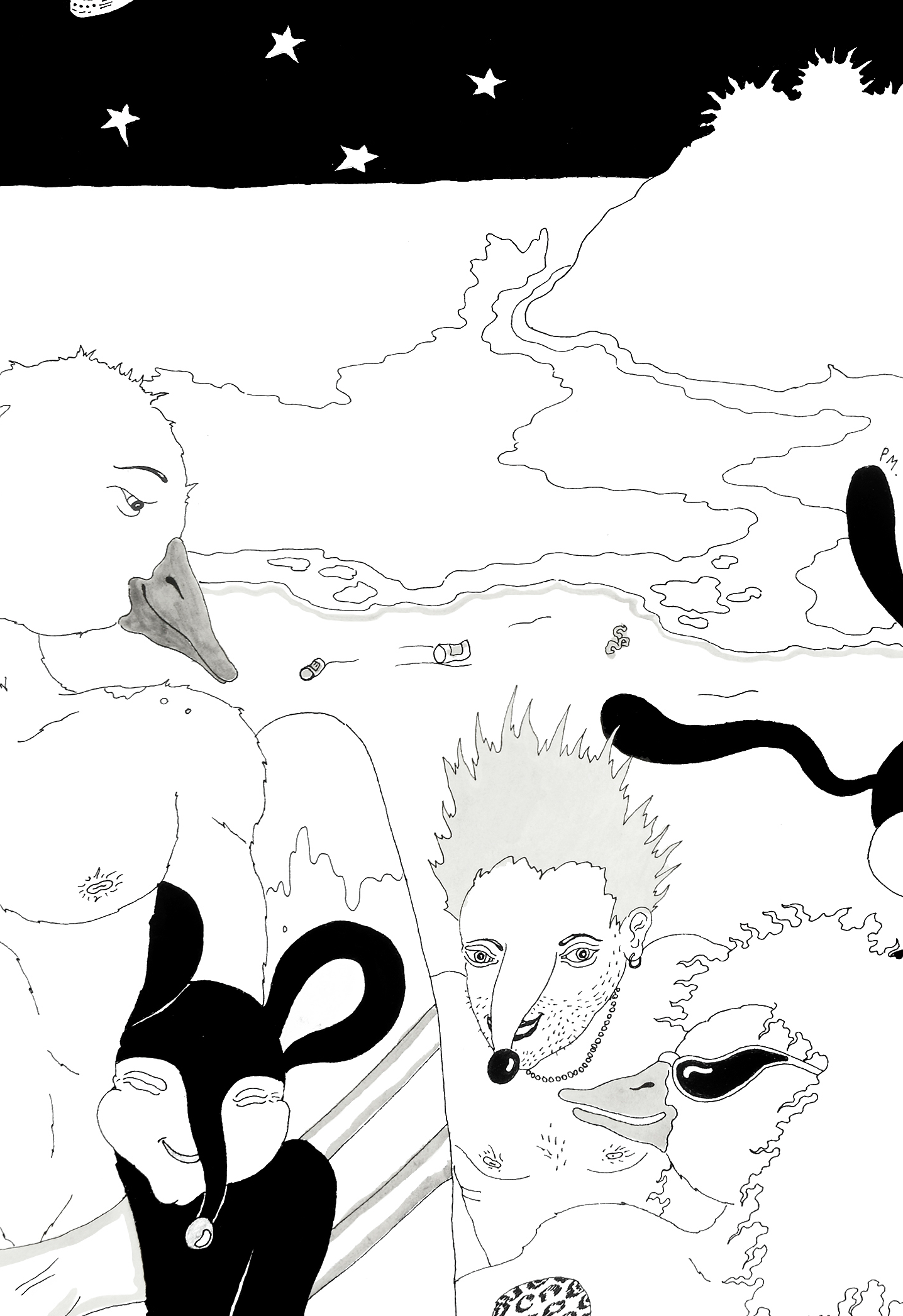
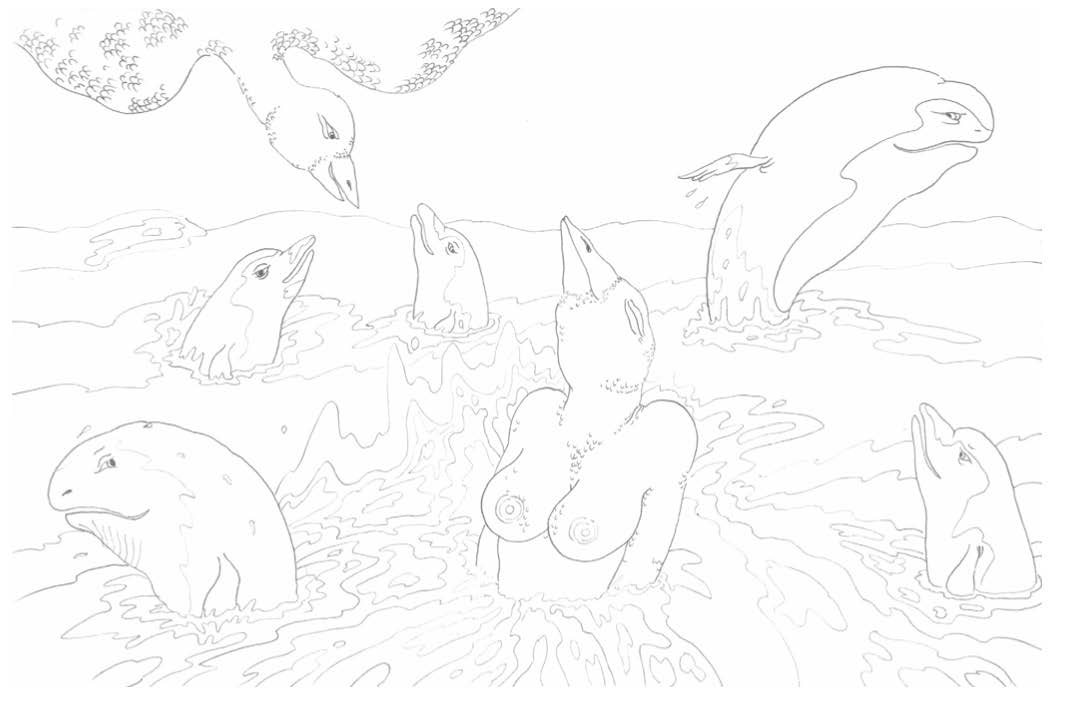
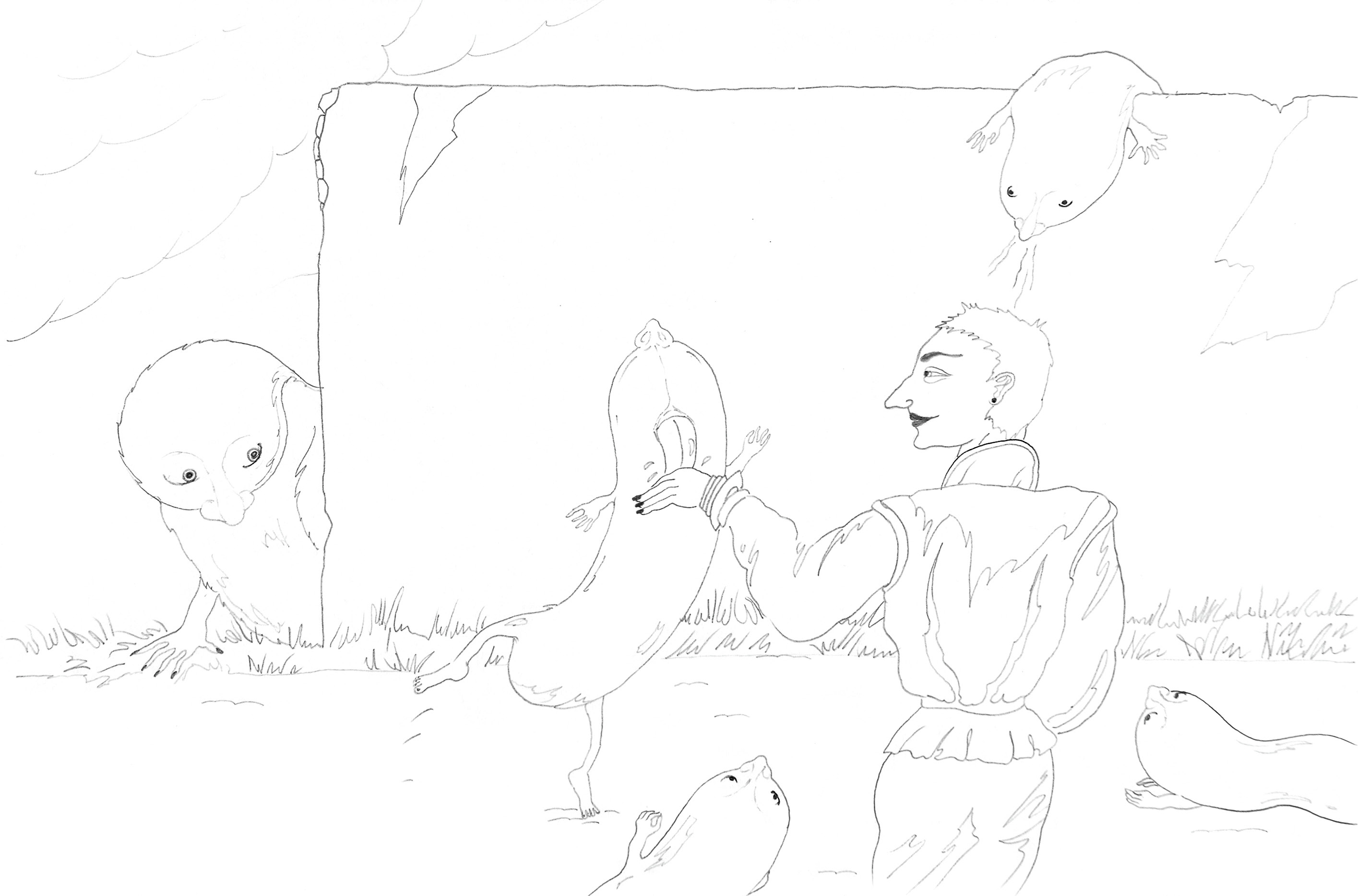
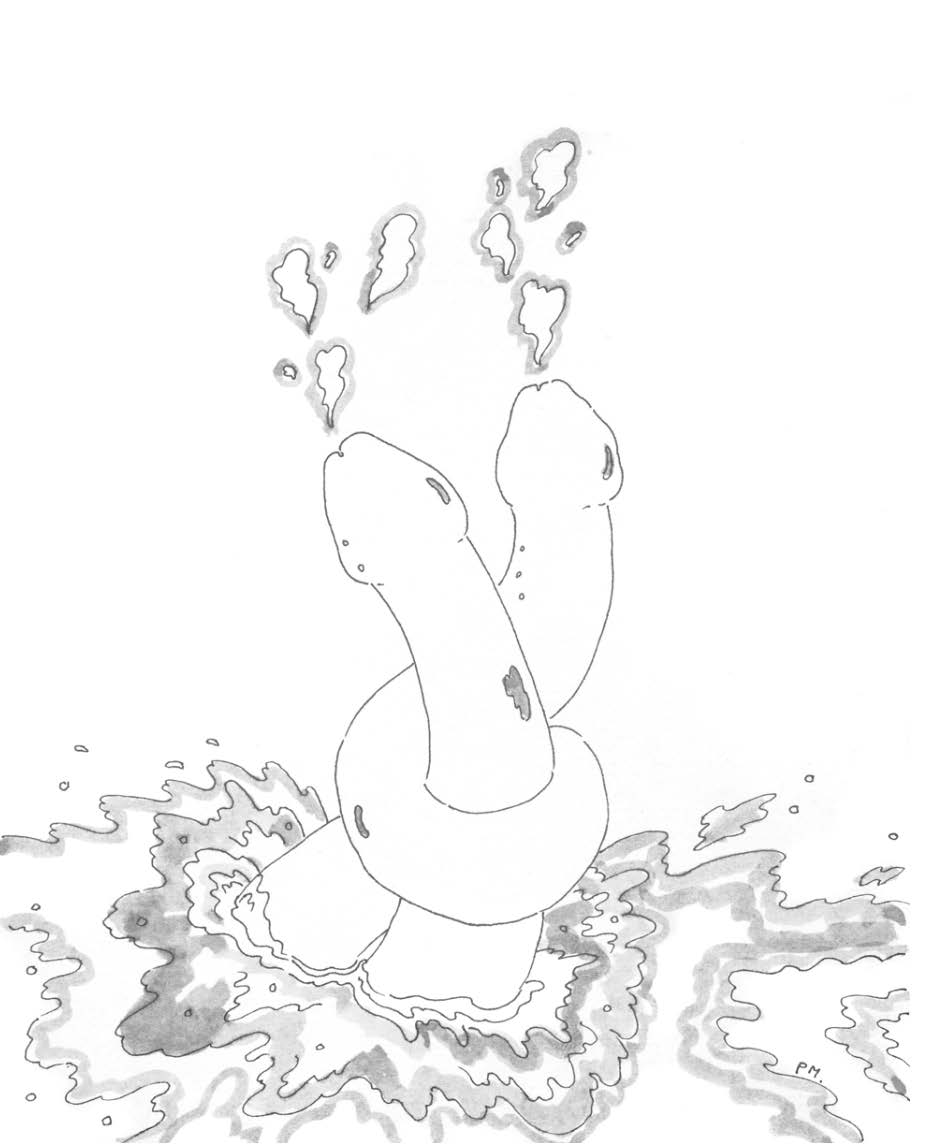
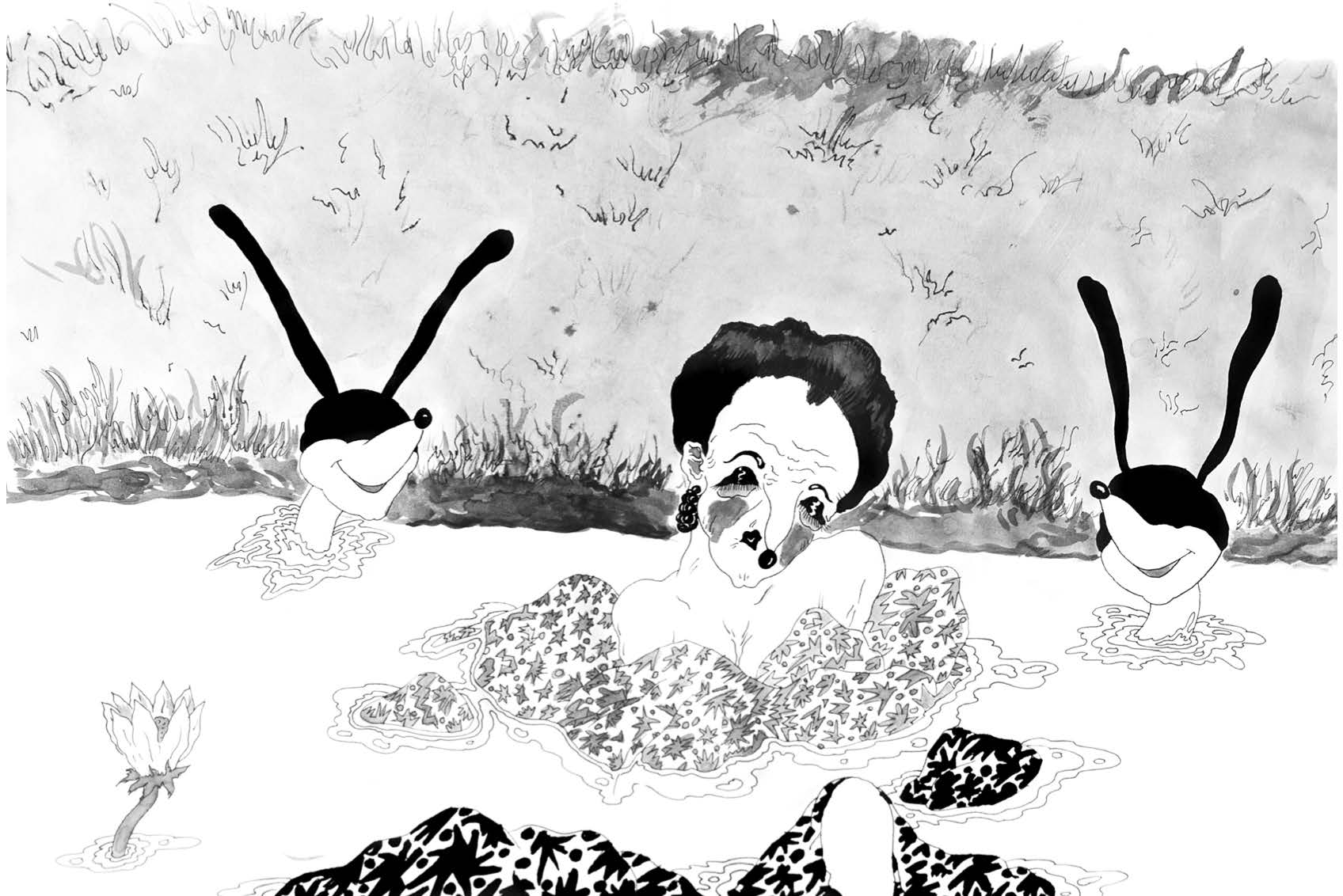
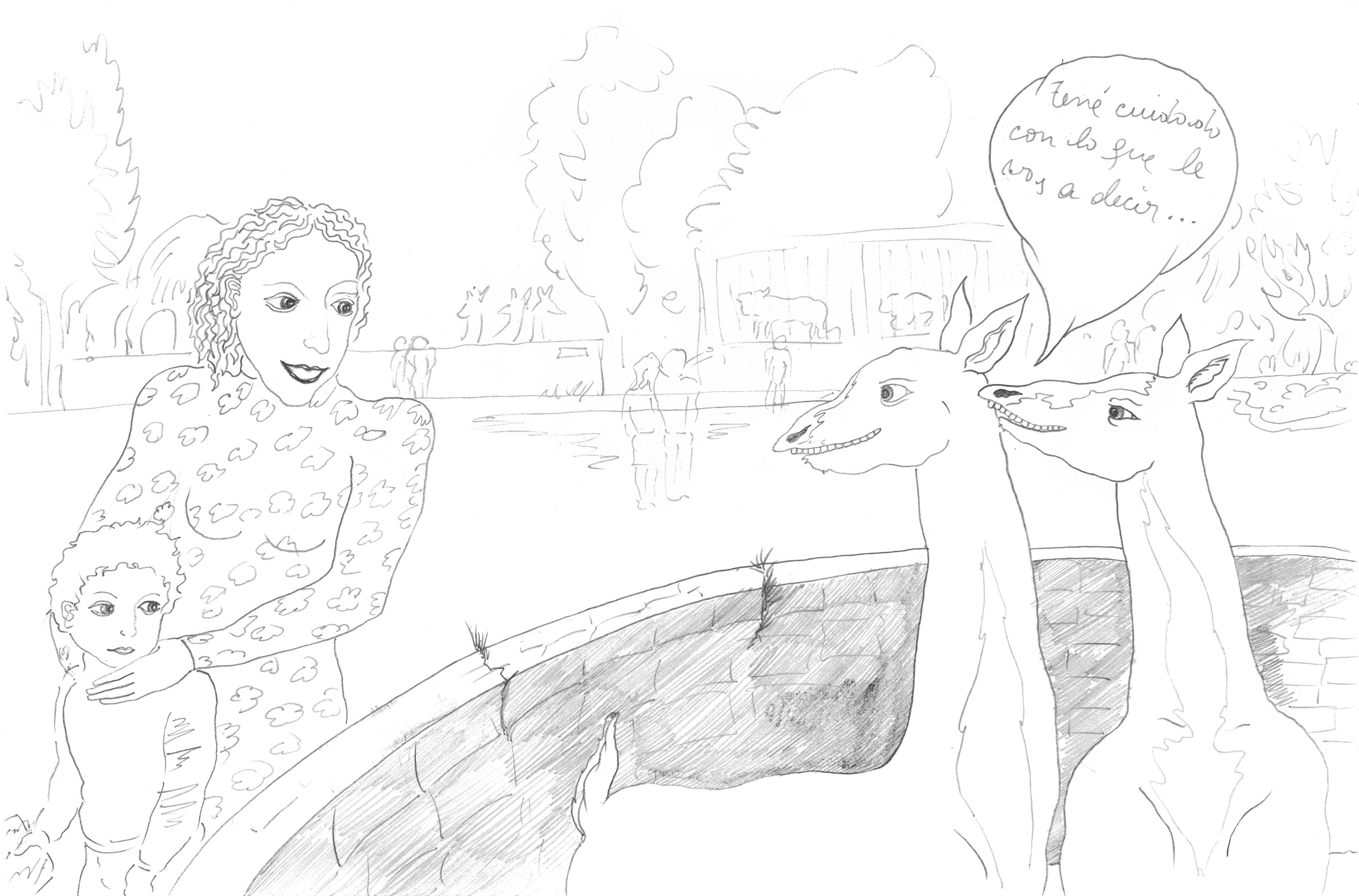
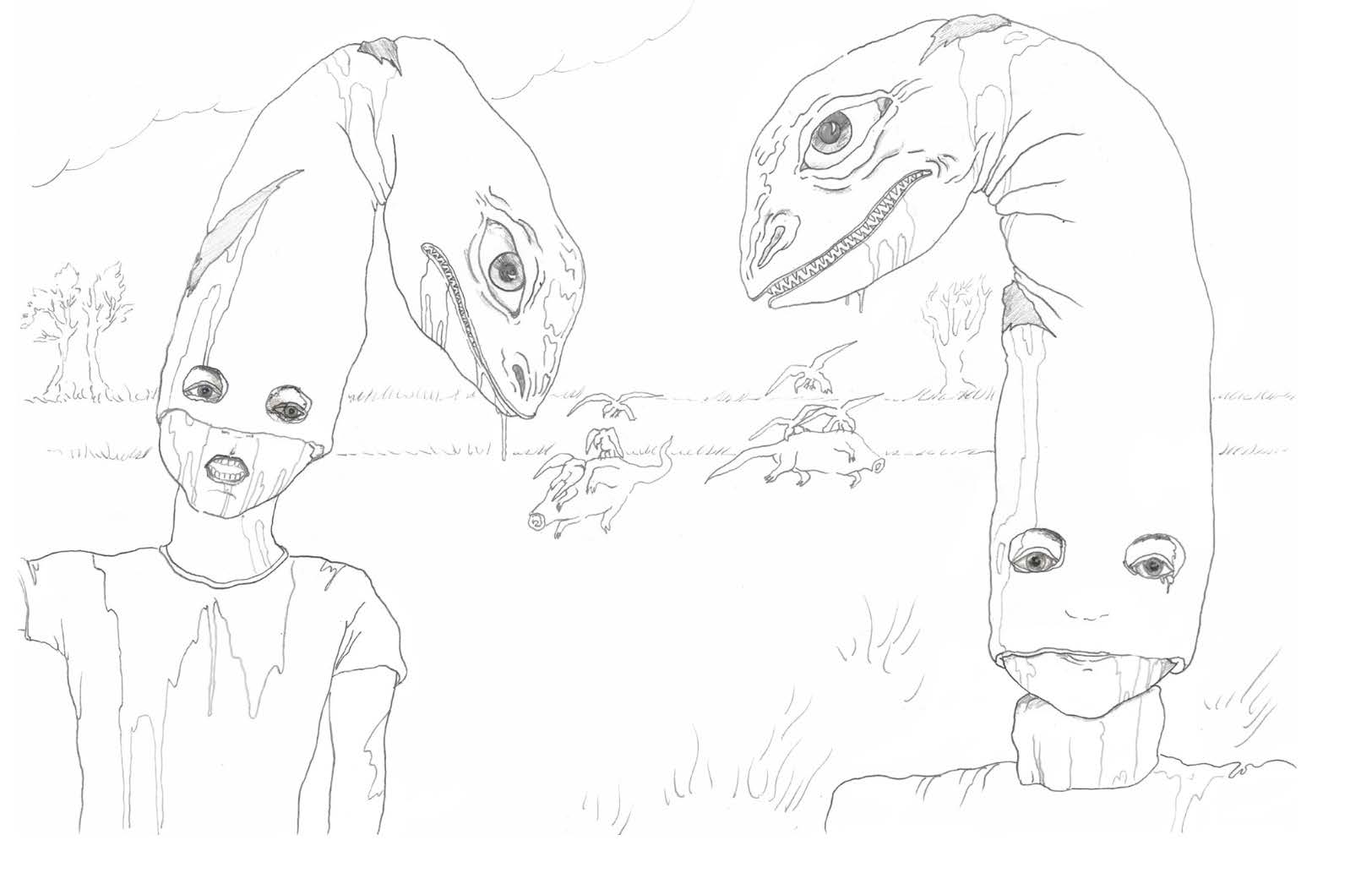
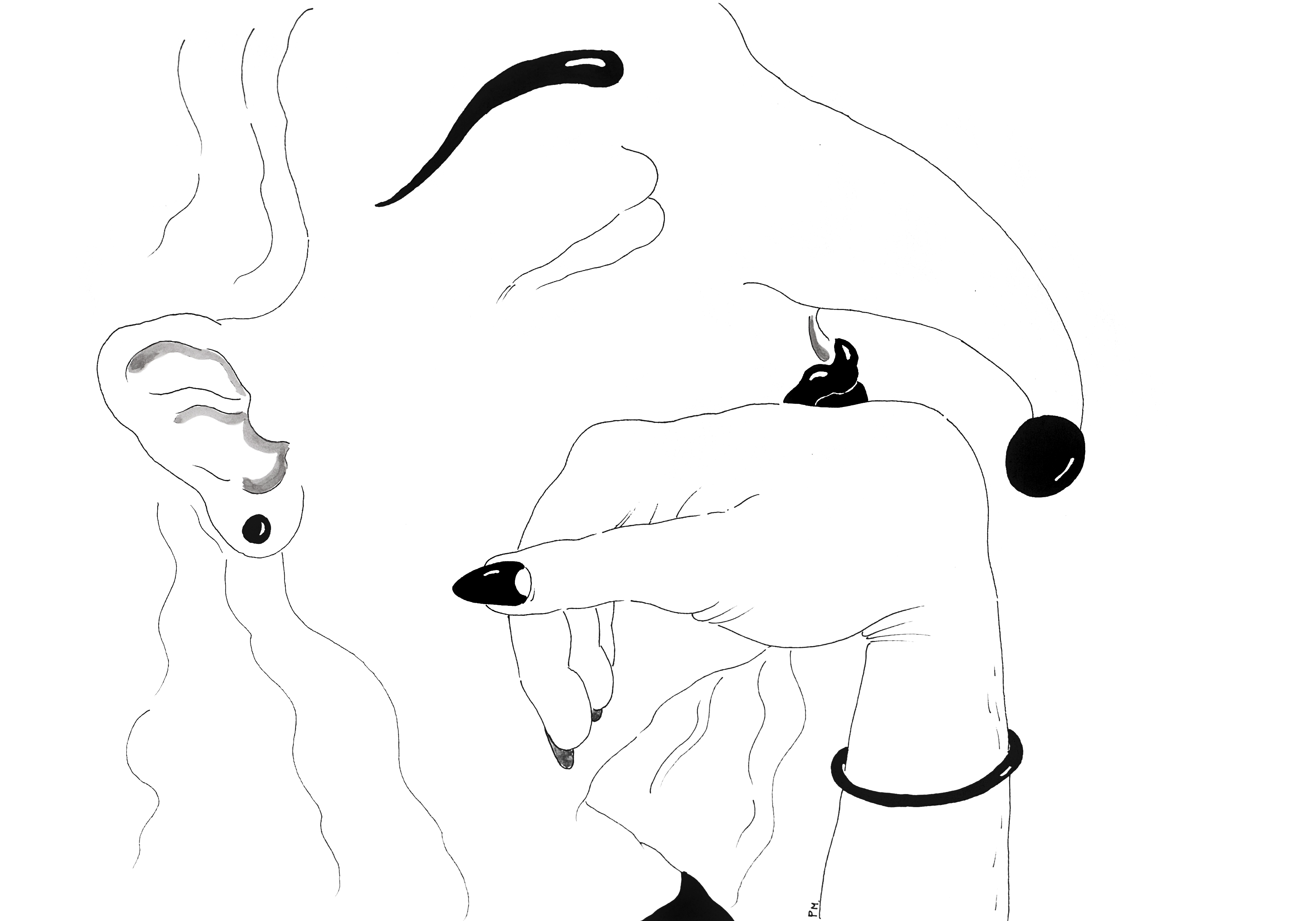
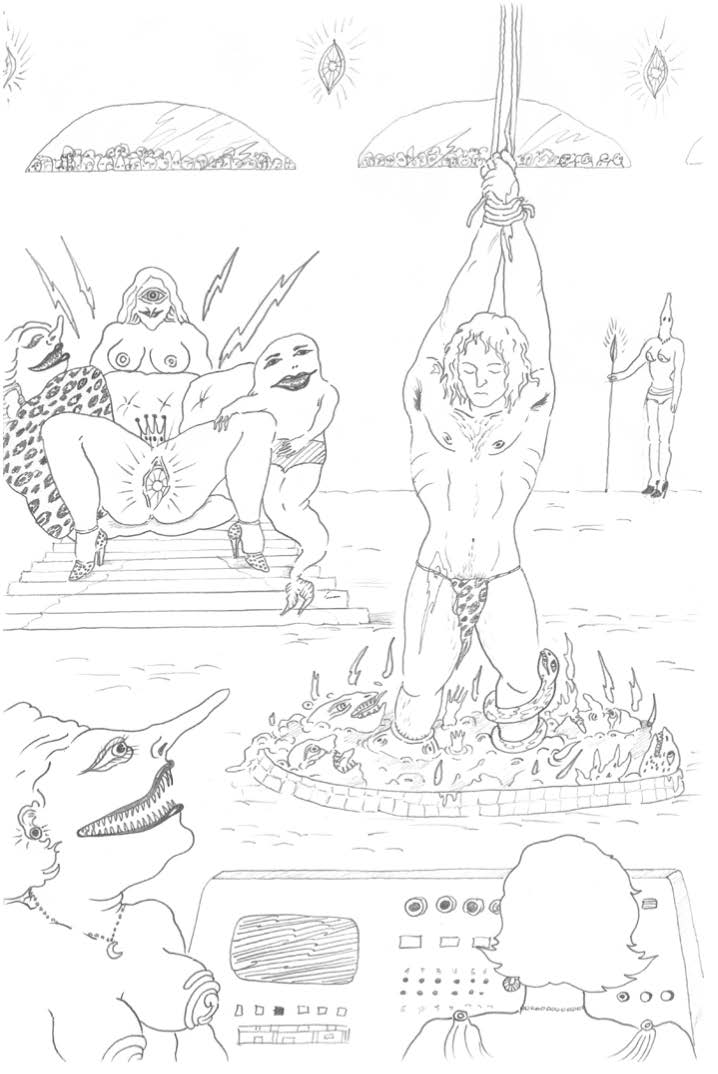
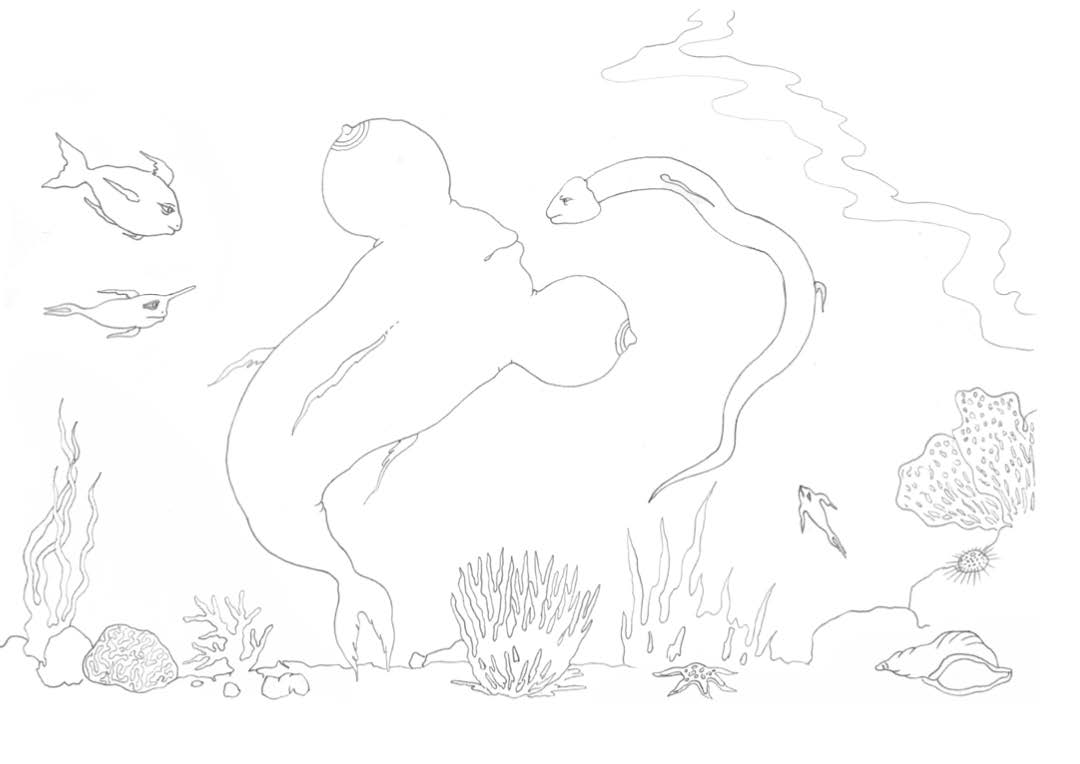
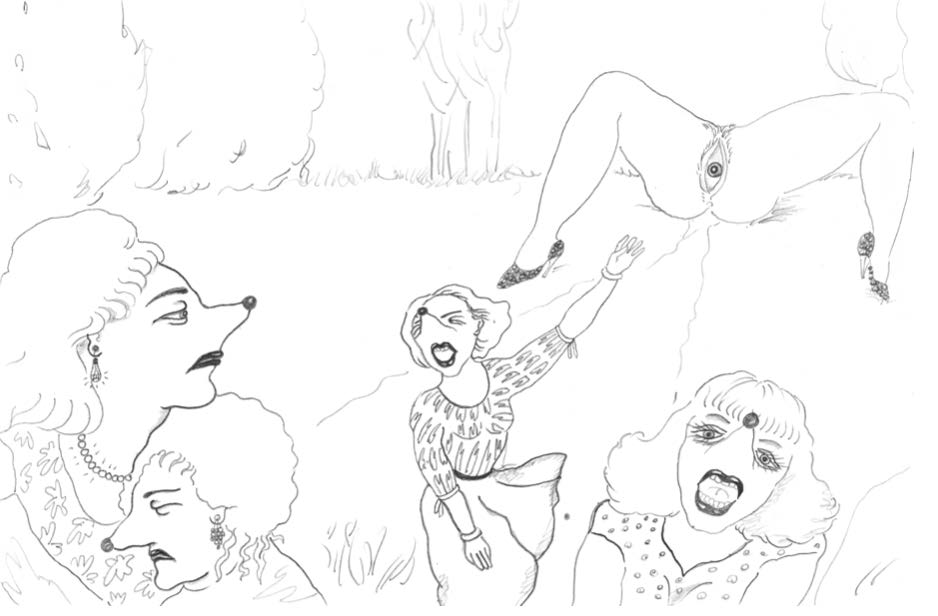
The exhibition currently on display at Barro is titled "Artisanal Conceptualism: Starting Point" by Marcelo Pombo. The first room, named "Dibujos de San Pablo," serves as the foundational point for Pombo's artistic journey. It features a grid-like arrangement of 40 out of 54 drawings, some of which were previously showcased in Pombo's retrospective at the Fundación Fortabat in 2015. These artworks depict zoomorphic humanoid characters, blending animal and human features in unique ways, such as snakes with phallic shapes and fish with human genitalia.
Pombo created these drawings using soft pencil strokes, portraying scenes of sexual sociability. This dissident political imagery emerged during his trip to Brazil in 1982, as a means to avoid potential enlistment in the Argentine army during the Falklands War. Pombo offers us an erotic genealogy of the monstrous, the insubordinate, the lustful, the depraved, and the bizarre—those who defy the disciplinary institutions of the body.
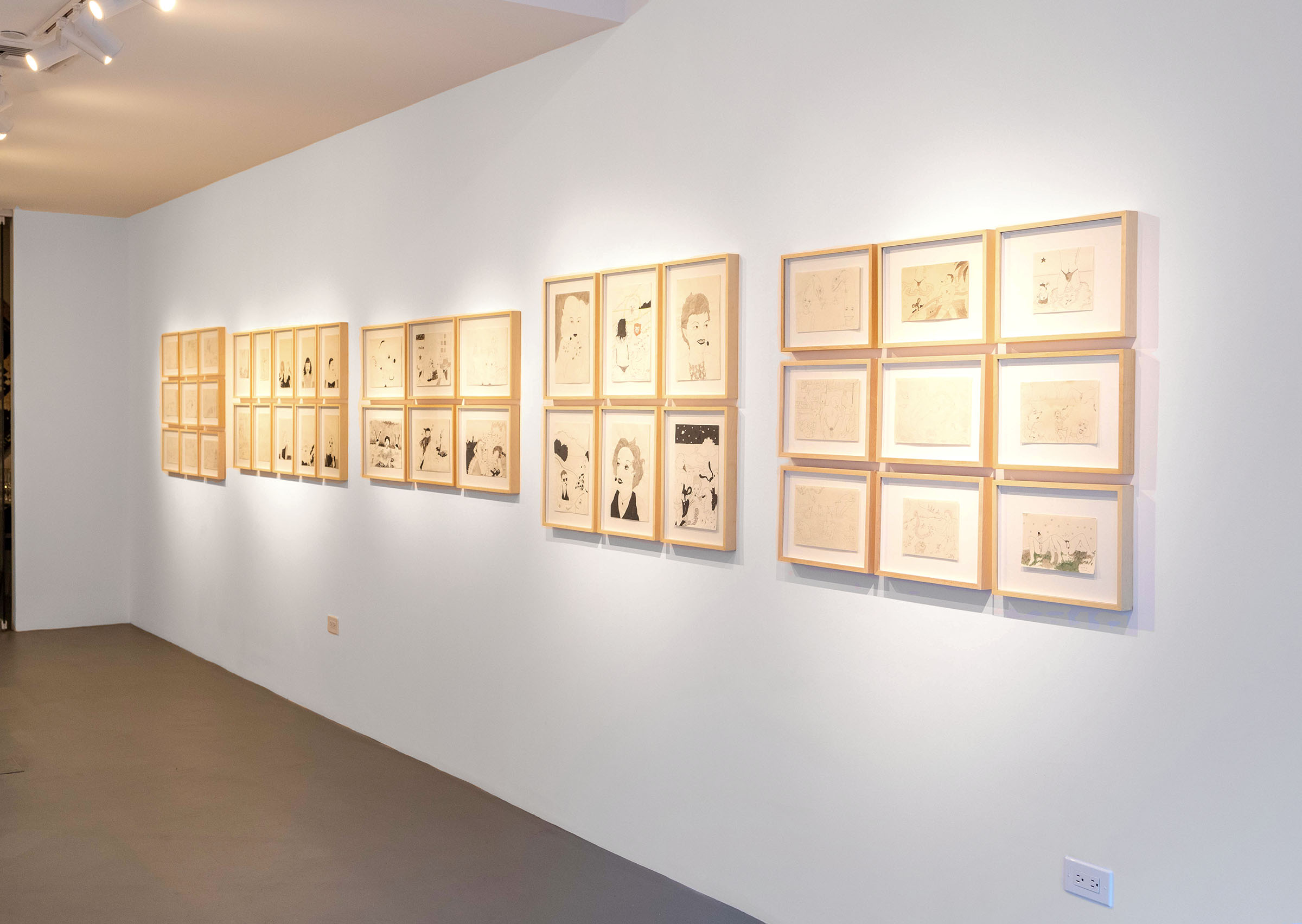
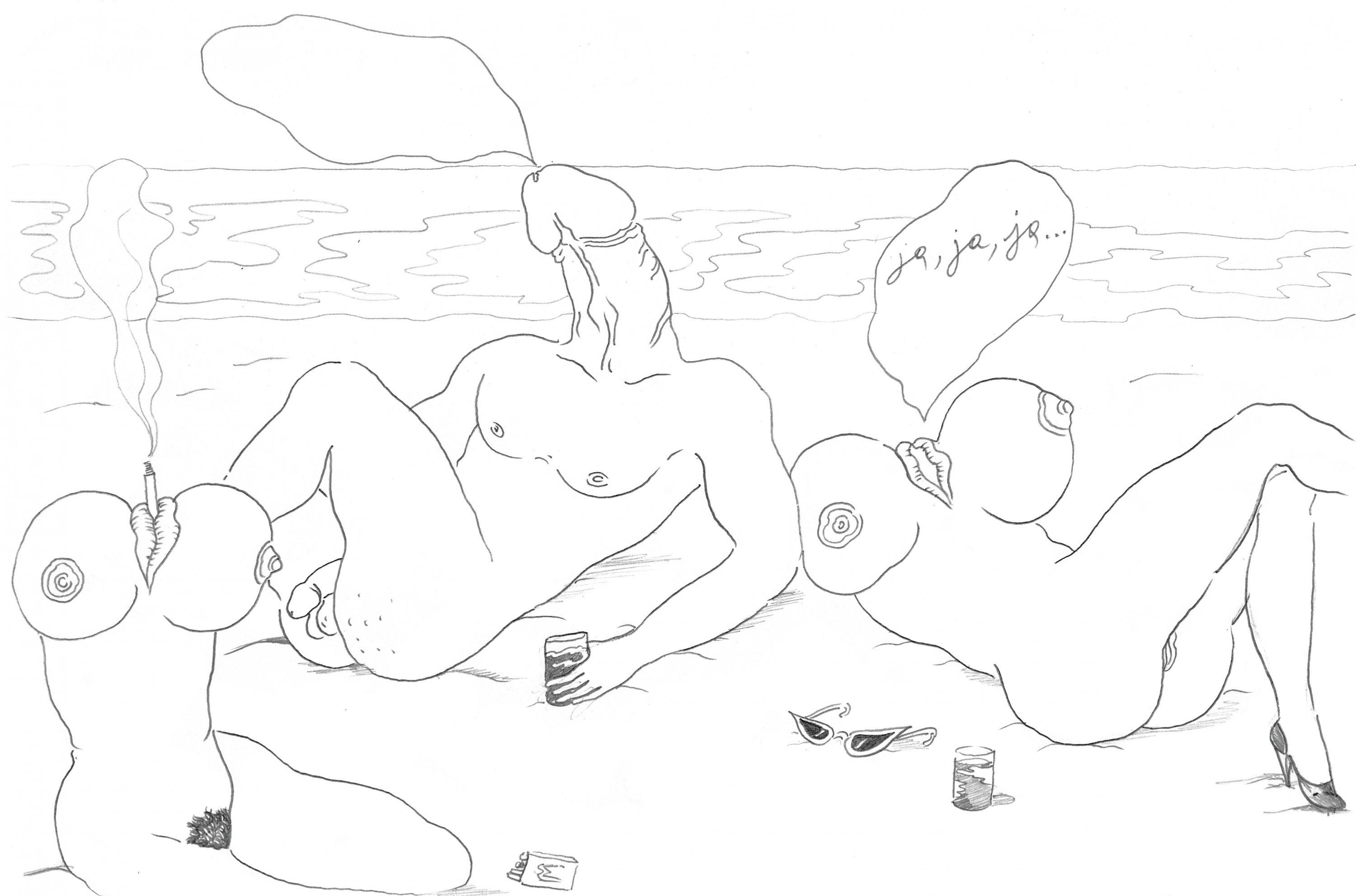
This series challenges the expected heteronormative portrayals of sexual relations by embracing a pansexual perspective. You will also notice references to the political context, such as the phrase "Free Lula". Lula, the former leader of the Workers' Party in Brazil, played a significant role in the labor movement and subsequently served as the country's president.
Upon returning to Argentina in 1983, Marcelo Pombo immersed himself in gay activism, becoming a part of the Gay Action Group (GAG) in 1984. GAG comprised a diverse group of individuals, including Óscar Gómez, Jorge Gumier Maier, Carlos Luis, Julio Olmos, Gustavo Gelmi, Facundo Montenegro, Alejandro Kantemiroff, and many others. This collective engaged in discussions, activism, and social exchange, publishing a magazine that tackled politics and sexuality.
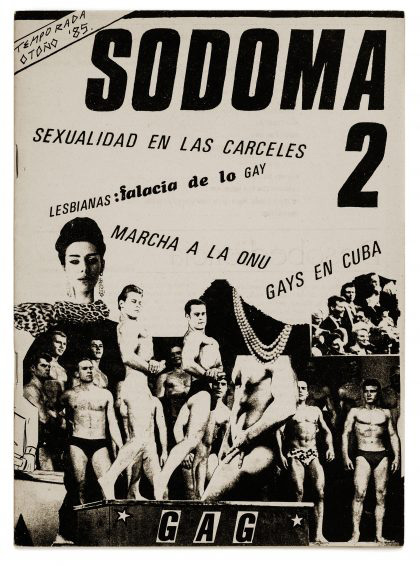
On June 14, 1984, GAG, alongside the Argentine Homosexual Community (CHA), Socialist Alternative for Sexual Liberation, and independent activists, gathered at Parque Lezama in Buenos Aires. This assembly served to commemorate the Stonewall riots in New York while protesting against police oppression, violence, and discrimination. During this event, GAG proudly displayed a handcrafted flag bearing their motto: "Let's bring sex to the government and pleasure to power." In 1985, Marcelo Pombo contributed his illustrations to the second edition of Sodoma magazine, addressing topics such as disobedience, prostitution, lesbian and gay movements, sexuality in prisons, raids on gay establishments during the so-called "democratic" era in Buenos Aires, and the persecution of homosexuals in Cuba. Through his involvement with GAG and contributions to Sodoma, Pombo demonstrated his commitment to raising awareness about issues affecting the LGBTQ+ community. Through activism and artistic expression, Pombo and his peers aimed to challenge societal norms, fight for equality, and advocate for the rights and freedoms of sexual minorities.
Now, let me share with you some archival images using the projector on the gallery wall. These images are from Espresso Imaginario, a magazine that encapsulated the spirit of underground culture. We have the cover of Issue 23 from June 1978, featuring a reader's piece by Jorge Gumier Maier, an artist and writer who later became a curator in 1989. Gumier Maier discusses underground culture and its significance. Moving on, we have the cover of Limpao magazine, which was launched in April 1978 and ceased publication in June 1981 in Rio de Janeiro and São Paulo, Brazil. One of the essays within this issue, titled "Homo Eroticus" by Darcy Penteado, explores themes related to gay culture.
In the early 1980s, Marcelo Pombo embarked on a creative journey intertwined with underground and gay culture, influenced by the challenging circumstances of the dictatorships in Argentina and Brazil. Both dictatorships were part of Operation Condor, orchestrating state terrorism that involved the concealment of identities and the forced disappearance of individuals. These oppressive regimes ensured the alignment of Latin American armies with U.S. foreign policy.
Pombo's trip to Brazil in 1982 marked a significant turning point. Seeking to evade the possibility of enlisting in the Argentine army for the Falklands War against the United Kingdom, he ventured to São Paulo, where he immersed himself in the vibrant nightlife and gay culture. It was there that he encountered Darcy Penteado, whose perspectives on gay activism opened Pombo's eyes to new possibilities. Upon returning to Argentina, Pombo crossed paths with Jorge Gumier Maier, who had established himself as a freelance writer for Expreso Imaginario, where he covered various topics including the Latin American Engraving Triennial, Jorge de la Vega, Art Festivals, and Emir Omar Chabán—an influential figure in Buenos Aires' underground scene during the 1980s. Gumier Maier went on to publish texts regularly for El Porteño and Cerdos y Peces, including pieces like "Somos todos maricones" (We are all faggots), "La homosexualidad no existe" (Homosexuality doesn't exist), and "Los usos de un gay" (The uses of a gay). Upon reading Gumier Maier's work, Pombo felt compelled to contact him, leading to their eventual collaboration as founding members of the Grupo de Acción Gay (Gay Action Group).
Marcelo Pombo's artistic journey and engagement with gay activism highlight his commitment to shedding light on the issues faced by the LGBTQ+ community. Through their collective efforts, Pombo, Gumier Maier, and their peers sought to challenge societal norms, advocate for equality, and amplify the voices of sexual minorities. Now, I invite you to explore the archival images displayed on the gallery wall, providing glimpses into the rich cultural and activist history of that era.
Kerry Doran (KD): Reflecting on Argentina during that era, it was largely a Catholic and conservative nation under a dictatorship. Repressive tactics were prevalent throughout the 1960s. The dictatorship's National Reorganization Process started in 1976, continuing until 1982, followed by a tentative shift to democracy in 1983. This transition to democracy remains ambiguous. Pombo, I believe, is exploring this concept, as the notion of democracy is misleading in terms of inclusivity. Syd mentioned the 1982 Falklands War (Malvinas War), a pivotal moment signifying the dictatorship's decline. This conflict was their final attempt to rally national support, but they ultimately failed, leaving those linked to the regime in a vulnerable state.
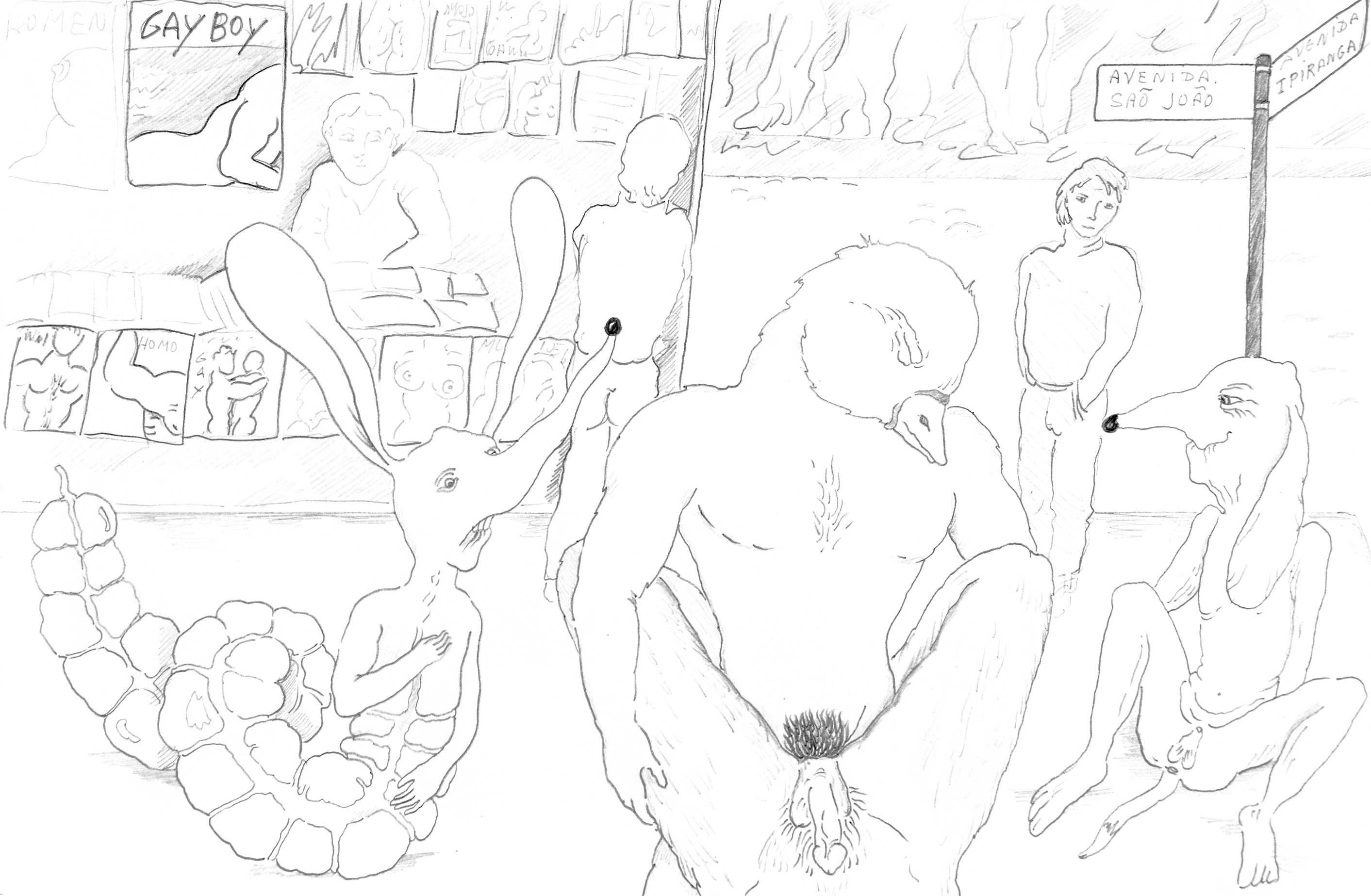
During this era, Pombo had a notably expressive and productive time in San Pablo. Despite the ongoing dictatorship, San Pablo's environment differed significantly. Comparable to New York in terms of size and population, San Pablo boasted a vibrant nightlife centered on local culture. It fostered a community that united to create something dynamic, though it was still somewhat underground and subaltern, a form of rebellion not feasible in public spaces. In contrast, Buenos Aires had a more extensive, diverse scene involving various participants.
SK: There is a parallel in the way I previously described the origin of the GAG (Grupo de Acción Gay). However, it's important to note that it wasn't the first gay activist group in Argentina. If we delve into that history, we can trace it back to 1967 with the emergence of Nuestro Mundo (literally "Our World," also Grupo Nuestro Mundo meaning "Our World Group") was the first gay rights organization in Latin America. Héctor Anabitarte founded it in Buenos Aires, Argentina in late 1967. In August 1971, Nuestro Mundo merged with several other activist groups to form the Frente de Liberación Homosexual ("Homosexual Liberation Front"), also known as the FLH. Other groups which joined the FLH included Safo, Eros, and Bandera Negra. This new group was more politically active than those preceding it, including Nuestro Mundo. The FLH eventually dissolved as a result of the 1976 Argentine coup d'état. Meanwhile, Argentina also witnessed a significant underground art movement during this period. The GAG created in 1984 was a small and radical activist group.
KD: We can think in a dialogue between the activist groups in Buenos Aires and Sao Paulo and their political context.
SK: Yes, of course. The dictatorships in Argentina (1976-1983) and Brazil (1964-1985) were both dark periods in the history of these countries, characterized by authoritarian regimes and human rights abuses (from 1955 to 1983, Argentina experienced unstable political regimes, oscillating between dictatorship and democracy on several occasions.). While there are some similarities between the two dictatorships, there are also notable differences in their origins, methods of control, and legacies. The military dictatorship in Argentina was established through a coup d'état in 1976. It was driven by concerns over political instability, economic crises, and the perceived threat of communism. The military took control of the government to eliminate leftist opposition and restore order.
The Brazilian dictatorship came into power through a military coup in 1964. It was motivated by a combination of factors, including opposition to President João Goulart's perceived leftist policies, fears of communist influence, and economic concerns.
The military coup resulted in the removal of Goulart and the installation of a military regime. The Argentine dictatorship, known as the National Reorganization Process, implemented a systematic campaign of state terrorism. This included widespread human rights violations, such as forced disappearances, torture, and extrajudicial killings. The regime targeted left-wing activists, intellectuals, and suspected subversives. The Brazilian dictatorship and the Brazilian military government also employed repressive measures to maintain control. It engaged in censorship, media control, persecution of dissidents, and torture.
However, compared to Argentina, the Brazilian regime was relatively less violent, with fewer cases of forced disappearances. Discussing the difficulties faced during the dictatorship in Argentina, particularly, as the situation became increasingly dangerous by 1976, brings to light an important point. In those times, expressing dissent or gathering in groups became exceedingly challenging. The regime's control was so concentrated and oppressive that initially, even three people coming together on the streets could be considered against the law. Our current actions, like having this discussion, would have been seen as highly dissident, and the military could have potentially arrested us for such a demonstration. However, various groups still managed to maintain communication and connection, even across borders. Intellectuals and artists, including renowned figures like Michel Foucault, went to Brazil to experience a different lifestyle and engage in political interventions. Meanwhile, in Argentina, artists like Marcelo Pombo were creating their drawings in 1982, while in Brazil, artists such as Eduardo Kac, launched the Movimento de Arte Porno (Porn Art Movement) on Ipanema Beach, in Rio de Janeiro. This parallelism highlights the vibrant art scenes and subversive activities during that era.
Warren Neidich (WN): Is this Eduardo Kac also at the University of Chicago, who created the rabbits?
SK: Yes, the same. Some of the same people moved between art and intellectual life. Take Néstor Perlongher, the Argentine poet and sociologist living in Brazil. From 1980 to 1982, Perlongher wrote insightful essays exploring desire and sexuality. These intellectuals were greatly influenced by thinkers like Gilles Deleuze and Félix Guattari, and they expanded their focus beyond the working class. They recognized the importance of addressing minority groups and understanding how politics could represent their interests. This shift in perspective marked a significant development during the 1970s and early 1980s in the region.
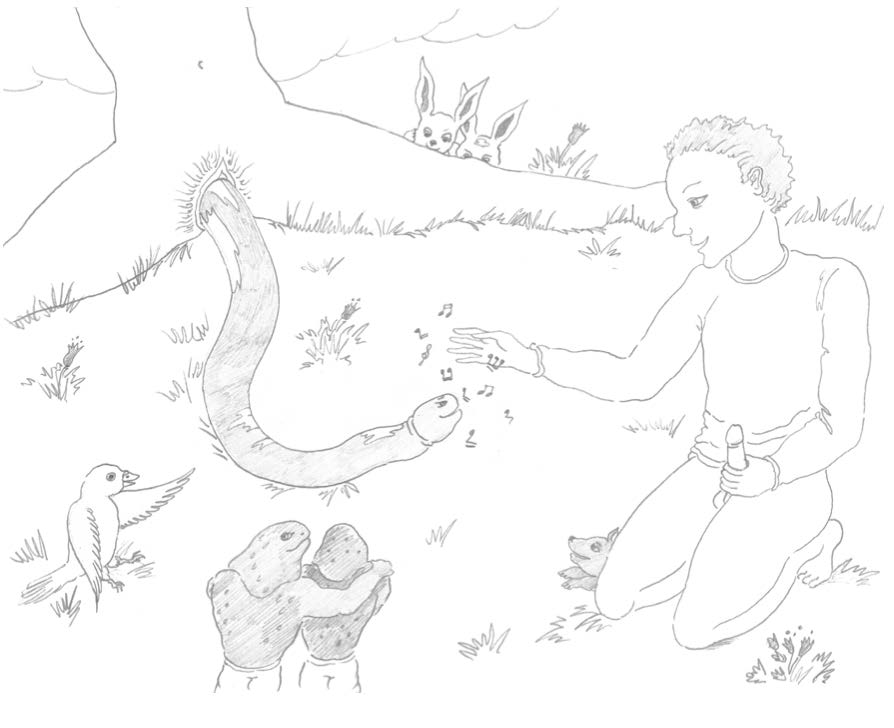
KD: I'd like to add a point relevant to our discussion about the drawings. These works engage with the theme of transcending human forms, incorporating animalistic or other-than-human elements. This approach resonates with the notion of challenging established human categorizations, specifically the white, heterosexual, cisgender male as the default 'human' in a cis hetero-patriarchal society. These drawings subvert traditionally pejorative depictions, transforming them positively, akin to reclaiming the word 'gay'. By portraying human figures as monstrous or animalistic, they assert that being labeled 'subhuman' is not a diminishment but an expansion beyond the limited 'human' category. They reject this category as it's oppressive and exclusionary.

Concerning Argentina, an interesting observation is the rapid influx of continental philosophy and theories there, quicker than in the United States. This can be attributed to the relative ease of translating from Spanish to French, as opposed to French to English. It was only after certain texts were translated into English that they gained accessibility in the U.S. Consequently, Argentina experienced a faster and more significant flow of theoretical ideas during this period.
SK: Many of these ideas can be traced back to both the academic and cultural scenes. These magazines projected on the screen are Cerdos y Peces and El Porteño from 1984. Jorge Gumier Maier wrote “Somos todos maricones”' for Cerdos y Peces, May 1984, and “La homosexualidad no existe”, El Porteño, issue 32, August 1984. These publications were fearless in their exploration of various topics such as sexuality, counterculture, drugs, music, and art, capturing the essence of multifaceted and diverse lifestyles. For instance, within these pages, you'll find an enlightening essay by Gumier Maier discussing the oppression experienced by the LGBTQ+ community. It sheds light on how even in a democratic society, the state continues to persecute and target homosexuals, employing tactics like police raids on discotheques and bars, resulting in unjust arrests.
It exposes the contradiction of a so-called democracy perpetuating the same repressive actions as previous regimes. It is essential to remember that democracy was restored in Argentina in 1983, just one year prior to the release of this pamphlet. Now, let's take a look at the cover of the first issue of the magazine called Sodoma. Although only two issues were published, they left a lasting impact. Notably, Marcelo Pombo contributed drawings to the second issue, some of which are currently displayed outside the gallery. I invite you to follow along and explore the rich content of this second issue, as it holds a treasure trove of insights and discoveries.
KD: Yes, and all of this really blew up in the ‘80s. Because there was so much repression for a decade and even before the official beginning of the Dirty War, there was so much repression in the 60s. Even though there was still repression during the so-called return to democracy, people really gathered, and were able to mobilize around these issues for the first time. And, again, I hate to put it in juxtaposition to New York, but just to contextualize the different timelines. If we think about Stonewall happening in the 60s, like people in Argentina, they were obviously organizing underground and fighting back against the military police and things like this, but it wasn't able to be public facing until the 80s. So it makes for a drastically different timeline.
Audience: Was Argentina in the 80s like the US in the 60s socially?
KD: I don't want to make that kind of comparison, I don't think they're comparable. All I'm trying to say is people weren't able to react in the same way because there was such state suppression.
To better understand the context of the events that unfolded in 1983 and 1984, it is essential to recognize that beneath the surface of society, a dark undercurrent of violence and oppression had been in existence for a long time. This violence, including murder, rape, and disappearances, had remained hidden from public view. Nevertheless, it is crucial to distinguish between what was publicly visible and what transpired behind the scenes.
Despite the secrecy that shrouded these issues, various social movements, particularly feminist groups, were actively engaged in activities aimed at bringing about change. This proactive stance was in stark contrast to the art world, where artists may not have been openly showcasing their work. The significance of these clandestine activities should not be underestimated, as they set the stage for the events that eventually came to the forefront in 1983 and 1984. These pivotal moments were not sudden but were the culmination of years of covert efforts by courageous individuals who risked their lives through seemingly mundane actions such as gathering, hosting parties, or simply spending time with friends.
SK: Let's explore this document projected on the wall. It presents the cover of Fin de Siglo, a significant cultural magazine that featured the artistic writings of Gumier Maier and Roberto Jacoby. In this specific text from 1987, Gumier Maier reviewed Marcelo Pombo's drawings, while Roberto Jacoby focuses on Martín Kovensky's exhibition. It's noteworthy that both Kovensky and Gumier Maier not only contributed written content but also served as illustrators for the magazine's covers. This convergence of artistic talents within the pages of Fin de Siglo reflects the dynamic cultural milieu of the time.
These artists exemplify the diverse range of activities within the underground scene, engaging in various forms of artistic expression such as artwork creation, art criticism, pedagogy, curating, and the establishment of artist-run spaces. Their collective efforts aimed to build a community and institutions that stood against repression and the absence of established structures.
Kerry Doran highlighted the significance of the underground scene during and after the dictatorship, where the juxtaposition of violence's impact on bodies and radical experiments in freedom and transformation challenged the repressive order. The collected materials reflect not only the consequences of mass disappearances, massacres, and repressive regimes but also the collective efforts to devise ways of existing in a constant state of revolution. Fragile mediums like serigraphy, performance, video, poetic action, experimental theater, and participative architecture were employed as forms of resistance. These practices can be categorized into three main areas: visual politics driven by social movements like the Madres de Plaza de Mayo in Argentina and Mujeres por la Vida in Chile, acts of sexual disobedience that challenge traditional gender constructions, and the underground scene, utilizing music, parties, and a DIY ethos to create micro-communities and rebuild social bonds severed by terror.
As an example, Peruvian artist Fernando Coco Bedoya organized "Museos Bailables," events that brought together artists of all kinds in night venues. Roberto Jacoby curated the Festival of Body Art in Buenos Aires, a series of four events that combined nightlife, art, and politics, highlighting the body as an expressive medium. The last event, held in homage to Alberto Greco and his Vivo Dito art manifestation, took place in the Palladium. Participants, more than 70 individuals and groups, had 15 seconds of fame, a nod to Andy Warhol's famous quote. Applause meters and a judge determined winners who received a prize of $200. The event was captured by two television cameras and broadcasted on 13 U-MATIC screens, forming an archival record of that era's practices and serving as a catalyst for reevaluating the final gestures of the 20th century within the context of deep physical and virtual interpenetration.
KD: The underground scene we've just discussed provides a compelling segue into the exploration of "I don't know how to know." This is because the underground movement significantly informs the origins of "I don't know how to know," as Syd has referenced an individual, Jorge Gumier Maier, who is often considered the founder of El Rojas.
This connection to the underground scene brings us to the heart of our study. It's the reason I developed such a deep affection for researching this group. Our exploration delves into the very essence of queerness and its profound implications. It's about the art of weaving a community from the rich tapestry of our differences, even in the face of formidable challenges, and it's about transforming adversity into something profoundly beautiful.
Consider, for instance, the remarkable story of Marcelo Pombo. In the late 1980s, amid financial struggles, he devoted his time to teaching art classes for mentally impaired children. Despite his own upbringing in poverty and ongoing financial challenges, Pombo chose to dedicate his evenings to teaching art to students. He would gather the remnants of art classes, along with discarded materials and even trash, and ingeniously turn them into his artwork.
When we reflect on artists like Andy Warhol and his iconic Brillo boxes, we understand the concept of elevating manufactured objects into the realm of art. However, Marcelo Pombo's intervention went beyond mere transformation. He didn't just introduce glitter and paint; he infused his own queerness, his unique perspective, to elevate it from beautiful to exquisite. In doing so, he emerged as a profound contributor to the world of queer art during that era. For me, this is where his true distinction lies as a contributor to queer art during this pivotal period.
WN: Guys, that's a great question. Is it possible that what we're discussing is, in fact, a clandestine form of public political art?
KD: I believe that's precisely what queerness represents today. You're hitting the nail on the head.
WN: The concept of the past, at least from my perspective, isn't necessarily a broad and all-encompassing notion; it's quite specific. So, in response to your question, yes, I do think it's possible. I was contemplating how this applies in situations of political surveillance. You mentioned labeling it as "queer," but I'd liken it to adopting some of the avant-garde methodologies. Even when their art ceases to exist in its traditional form, it's as if they are crafting covert languages. This notion pertains to a form of political art that doesn't overtly depict a rebellion or a fiery protest but operates in a subtle, almost ethereal manner, communicating exclusively with those who comprehend the language. It's about forging an alternative means of expression that remains cryptic to the authorities but resonates deeply within a specialized community. This parallels the dynamic with technology, as seen in the Arab Spring. The younger generation understood how to utilize social media, whereas the military leaders did not. It's a similar concept, albeit in the realm of art.
KD: I think you're addressing one of the most crucial aspects of this group, and I'm sincerely thankful for you bringing this to light. The characterization of this group, as exemplified in a prominent review, describes their work as superficial—similar to what I mentioned earlier in terms of how their work is portrayed. The review adopts a very feminine tone, and the interpretation of their work in the press comes across as highly misogynistic and homophobic. I sense that this aligns precisely with your point.
They incorporate various mass consumer products, ornamentation, and materials sourced from a neighborhood I visited, which features beautiful yet often labeled as "cheap" fabrics. Stuffed animals, glitter, and lights, all commonly manufactured and considered inexpensive, are among the materials they use. The tendency to dismiss their work as light stems from the perception that there is no political intervention, as if it's all excessively superficial. The critique implies that these individuals are solely interested in aesthetics and beauty. I'm genuinely pleased that you highlighted this, as it truly underscores a hidden language within this community—a way of expressing that their politics embody beauty, joy, and the resilience of surviving each day, finding beauty in the ordinary.
SK: In this context, we approach politics from a political theory perspective that diverges from traditional notions. Instead of focusing solely on the working class and class consciousness, we aim to shed light on a different aspect. By delving into the concept of everyday life, we discover a direction for revolution where people find enjoyment in their daily experiences. This notion of the politics of everyday life challenges the conventional understanding of classic Marxism-Leninism, which relies on the idea that a select few possess enlightenment and guide the masses.
WN: Revolution, and I would also like to emphasize that it served as a form of protection for them, which I believe is a key aspect. Essentially, they employed this secret language as a source of empowerment. Not only did they understand one another, but they also developed a unique language to communicate among themselves. Their art became a sort of hidden treasure, a confidential repository of their expressions.
SK: However, there were no guarantees. I believe it would be inaccurate to categorize this strictly as subculture, especially not in 1989, as the government did not prosecute individuals for their involvement in this particular type of art. Rather, it served as a clandestine language crafted to navigate the post-dictatorship era, which coincided with the emergence of democracy. Although society appeared relatively more liberal on the surface, it is important to acknowledge that repressive mechanisms, such as police raids on gay bars, persisted. I view this as an expression of subculture within a marginalized community, where unique codes and modes of communication were established. Through this shared lens, they forged connections and comprehension amongst themselves. I would characterize it as a countercultural movement.
Turning our attention to the second exhibition at the Rojas gallery, it is worth highlighting that the initial showcase featured the work of Liliana Maresca, a prominent feminist activist and political artist.
Furthermore, it is intriguing to note that in 2007, the Museo de Arte Latinoamericano de Buenos Aires published a catalog containing a text by García Navarro, which revived an age-old dichotomy within the art field, namely the division between political and non-political art. This resurgence reignited a fervent yet somewhat limited debate that permeated the Argentine art scene throughout the 1990s.
Regrettably, time constraints prevent us from delving deeper into these concepts or presenting accompanying images. However, I assure you that the second segment of the exhibition at the Rojas gallery showcases the works of Marcelo Pombo, and we will continue our exploration of his art in the subsequent visual material. I have included select excerpts from the press release, providing insight into the exhibition's political dimension.
KD: Yeah, we haven't talked about this at all, but I think it's been implicit in the conversation until now.
SK: During that period, the visual arts scene became a magnet for diverse minority groups, including the gay, lesbian, and queer communities. This era coincided with the harrowing AIDS crisis of the 1980s, and the lingering stigma surrounding the disease continued well into the 1990s. It was within this context that Roberto Jacoby, a prominent figure, launched a compelling and thought-provoking political campaign. At its core were T-shirts bearing a powerful message: "I have AIDS.” A T-shirt that no one wants to wear. This campaign gained significant traction and even caught the attention of the renowned Argentine singer Calamaro, who enjoys widespread acclaim both in Argentina and Spain. The T-shirts themselves featured vibrant colors, providing an intriguing contrast between their unassuming appearance and their profound cultural impact. It's important to note that the campaign had a performative aspect, as it involved collaboration with Mariana "Kiwi" Sainz. Together, they orchestrated an awareness campaign. The intention behind this endeavor was to take a stand against the discrimination faced by HIV-positive individuals, shedding light on their struggles and fostering a more inclusive society
SK: Celebrating had immense significance at that time, marked by tremendous challenges and difficulties. I must emphasize that a considerable number of artists associated with El Rojas were HIV positive, and most of them had to deal with the seriousness of their condition. It is undeniably heartbreaking to acknowledge that these individuals faced criticism and scrutiny. The crux of the controversy revolved around their decision to prioritize their artistic activities over conventional political engagement. In response, some artists expressed an urgent desire to savor the remaining moments of their lives, recognizing the inevitable proximity of their own mortality. They longed for a means to experience joy and fulfillment in the midst of their circumstances. For them, creating art with their own hands became an obsessive and absorbing practice.
It provided them with a profound avenue for self-expression, allowing them to embrace the sheer pleasure of working with diverse materials and to transcend their own limitations through the transformative power of art.
KD: "I'm going to die in a couple of months; I just want to have fun with my friends." It's essential to remember that for all these individuals, their formative years occurred during the dictatorship. There's a particular artwork I'll share shortly that encapsulates this aspect. It might seem very characteristic of the era, appearing fun, decorative, colorful, and constructed with stuffed animals. However, these stuffed animals symbolize their friends who disappeared.
Considering that these individuals grew up in the ‘90s and are now in their ‘30s, it means they were children during the dictatorship.
SK: Indeed, it can be likened to a dual battle, a clash of two significant forces in Argentina's history. The first being the repressive dictatorship that gripped the nation, and the second being the devastating AIDS crisis that swept through society. In this PowerPoint presentation, you will find a collection of powerful images by Feliciano Centurion, an intriguing textile artist hailing from Paraguay but residing in Buenos Aires. Currently showcased at the Institute of Latin American Art, his work is gaining recognition through a comprehensive documentation exhibit, featuring press clippings, catalogs, and even photocopies. As you immerse yourself in Centurion's artistry, you will encounter a profound theme resonating throughout his work—the undeniable declaration, "I am still alive."
Audience: A response to that. I say that like, yeah, just setting a really natural response to death. I know that right after 9/11 there was this big spike in babies born here in New York. And, you know, with wartime there's a death thing. This might be clear, but it's also sex and death. You know, you're talking about the AIDS crisis, but there was also this TED talk about why people cheat. Happy couples cheat usually if somebody in a couple is experiencing a diagnosis or, you know, their parent just died, or something with death, and they just all of a sudden become sex crazed. You know, I have got a diagnosis of cystic fibrosis. I was going through this thing, like, I could die in five years, you know, before I met this really amazing medicine. I'm gonna have the relationship but what it did to me I was like, oh my god, I was just like, looking at everybody on the street like, I'm gonna die, you know, I didn't hook up with enough people. I was listening to this talk about, people are under this like, repressive dictatorship, they can get killed you know, this AIDS crisis is going on. Of course you have all this very sexualized art. Like yeah, this makes sense. This is human nature.

KD: I'm so happy to hear that you're healthy. I mean, also, thank you for sharing that with us. I think the one thing I would say in response to it is the idea of having sex for results, and I don't know if this is what you're saying, so correct me if I'm wrong, but the idea that sex results in procreation is a very heterosexual idea. And so I think that having sex during war time, or if you know you're going to die, that's a heterosexual idea because for homosexual people, you're never going to procreate.
WN: I agree with you on that. However, I must respectfully disagree with you on one point. My perspective is that, well, you could argue against it, but I believe that sex is fundamentally about celebrating life. It doesn't necessarily have to be tied solely to procreation. I want to clarify that I'm not trying to dispute your interpretation, as you are absolutely correct in your understanding, and I respect that. What I'd like to add is that, in my view, when someone is facing illness, and I should mention that I have a medical degree and worked at Johns Hopkins, so I've cared for many ill patients, there's another layer to it. I interpret what she's expressing as a celebration of being alive. When you're dealing with an illness and you're out there, walking down the street, you acknowledge the possibility of mortality, and it charges every moment with life. It's like when you're on your deathbed; every moment of life becomes essential, vibrant, and each minute feels like an hour. It's truly remarkable.
KD: Say as a person, you live with that moment, every minute of your life, okay? You don't have to get diagnosed with something as a gay person. I will say you live with that every single moment that you don't have to get back.
WN: That's what I'm saying, I agree with what you said. You're absolutely right, you know, but I will also say that having sex and desire is about, you know, I want to be alive. I want to feel alive in sex, whatever it is, it's not about procreation.
KD: Gay people do that all the time and heteronormativity constructs that.
WN: Heteronormativity like, but who? Who and what heteronormative person is abiding by heteronormativity. There are some people who live out in Greenwich who are having sex you know, but most heteronormative people are not living the way you're saying they're living.
KD: You’re talking about individuals, I'm talking about a construct.
WN: We must constantly bear in mind that these constructs, while meaningful, should never become clichés. That's the crucial point. But I believe we're largely in agreement on this.
SK: Moreover, it is essential to recognize that these circumstances also prompt profound introspection. When confronted with the reality of our mortality, our perspective on life inevitably shifts. It forces us to confront existential questions and make decisions that hold deep significance. This introspection is particularly poignant for individuals facing a terminal illness. Their impending mortality compels them to reevaluate their priorities and seek meaning in their remaining time. While I cannot speak specifically for Feliciano Centurion and his intentions, it is plausible that upon receiving his diagnosis in 1992, he grappled with choices that many of us may also contemplate. When faced with the certainty of limited time, one might choose to prioritize personal enjoyment and pleasure. Alternatively, an individual may aspire to create something meaningful, leaving a lasting impact on the world. In the case of Centurion, it appears that he embarked on a prolific artistic journey, channeling his energy into creating an extensive body of work. This choice, whether consciously or subconsciously, reflects his desire to transcend his own mortality through the power of art. It is worth noting that many artists, including ourselves, engage in creative endeavors with the awareness that our creations possess the ability to outlive us. Our artistic expressions become a testament to our existence and continue to resonate long after we are no longer present. Thus, our endeavors serve as a means of connecting with the broader human experience and leaving behind a tangible legacy.
KD: So, the soul always exists, but your body does not. There's a very famous quote where he says, “I make my sickness beautiful, or I make myself out.” I have it displayed alongside his image. This is just to show you what the facade of our room looks like because it's very much to convey that this was not a glamorous space. But at the same time, when you consider the history of this, stemming not only from underground culture but also the theater scene connected to this space, Gumier Maier would always say, "I gave these people a wall with a light, and nobody else would show these works. You know, nobody else would pay attention to these people." He's suggesting that we didn't need much. We just had a wall with a light. And that was enough to say, "I recognize you, I see you; this is important." It could be the smallest, shabbiest hallway on the planet, but they turned it into something extremely spectacular.
WN: It was reminiscent of Patterns Gallery in 1983 in the East Village, and Colin DeLand, a figure in American fine art, when they first began in the East Village. They were situated in a dreadful, dilapidated area that was almost beyond imagination. There were drug addicts everywhere, and you felt like you were risking your life just being there, but it was astonishing. Yeah, this place is like a sanctuary in that regard.
SK: Allow me to present to you an article titled "El absurdo y la ficción en una notable muestra" (The Absurd and Fiction in a Remarkable Exhibition) from the newspaper La Nación. Before delving into the article, let me provide you with some background information on Jorge López Anaya. Jorge López Anaya, born on July 31, 1936, in Buenos Aires, was an Argentine painter and art critic. He exhibited between 1954 and 1960, and in 1961, he became a member of the Arte Destructivo group, showcasing his work first at the Lirolay gallery in Buenos Aires and later at the Witcomb gallery. He also participated in the informalism exhibitions from 1969 to 1978. In 1976, he was appointed to various positions simultaneously by Brigadier General Solari, who was in charge of the Ministry of Education of the Province of Buenos Aires. These roles included the National Directorate for Artistic Education, the Library Directorate (a significant institution for the circulation of banned books), and the Central Public Library, which was under the National University of La Plata. Additionally, he served as the Extension Secretary of the Rectorate and later became the Dean of the Faculty of Fine Arts at the National University of La Plata. His ability to hold multiple key positions simultaneously made him a unique figure. From 1983 onwards, he worked as a critic for La Nación newspaper, as well as for the magazines Lápiz and Art Nexus.
Now, turning to the article "El absurdo y la ficción en una notable muestra," written by the influential La Nación critic Jorge López Anaya, it sheds light on an aesthetic characteristic prevalent during that period, particularly among the artists associated with the Rojas gallery. This characteristic would have a lasting impact on the definition of the artistic field in Buenos Aires. One reason for its success is the attention-grabbing label of "light art," a term that reflects the social theories of the time.
López Anaya refers to a collective exhibition featuring Gumier Maier, Omar Schiliro, Alfredo Londaibere, and Benito Laren at the Espacio Giesso. He argues that these artists drew on popularized French theorists such as Jean Baudrillard, applying their concepts to their work. López Anaya suggests that the prevalent notion of the "simulacrum" embodied the spirit of the era—a proliferation of commercialized fetishes that transformed contemporary society into a sugar-coated, ethereal world detached from substance and weight. The term "light" carries connotations of "low calories," "femininity," and "superficiality," aligning with the prevailing consumer trends toward dietary products and processed foods, like skimmed milk, artificial sweeteners, and decaffeinated coffee. According to López Anaya, this artifice or fiction abandoned the natural essence of the products, reflecting the contemporary culture driven by fashion, advertising, and mass media demagogy. He draws a loose connection to kitsch, without delving into the technical aspects, linking it to crowded forms, absurd geometric abstractions, excessive ornamentation, and references to sexuality (although this motif is not thoroughly explained in the text, it would become a central theme in subsequent criticism).
López Anaya's hypothesis suggests that these artworks do not aim to represent "reality" per se but rather the "effect" of reality—a realm of simulations and signs. Fond of contrasting opposing systems, López Anaya juxtaposes this aesthetic formation with that of late conceptual art, an international trend during that period.
It is worth noting that López Anaya's focus is not solely on the Rojas gallery itself, but rather on the artists associated with it, occasionally highlighting distinctions among them. Consequently, the term "light," which later became a generic label for the overall aesthetics of Rojas, is not used by López Anaya to refer to other exhibitions featuring artists such as Miguel Harte, Pablo Suárez, and Marcelo Pombo.
In this context, the article compares these artists' works to the proposals of the "transavanguardia" movement (promoted in the '80s and '90s by critic Jorge Glusberg through the CAYC). According to López Anaya, Suarez, Harte, and Pombo reject art that is considered "insignificant, hypocritical, mercantile, and typical of the entertainment industry." While acknowledging a sense of disillusionment with the notion of "utopia" (a cliché in philosophy and cultural journalism at the time), these artists engage in a transcendent critique of mass culture, kitsch, Americanization, and fashion.
KD: It's like what we said earlier though, it's the same thing, like taking the word faggot and making your own. It's exactly what they did when they saw the word light. They were like yeah, we're gonna fucking own it.
SK: Some of these artists call themselves “arte rosa light”.
KD: It's an art.
SK: Indeed, the significance of creating identity within this world cannot be underestimated. When considering the concept of Expanded Queerness that we are discussing today, it goes beyond merely deconstructing identity and avoiding or escaping its constraints. Rather, it involves the construction of a community that not only critiques the perpetually normative society but also embraces individuals within it. Personally, I am a part of this community, and I had close connections with individuals like Jorge Gumier Maier, who was not only my friend but also an embodiment of acceptance and inclusivity. Regardless of one's gender identity or sexual orientation, whether you're trans, gay, or straight, you are welcomed and cherished. It is a community that values diversity and celebrates the beauty of each individual. So, what should we delve into next? I must admit, today's discussion has been quite challenging, but I am eager to continue exploring with you.
KD: In the way that Argentine art of this time period has been historicized, Pombo is one of the most iconic. It's hard to say who has the most iconic contributions but Pombo is thought of as one of the most iconic because of certain interventions. I feel like we see those interventions here. You know, Skip, it's a laundry detergent, so it's very much in dialogue with the Brillo box of saying, oh, I'm bringing this manufactured object into an art gallery. At the same time, he's putting all these tiny little dots of paint, simultaneously responding to the design of the object itself.
It has kind of these water connotations to it, so he puts dolphin stickers, and for me this really epitomizes what this work is all about. We can imagine this is some kind of trash. He is embellishing the trash and then not only is he embellishing the trash, he's making it a whole world, something bigger than it is, having these dolphin and fish stickers on it as well. I feel like this also gets to something that I haven't quite been able to say and maybe you want to comment on it as well. It’s not just about the fact that these artists had an exhibition space and a platform to show their work. I feel like queerness in the way that we're trying to talk about it today, is obviously much bigger than sexual identity. It's like an epistemology, it's a spatial politics. It's like, how do we create space for all of us to be seen and to be heard? I feel like this kind of work really gets at that kind of idea. Looking at our press release and you may think, Oh, queerness - queerness isn't about sexual identity, right? I could be gay or lesbian, but that doesn't mean I'm queer. Queerness is the specific politics of doing things differently, doing things in order to respond to a cis/ hetero patriarchy and I feel like that's what Rojas is all about. I feel like that's what this work is all about, taking this very like, normal object and “queer-ing” it, and in the process, creating a space for other people. Back to your point, Warren [Neidich], on the people who can read the secret language of this work, and that secret language is queerness. There are some people who are looking at that and say, that's gay, feminine, that's light, and other people say wow, I really see why he's doing that.
Analia Segal (AS): Do you think that that idea of queerness was the spirit of a time, and also for them is the lens that you're looking at it?
KD: No, I think, I think queerness — I'm glad you brought this up because I think queerness is an actually very delicate word to use because it has so many US connotations. In my own research and my own writing, I always use queerness with an asterisk, or I write queerness “quir” to reference various South American/Central American histories of queerness because I think one of the worst things that can happen is that history of queerness from the United States gets transposed onto the activist and artistic activities that were happening in Latin America.
And so yes, I think what you're bringing up is that every time we use queerness in this conversation, there always needs to be an asterisk to say that queerness develops on its own terms and through its own politics. This really goes back to your point to its own specific temporal, spatial, geopolitical references, so even though we're using this word queerness as shorthand, it's not like we can't bring theories of queerness and apply them to our continued queerness because they are their own formations.
I think that sometimes those terms are umbrella concepts, yeah. And they're not, right, they're not really this set out in this specific context. The notion of queerness within the context of that was also, you know, the lack of expression of so many other things that were able to happen.
SK: I must express an observation that bears mentioning—a delicate balance between interpretation and analysis emerges when discussing artworks. It is undeniable that our perspectives shape our understanding, and at times, we tend to view their creations through our own unique lens. However, it is crucial to maintain an analytical approach, for our interpretations can subtly transform their original intentions. Recently, I have noticed certain developments in the New York art scene concerning Argentinian art. Regrettably, there seems to be a proliferation of fictional narratives and distorted representations, veering away from truthfulness. The reception of contemporary art appears to be marred by manipulation, with a concerning lack of serious research. Even reputable institutions are not immune to this trend, which is disheartening to witness.
KD: Dangerous.
SK: I ponder upon the notion that our perspective naturally influences the way we perceive and interpret artworks. As we engage in the act of reading, we inevitably project our contemporary concepts onto historical works. It is essential to note that Marcelo Pombo may not have identified as pansexual during that era. This brings forth a political dimension, as art does not conform to a rigid binary of straight or gay depictions. We have the capacity to establish a meaningful dialogue between the past and the present. However, we must remain cautious not to manipulate the narrative solely to align with our personal interests or commercial ventures. It is disheartening to witness instances within American institutions where acquaintances are involved in such practices. Regrettably, such occurrences do exist.
KD: I completely agree with our earlier discussion. There are a few more key figures we need to address, particularly Gumier Maier. It’s crucial to understand that Maier isn't just the organizer of the space, he's also an artist and a prominent gay activist from the '80s.
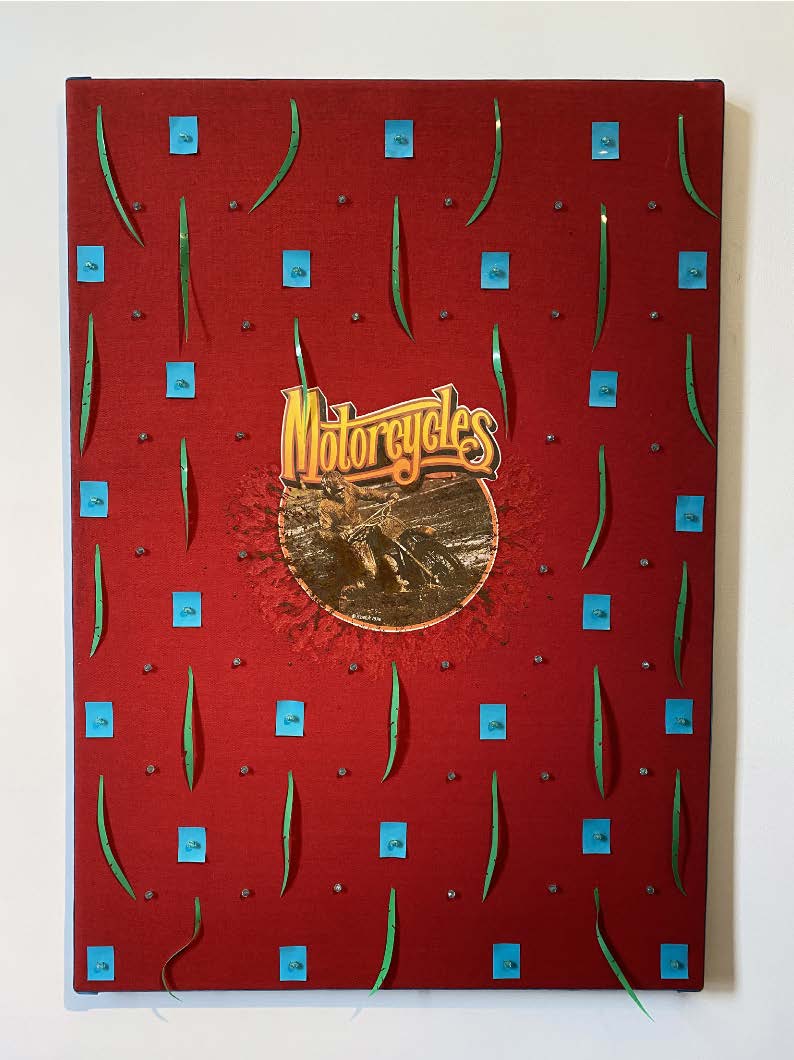
His motivation for establishing the gallery was to create a platform specifically for gay, lesbian, and queer artists. This brings me to Feliciano Centurion, another significant artist from El Rojas, who had a remarkable exhibition at the American Society just before the COVID outbreak and now has multiple shows in New York.
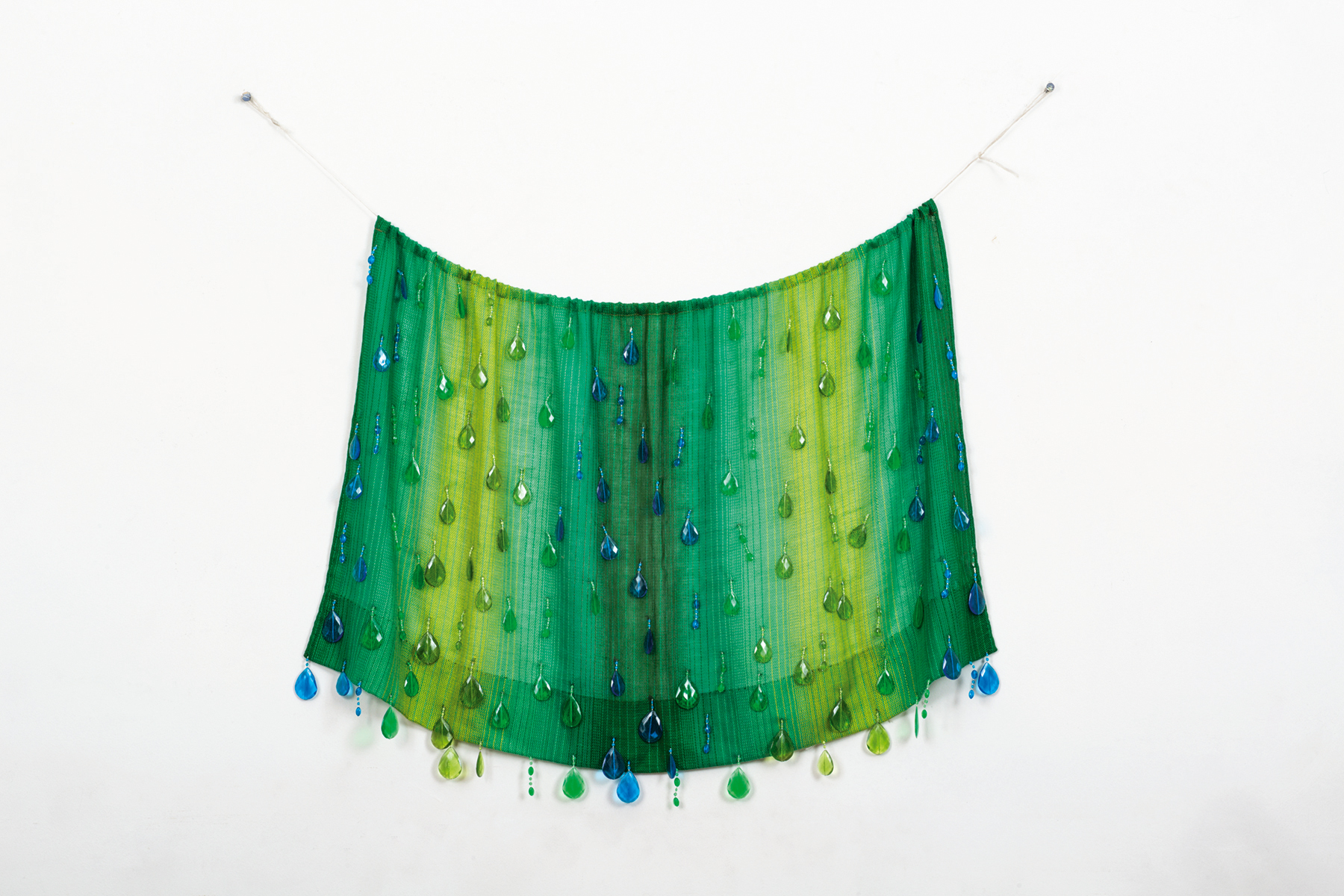
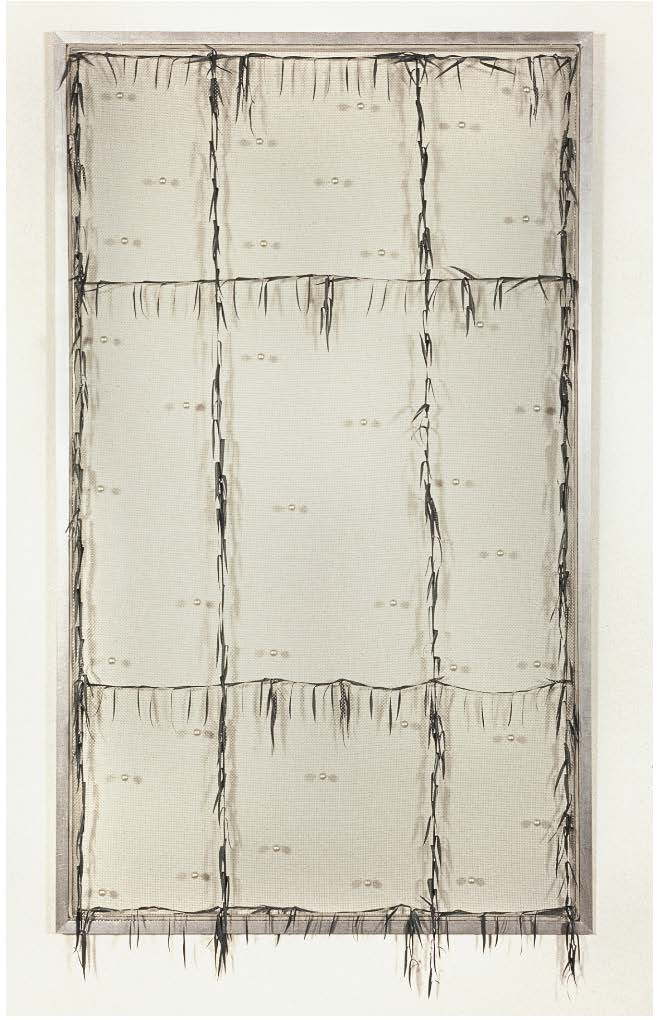
El Rojas represents more than just a category for artists; it encompasses a range of diverse practices. We've discussed El Rojas in abstract terms, but I want to highlight how these artists, like Omar Schiliro, transformed everyday objects, such as mass-manufactured lights, into meaningful sculptures. It's fascinating how these works, including Schiliro's, are not just about artistic expression but also convey personal stories and commentary on consumerism.
In Argentina, especially during the transition from dictatorship to a so-called democracy, there was a surge of material goods, yet many couldn't afford these symbols of 'democracy'. Artists at El Rojas responded to this with a critical eye, blending personal narratives with political statements. For instance, Cristina Schiavi’s work using stuffed animals from a dollar store poignantly commemorates friends lost during the dictatorship.
As we conclude this conversation, it's important to recognize that while El Rojas is often associated with its gay founders, like Maier and Pombo, female artists played a foundational role too. Fernanda Laguna, for example, was a younger member of the team whose work Maier admired.
Lastly, I want to touch on an exhibition I reviewed before the pandemic, featuring Laguna's work. Francisco Lemus, the curator and a Ph.D. researcher, emphasized the contributions of women, which were as crucial as the gay activism the gallery is known for. The 'Colección Fortabat' exhibition showcased this.
In summary, El Rojas was more than just a hub for queer activism; it was a melting pot of gay, feminist, and diversity activism. It provided a beacon of hope during a time when many were denied humanity. Being queer in this context was about embracing a broad spectrum of identities and experiences, offering a space of hope and expression during challenging times."
Despite the poor resolution of the image, it's important to note that El Rojas is not solely rooted in queer activism. It encompasses a blend of gay activism, feminist activism, and diversity activism. These diverse subjectivities had been denied humanity during the so-called return to democracy. El Rojas offered a small glimmer of hope for people in a situation where it wasn't a complete solution. Acknowledging its flaws, such as potential exclusions and people feeling invisible, it was, at its best, a hopeful space for those who had been denied humanity for two to three decades during the dictatorship. Furthermore, being queer in this context extended beyond a narrow definition of being gay; it represented a broad and expansive idea of queerness.
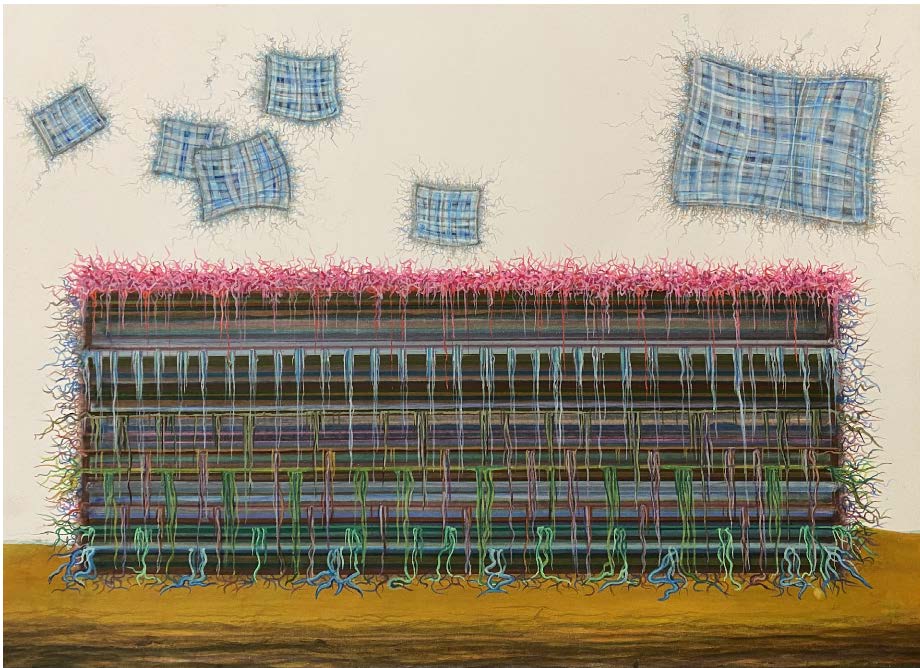
SK: There’s also a question of class here. Alejandra Seeber, how did you get involved with the Rojas?
Alejandra Seeber (AS): Certainly. When I first visited El Rojas to present my work, Jorge Gumier Maier wasn't immediately convinced that my style matched the gallery's aesthetic, which he leaned towards reflecting trends from the 90s or 2000s. Initially, I felt quite disheartened. My brother-in-law, a prominent writer who frequently contributed to 'Las Hojas del Rojas', often critiqued in his writings the tendency of curators to steer young artists towards contemporary styles.
Following this, I formed a close relationship with Schiliro, Maier's partner. Maier himself had a unique approach to art; he wasn't overly influenced by prevailing theories and favored a simpler style based on his personal preferences. He was particularly fond of white spaces, and his gallery showcased this with its somewhat chaotic, corridor-like layout.
Simultaneously, I was deeply involved in a cultural center, taking on various roles, including coordinating a project for Di Tella with a theater director and designing sets for experimental theater productions. After my involvement in multiple projects at El Rojas, I approached Maier again. This time, he was more receptive and agreed to display my work, although it didn't immediately catapult me to a status of renown.
KD: It almost sounds like something out of a story.
AS: Indeed, it does. Maier was focused on creating a distinct identity in the art world. He aimed for a modern, sleek look in the gallery, emphasized by the white décor. This contrasted with the popular styles of the time, which often incorporated everyday materials into art. While artists like Marcelo Pombo were experimenting with these techniques, Maier had very specific tastes. As a painter, persuading him to exhibit my work was challenging, but I eventually managed it. Towards the end of his life, he began to appreciate my paintings more. Currently, I'm preparing for an exhibition at Barro, where I'll be presenting some pieces that I never showcased before, including ones I had shown to Maier. He was particularly interested in what we called 'wigs' – these distinctive paintings that shared a similar aesthetic. That was my journey with El Rojas.
SK: The discourse at Rojas Gallery, under the curatorial vision of Gumier Maier, effectively integrated art and art criticism. It first rose to prominence in "Página 12," with the leadership of editor Miguel Briante and journalist Fabián Lebenglick. The symposium "¿Al margen de toda duda?" at "El Rojas," led by Marcia Schwartz, Dulio Pierri, and Felipe Pino, together with contributions in La Maga magazine by Hernan Amerijeiras, further expanded its influence.
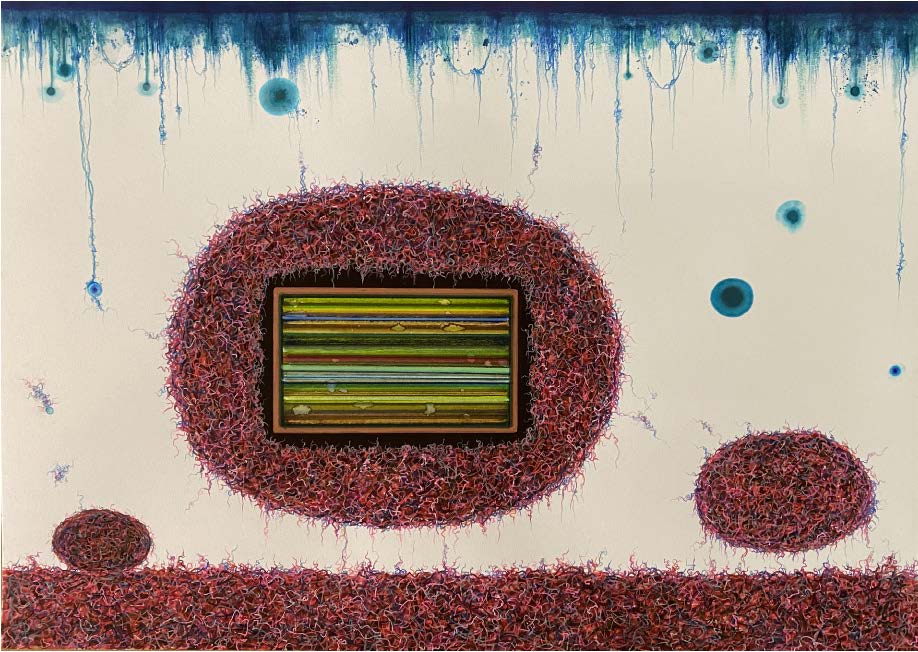
In this period, Lopez Anaya introduced the term "arte light," leading to variants like rosa light, cursi, and arte kitsch. French art critic Pierre Restany coined "arte guarango" in his article for the Spanish magazine Lápiz. From 2000 to 2010, Ramona magazine was instrumental in shaping the El Rojas "myth," with one of its founders being a significant collector of Rojas art. This period also marked the start of young researchers writing papers and theses on The Rojas.
Artists at Rojas Gallery, through their essays and articles, provided diverse definitions, organized concepts, and classified objects, thereby profoundly influencing 1990s art criticism. Their theoretical methods, though appearing simplistic and confined to a limited conceptual framework, had a deep impact on the art scene. They introduced a fetishistic approach, merging practices and social dynamics with objects, creating broad, stable categories within the discourse. This approach significantly affected institutions and inspired new generations of artists.
The Rojas Gallery also had a lasting impact on newer generations of artists, like Fernanda Laguna. After exhibiting as a young artist at Rojas, Laguna co-founded Belleza y Felicidad with Cecilia Pavon (1999-2007), drawing inspiration from El Rojas for artist-run spaces. Despite Rojas being an external facility of The University of Buenos Aires, the operation of these spaces required substantial commitment and energy from the artists. This model led to the establishment of galleries such as Appetite (since 2005-2010) and UV Studios (since 2015-2019). Additionally, the Rojas Gallery was featured in the "Recovering the Beauty; The 1990s in Buenos Aires" exhibition at the Blanton Museum in Austin, Texas, curated by Ursula Davila-Villa, showcasing artwork from Argentina in the 1990s, including pieces from The Rojas.
Despite its straightforward appearance, the Rojas Discourse initiated various reconfigurations and debates. Its legacy continues, influencing current institutions and artistic perspectives. It reshaped not only the artistic field but also the perception and interaction with art, confirming its importance in contemporary Argentine art. Rojas Gallery, through its discourse, became a key institution, mirroring and contributing to the cultural and political shifts of its era, playing a crucial role in defining and promoting contemporary art in Argentina.
In conclusion, our Tertulia at Barro Gallery has offered a deep dive into the concept of "Expanded Queerness," particularly within the vibrant art and activism scenes of Buenos Aires and São Paulo during the 1980s and 1990s. Our exploration went beyond traditional understandings of queer identity, acknowledging a spectrum of marginalized experiences. This broadened perspective emphasizes the intersectionality of various struggles, highlighting the need to consider gender, race, ethnicity, age, and class in our discourse on queerness.
The Rojas Gallery, under Gumier Maier's leadership, stood out as a pivotal space that both mirrored and influenced the cultural and political shifts of its time. The gallery's role in nurturing diverse artistic voices and stimulating discussions around art, curating, and criticism demonstrates the significant impact of art in driving societal change.
Furthermore, the concept of a "secret language" in art, serving as a subtle medium for political expression, accentuated the need for contextually nuanced approaches to queerness. Our discussion underlined the importance of acknowledging and respecting the distinct histories and cultural intricacies of queer movements, especially in South and Central America.
Marcelo Pombo's "Artisanal Conceptualism: Starting Point" exhibition at Barro Gallery is a contemporary manifestation of these themes. It invites the audience to immerse themselves in a rich tapestry of identities and experiences, articulated through art.
Overall, the Tertulia has reaffirmed the notion that art transcends mere societal reflection; it is a dynamic force for change. It compels us to expand our horizons, embrace a multitude of narratives, and actively contribute to fostering a more inclusive and empathetic world.
About the participants
Biographical notes reproduced from the original publication. Institutional roles refer to the time of the conversation.
KERRY DORAN is a critic, curator, and organizer based in New York/Lenapehoking. Their research focuses on a critically and broadly conceived idea of Latin America and its visual culture. Collaborating with and foregrounding LGBTQIA+ practitioners, Doran writes on digital and proto-digital networked communities, mass media and popular culture, identity and (self-)representation, performance, and subversive artistic strategies. Doran’s exhibitions and projects have been featured in Artforum, ARTNews, Clarín, New York Magazine, the New York Times, Página/12, ramona, Rhizome, and The Village Voice, among others. They have also partnered with ArtRio, the Bemis Center for Contemporary Art, Colección Fortabat, National Geographic, UNTITLED, and UV Estudios, where they were the first curator-in-residence.
SYD KROCHMALNY is a multidisciplinary artist, writer, researcher, curator, musician, and Professor of Arts, Literature, and Sociology. He completed his Postdoctoral Studies at Columbia University in New York City, and holds a Ph.D. in Social Sciences, a master’s degree in Communication and Culture, and a bachelor’s degree in Sociology from the University of Buenos Aires. Krochmalny’s multimedia work has been exhibited at the Reina Sofia Museum, Harvard University, David Rockefeller Center, the MALBA, the Americas Society, Cultural Center of Memory Haroldo Conti, Remembrance Park, University of Oslo, Universidade Federal do Rio de Janeiro, MAC de Niteroi, Pinacoteca San Pablo, The University of Edinburgh, Museum of Contemporary Art in Buenos Aires, among others. Krochmalny has published several books, including “Journals of Hate” (2016), “Weak” (2017), “The Dreams” (2018), “The Size of My World” (2021), and “Ramona, Debates in the Art on the Edge of the Millennium” (2021). He has also written a prologue for “Crypto Currency and Sovereignty” (2022) and has been involved in magazine projects such as editor of Ramona, co-founder and editor of Jennifer Magazine, and co-founder and editor of the CIA magazine (Center for Artistic Research). Krochmalny has received a fellowships by the Argentinian Research Council CONICET, and has served as a Professor and Researcher at various institutions including the Gino Germani Institute and the Institute of the Theory and History of Art Julio Payró at the University of Buenos Aires, The Latin American Council of Social Sciences (CLACSO), and the University of Avellaneda. Krochmalny has delivered lectures at universities such as Harvard University, Columbia University, New York University, Rutgers University, University of Oslo, Edinburgh University, Stirling University, and the Americas Society. In Buenos Aires, Krochmalny has played a vital role in the art education culture as a contributor to the Center for Artistic Research (CIA), nurturing many of Argentina’s most prominent artists.