
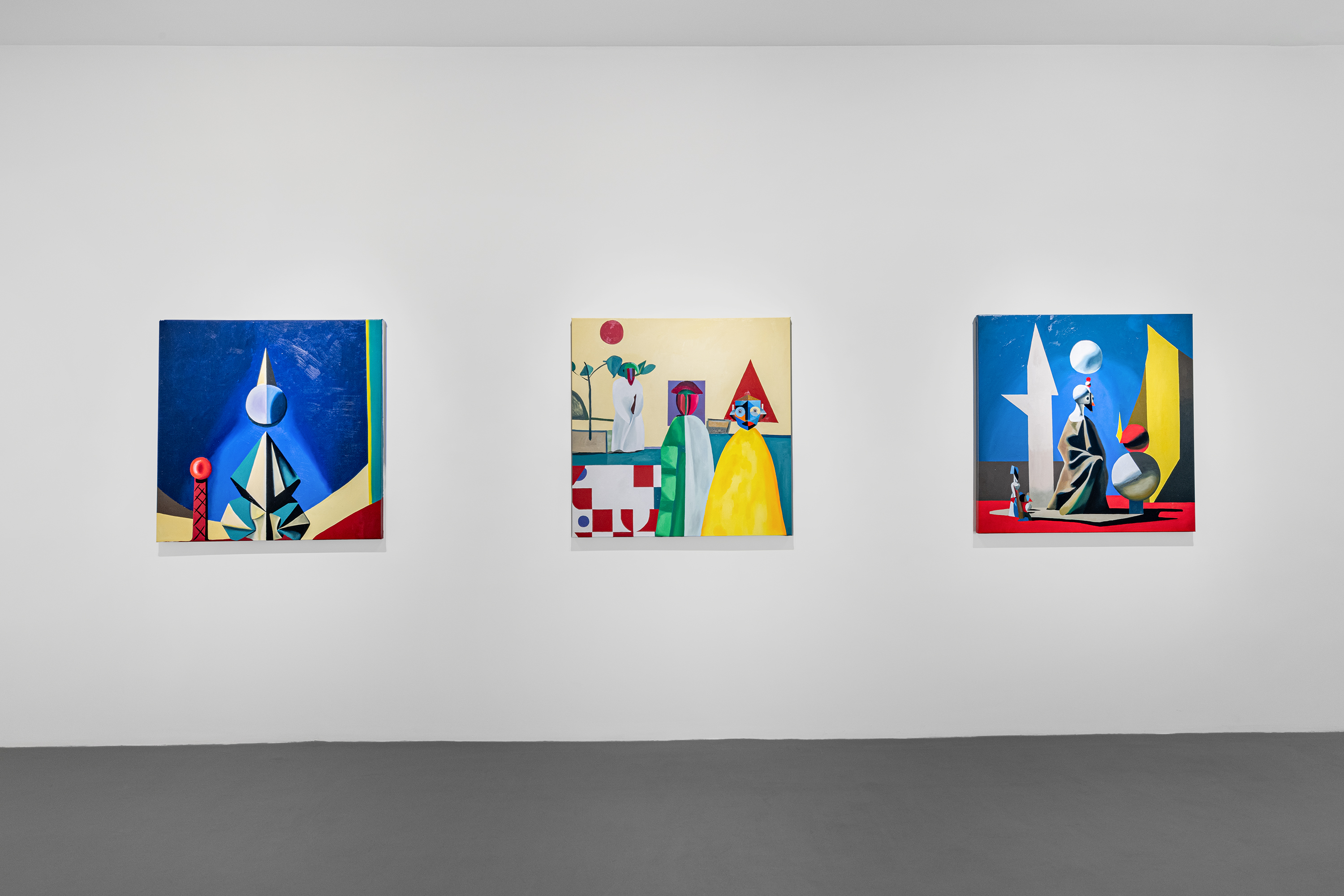
The Slip, located in New York’s iconic South Street Seaport, stands as a key space where the creative memory of the neighborhood converges with contemporary avant-gardes. Once home in the 1950s and 1960s to artists such as Robert Indiana, Ellsworth Kelly, and Agnes Martin, this corner now revives that spirit through new proposals that engage with the present. The Slip is not only a meeting point between past and present but also a platform for experimentation and the continual renewal of creative ideas.
Far from being trapped in nostalgia, The Slip integrates history in a subtle way, like a spectral echo resonating through its physical space. Its exhibitions suggest a continuity of artistic experimentation, allowing new generations to claim the creative legacy that once defined the neighborhood. This interplay between the historical and the contemporary fosters an active conversation about the evolution of art and its relation to global dynamics and urban communities. Ultimately, it is a space where history and innovation amplify one another.
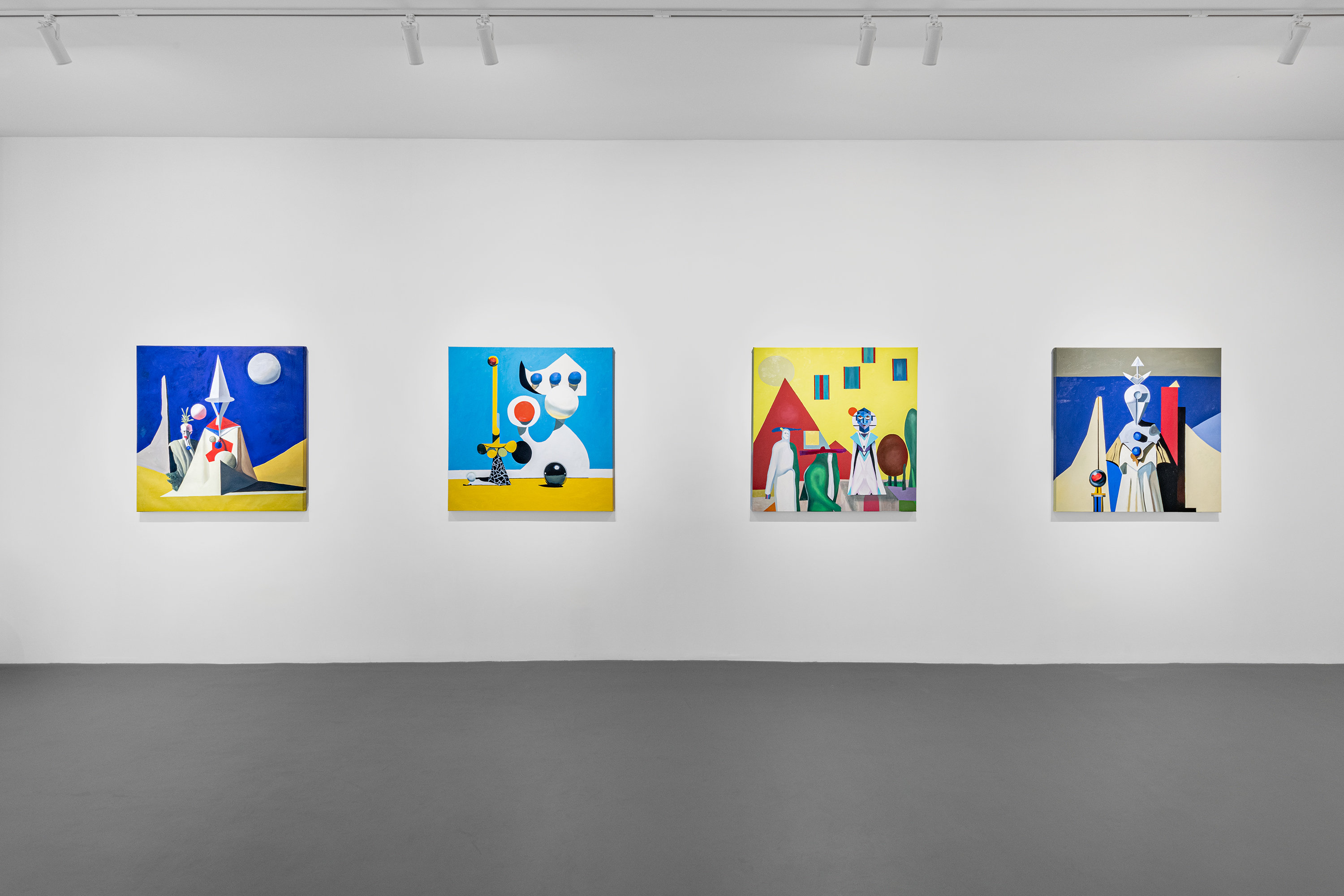
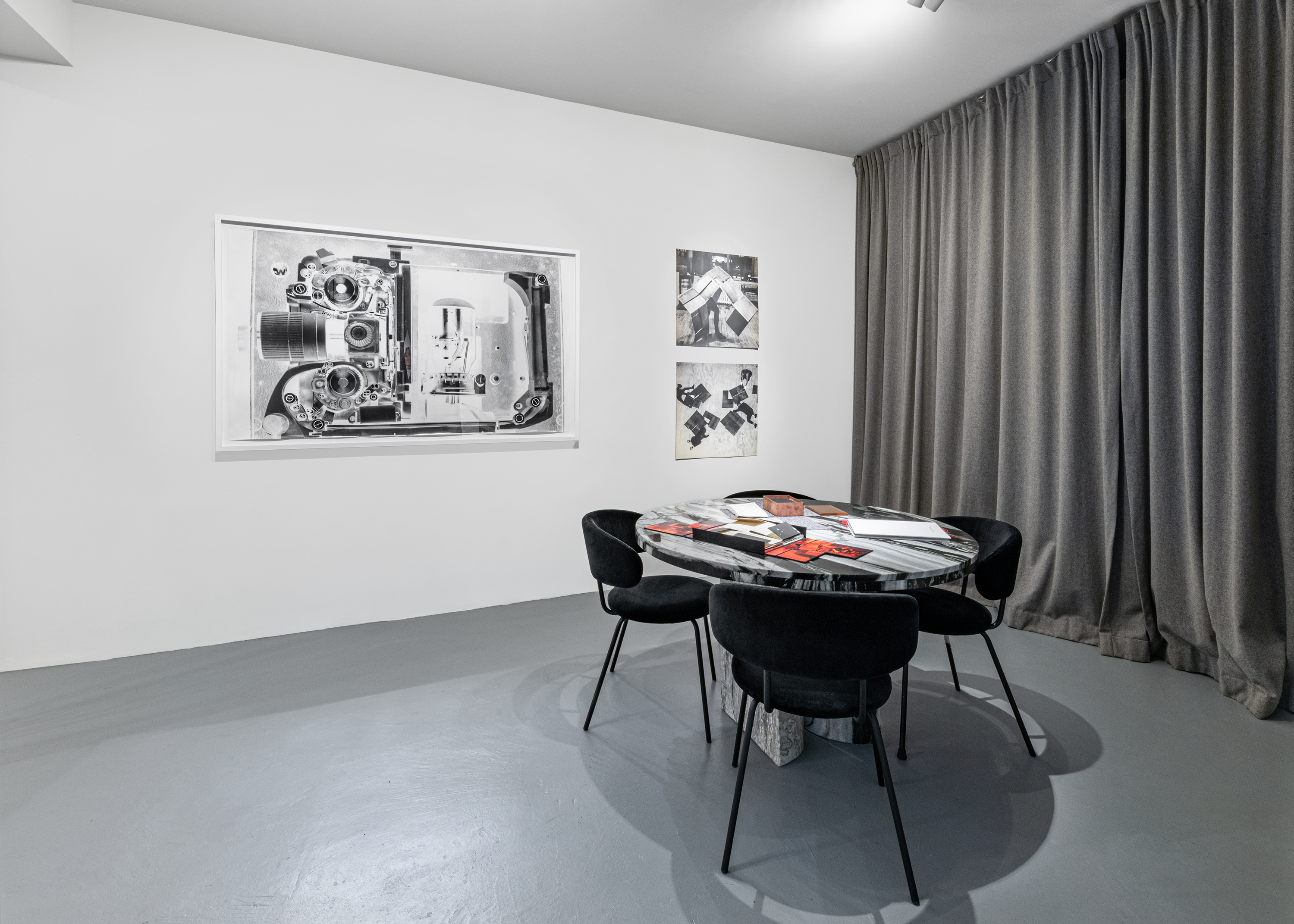
One of The Slip’s major exhibitions is Syd Krochmalny’s project Parallel Avant-Gardes. Initiated in 2018, this work asks what might have happened if certain avant-garde movements, only sketched in their time, had reached full maturity. Krochmalny not only reimagines art history but also gives visual form to speculative movements such as Scientifism, Magism, and Pluralism—movements that emerged in Paris at the turn of the twentieth century but never consolidated. Through this counterfactual exercise, the artist invites viewers to reconsider art history and its omissions.
Krochmalny’s proposal goes beyond mere speculation. By imagining how these movements might have developed, he offers an implicit critique of the hierarchies and exclusions embedded in the official chronology of art. Scientifism merges scientific principles with artistic forms; Pluralism embraces the coexistence of multiple styles within a single work; and Magism proposes a fusion of mysticism and the visual arts. These speculative pathways not only expand our understanding of art but also challenge the notion of history as a closed and immutable narrative.
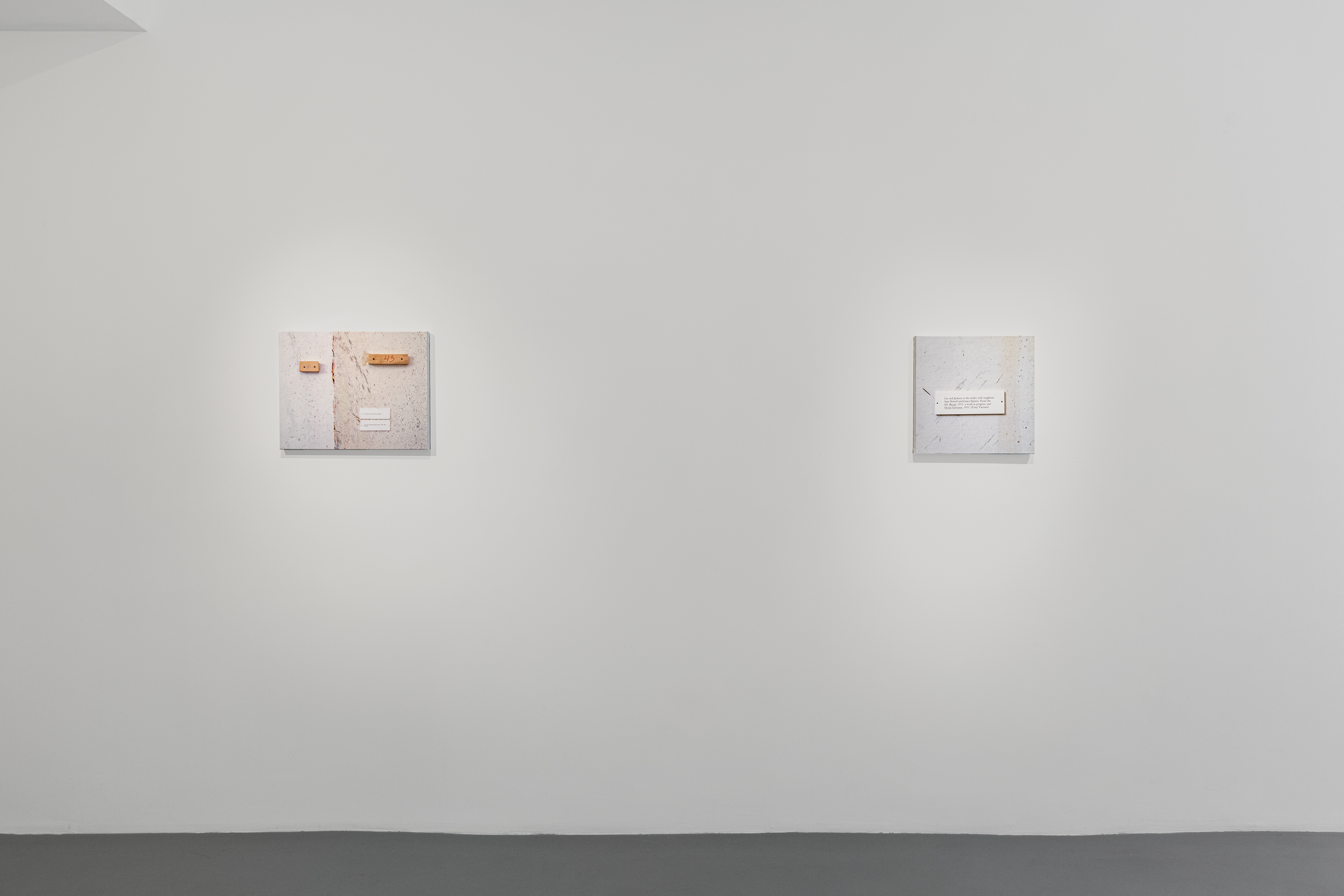
The second major exhibition, Krasner-Pollock: Accidental Paintings, A Catalogue Raisonné by Warren Neidich, focuses on the material accidents and residues of Lee Krasner and Jackson Pollock’s creative process. Neidich documents the paint splatters left in their studio, revealing abstract patterns on walls and floors that arose unintentionally as by-products of artistic creation. Rather than treating these marks as mere remnants, Neidich recontextualizes them as works in their own right, questioning the boundaries between intentionality and chance in art.
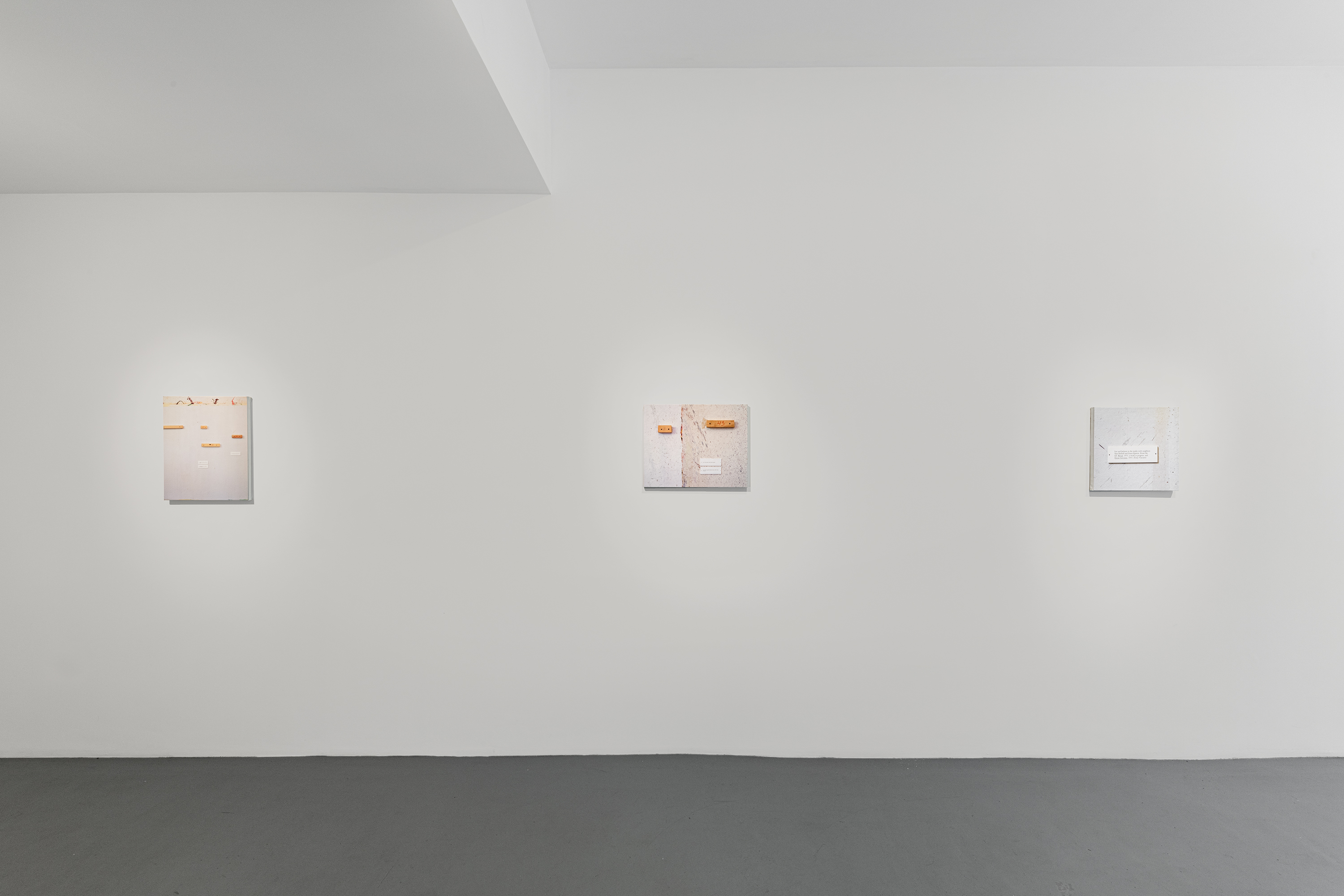
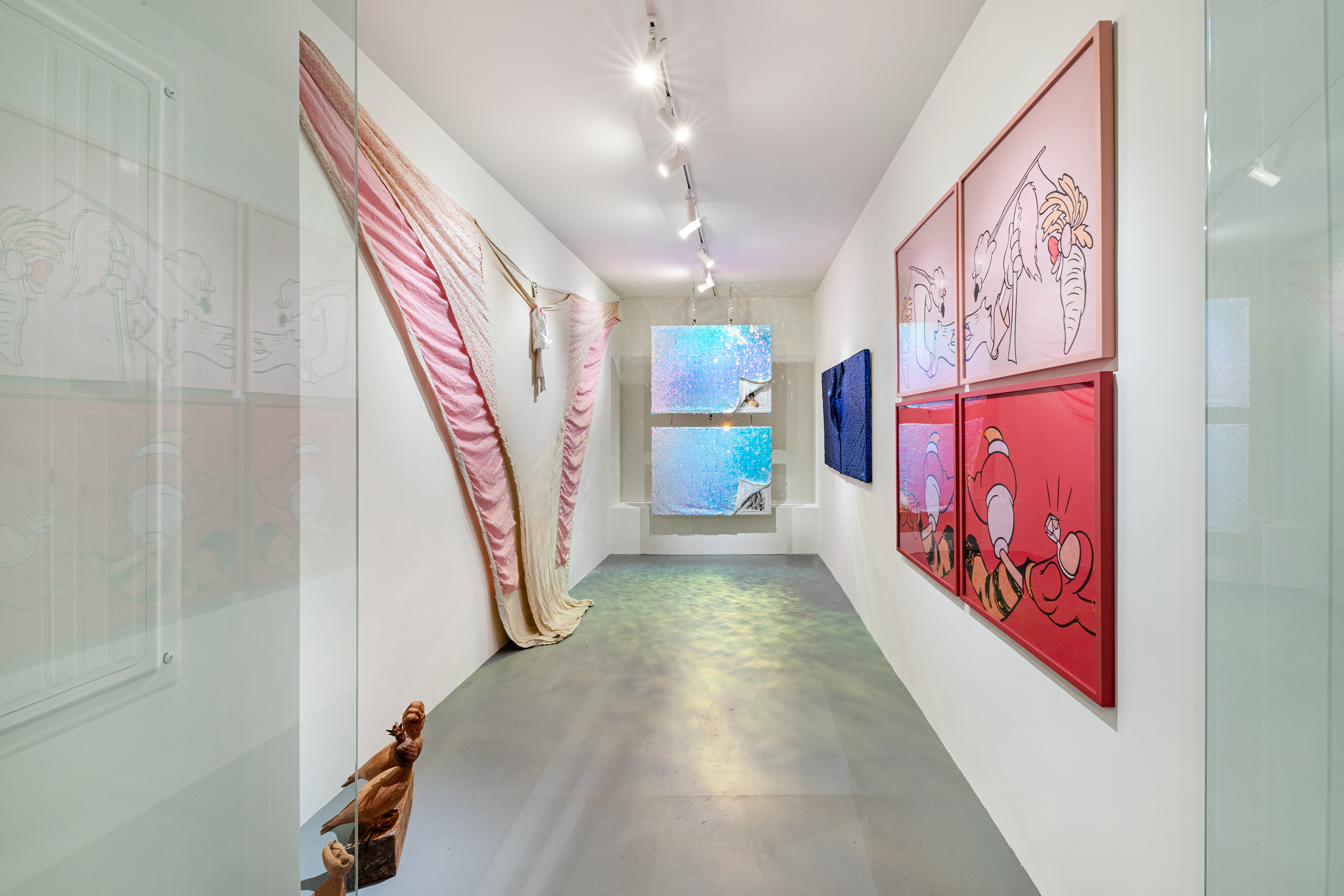
The juxtaposition of Krochmalny’s and Neidich’s exhibitions generates a complex dialogue that prompts a reconsideration of creative processes and canonical art narratives. While Krochmalny unfolds images born from absent texts, Neidich uncovers the text and context of images that no longer exist. This critical reflection on authorship and accident transforms the viewer’s experience—further enriched by works from contemporary artists such as Elena Bajo, Reinaldo Laddaga, María Verónica San Martín, Manuela Viera-Gallo, Catalina Schliebener Muñoz, and Pedro Claudio Wainer—reinforcing The Slip’s commitment to artistic exchange in New York.
Translation from the English original