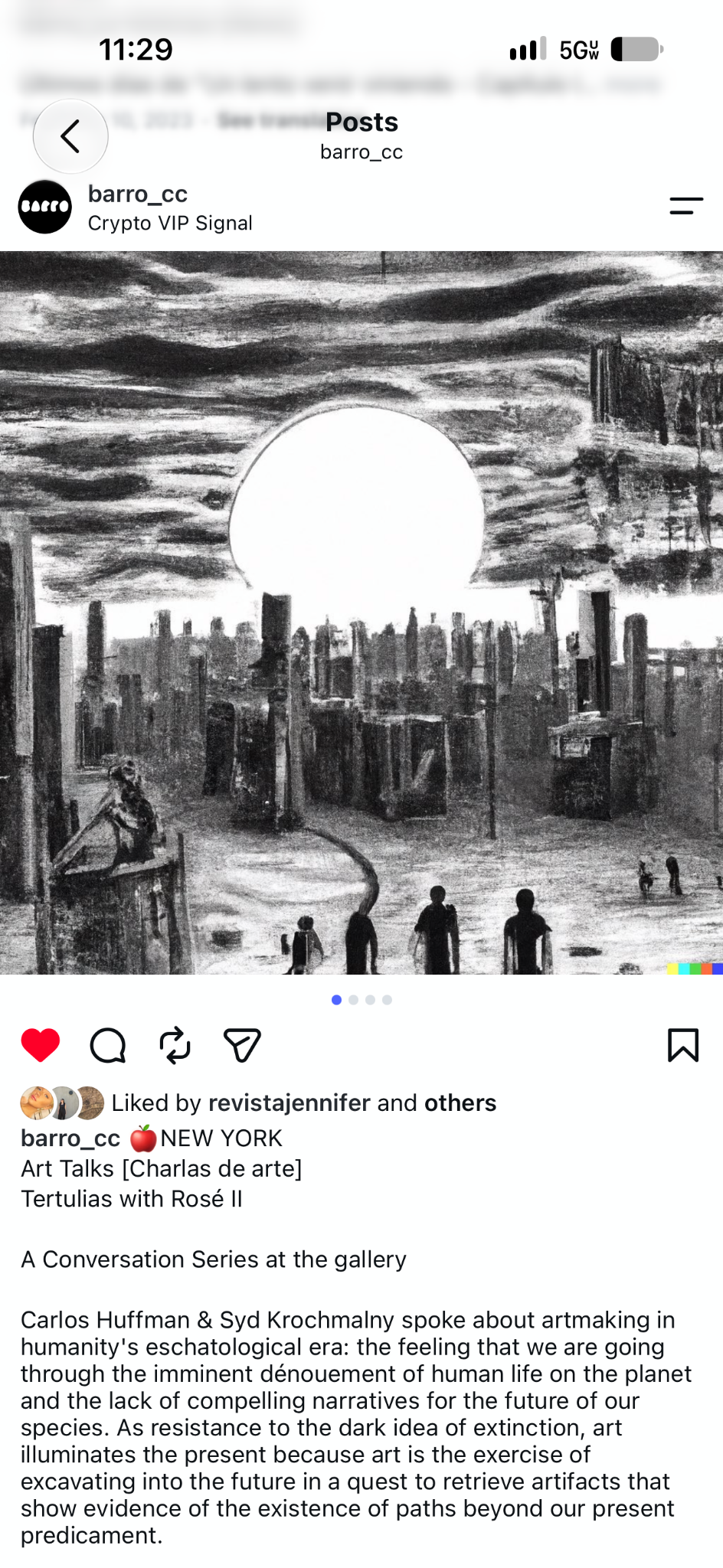
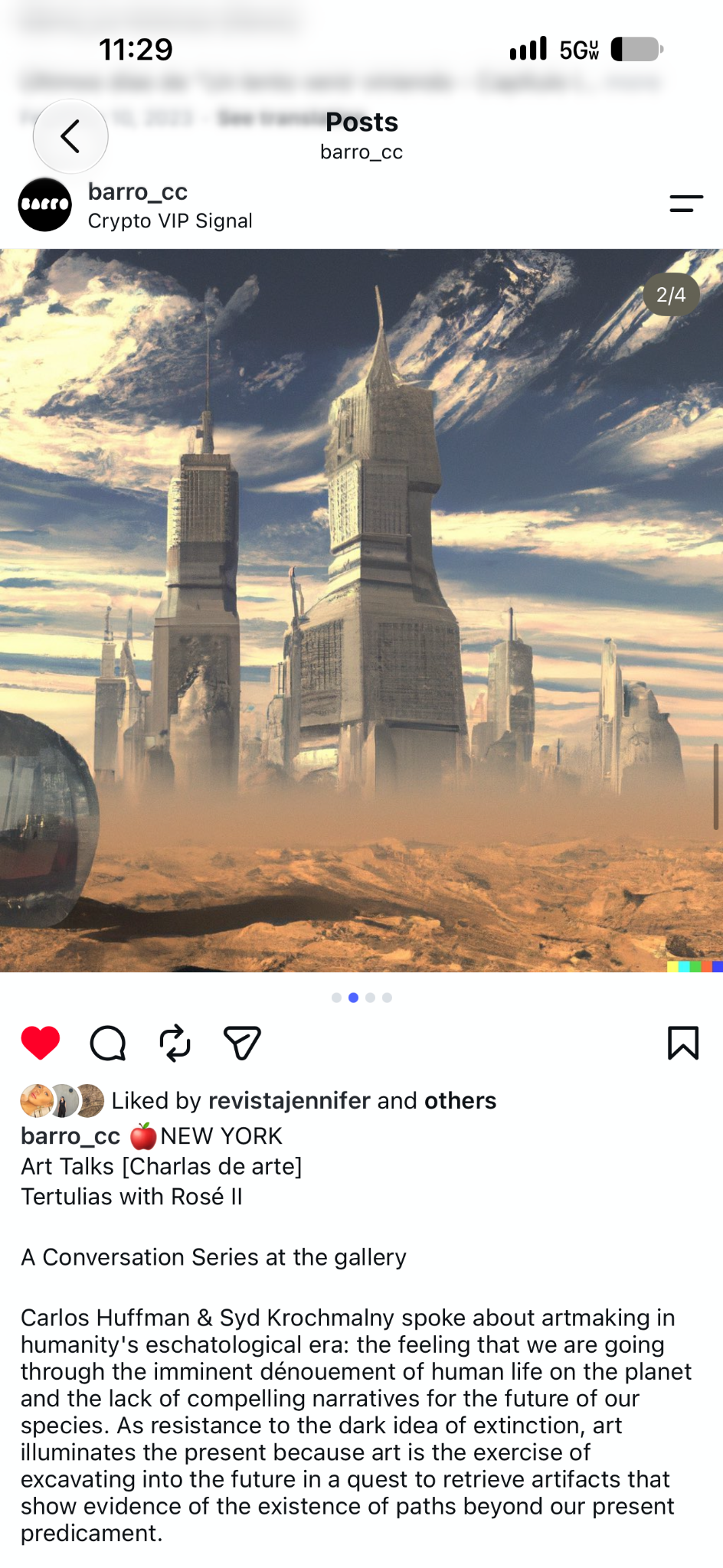
We were invited to excavate the future, and ruins turned up. I don't mean that metaphorically. After the second Tertulias with Rosé, Carlos Huffmann and Syd Krochmalny used DALL·E to generate images from ideas in their conversation in January 2023. Barro published them a few weeks later. There were cities, dust, towers, architecture somewhere between a temple and a collapse, a relief crowded with figures. The future had quite a lot of antiquity on it.
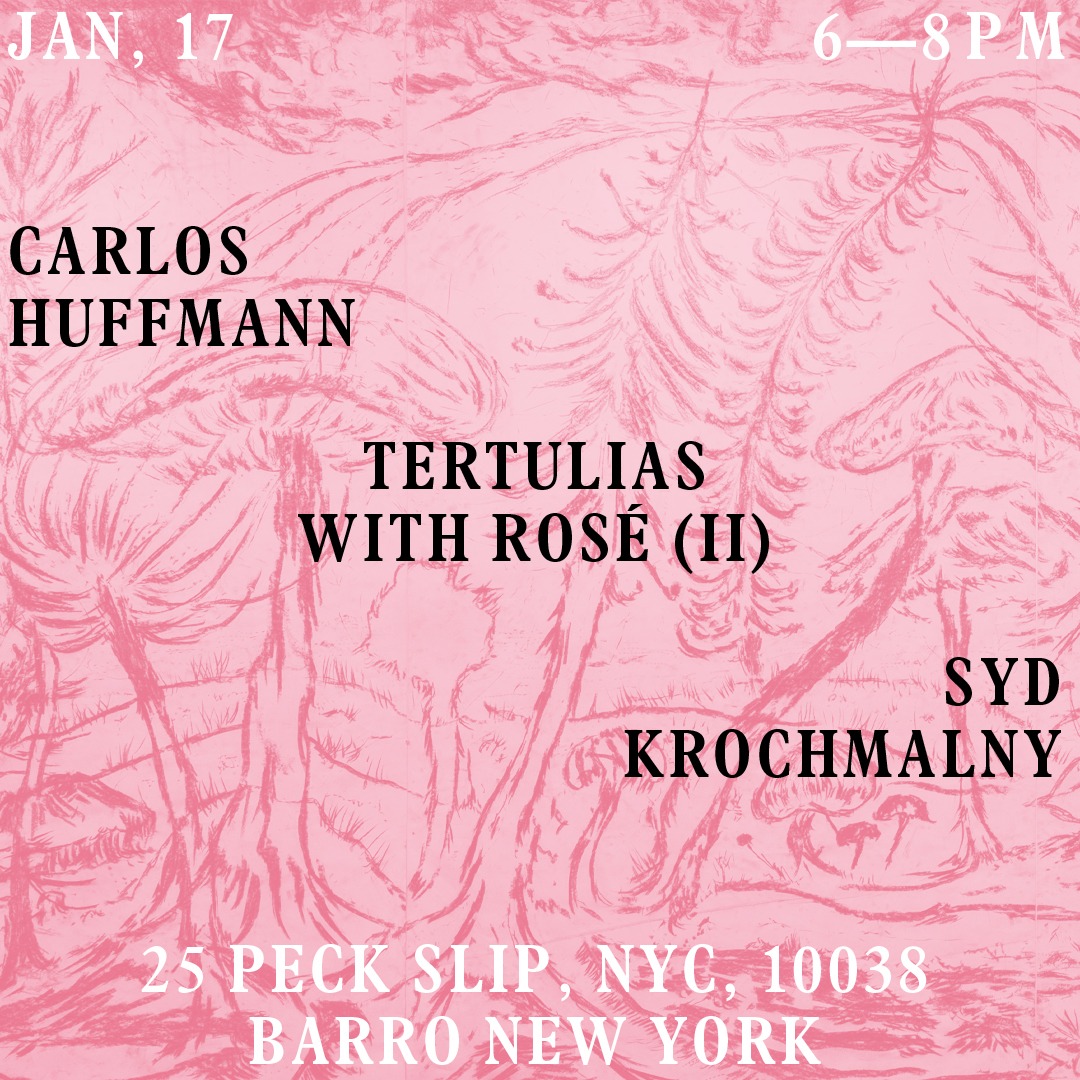
On January 17, 2023, at the gallery on Peck Slip, we had been talking about an eschatological age. The word promises an ending: humanity approaching its final act, artists trying to imagine something other than another variation on extinction. Huffmann and Krochmalny's conversation coincided with the close of Futurity. I went to listen. The images arrived later and, in a way, answered for themselves.
The promise was demanding. If art could try out other ways of living, we had to ask it for more than a good picture of our disappearance. I like ruins. Apocalyptic lighting suits me, too. But looking gorgeous after a catastrophe doesn't mean you can help us think our way through it.
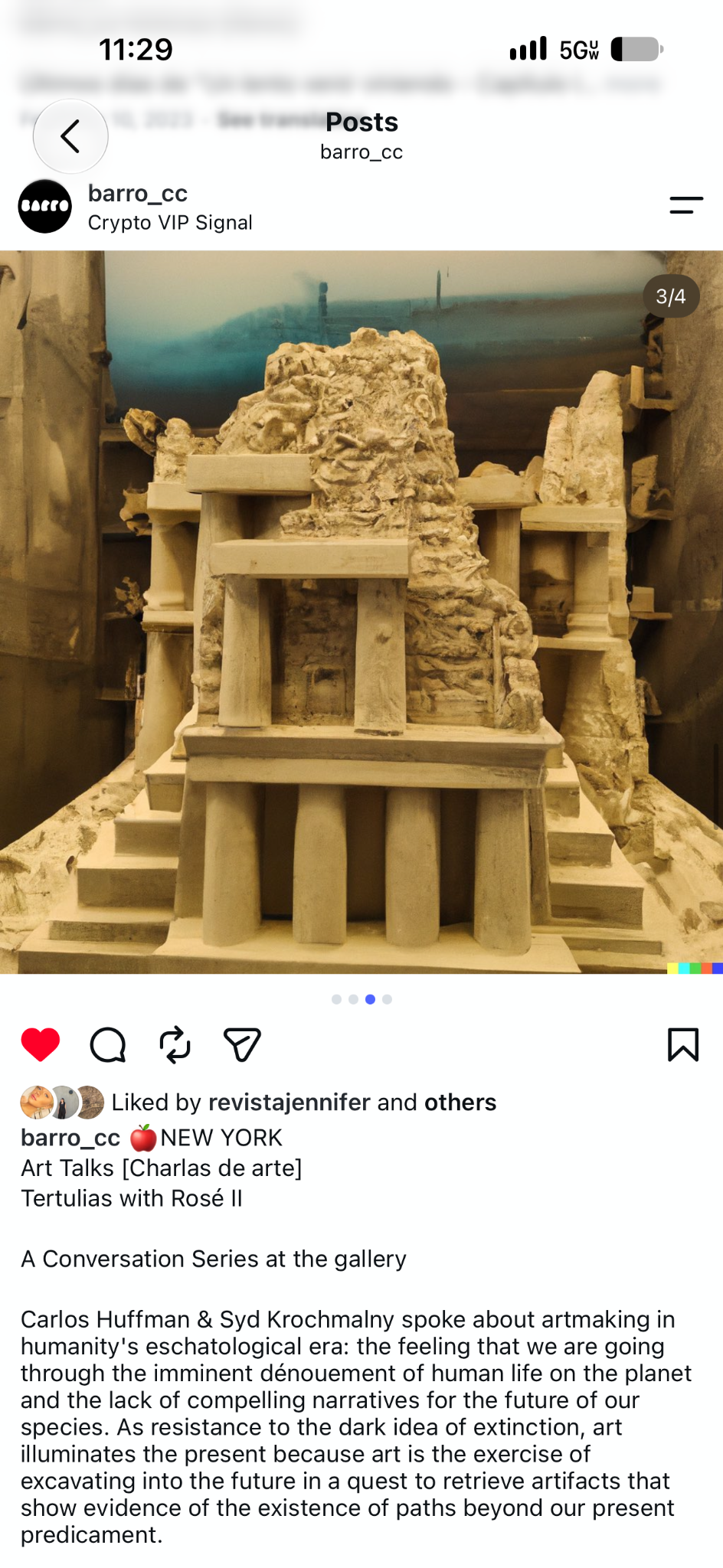
On February 9, Barro published four images. The first places a white sphere over a dark city and small human figures. In the next, towers and a golden sky promise something solemn, though we can't tell whether we're arriving at a civilization or picking through its remains. Then an architecture seems to grow out of its own collapse; finally, bodies crowd together in a relief. I recognize monuments, science fiction, archaeology. The future changes outfits, but I know the wardrobe.
I asked them where the prompts had come from: their conversation with each other. That makes the experiment more interesting than a display of technical skill. Between the conversation and the result, decisions were made: which idea to put into words, what to ask the system for, which image to keep, which ones to publish together. The machine took part in a chain of choices. What interests me is what they chose to show us.
What I see leaves me with a question: how much of that future comes from the conversation, and how much from the visual habits through which we learned to recognize a future? We give a machine a concern, and it comes back with a repertoire. Sometimes that repertoire surprises us; sometimes it gives us back, better lit, the set we were already thinking inside. That's why these images interest me as part of the problem under discussion. They let us examine the distance between wanting to imagine something different and managing to see it.
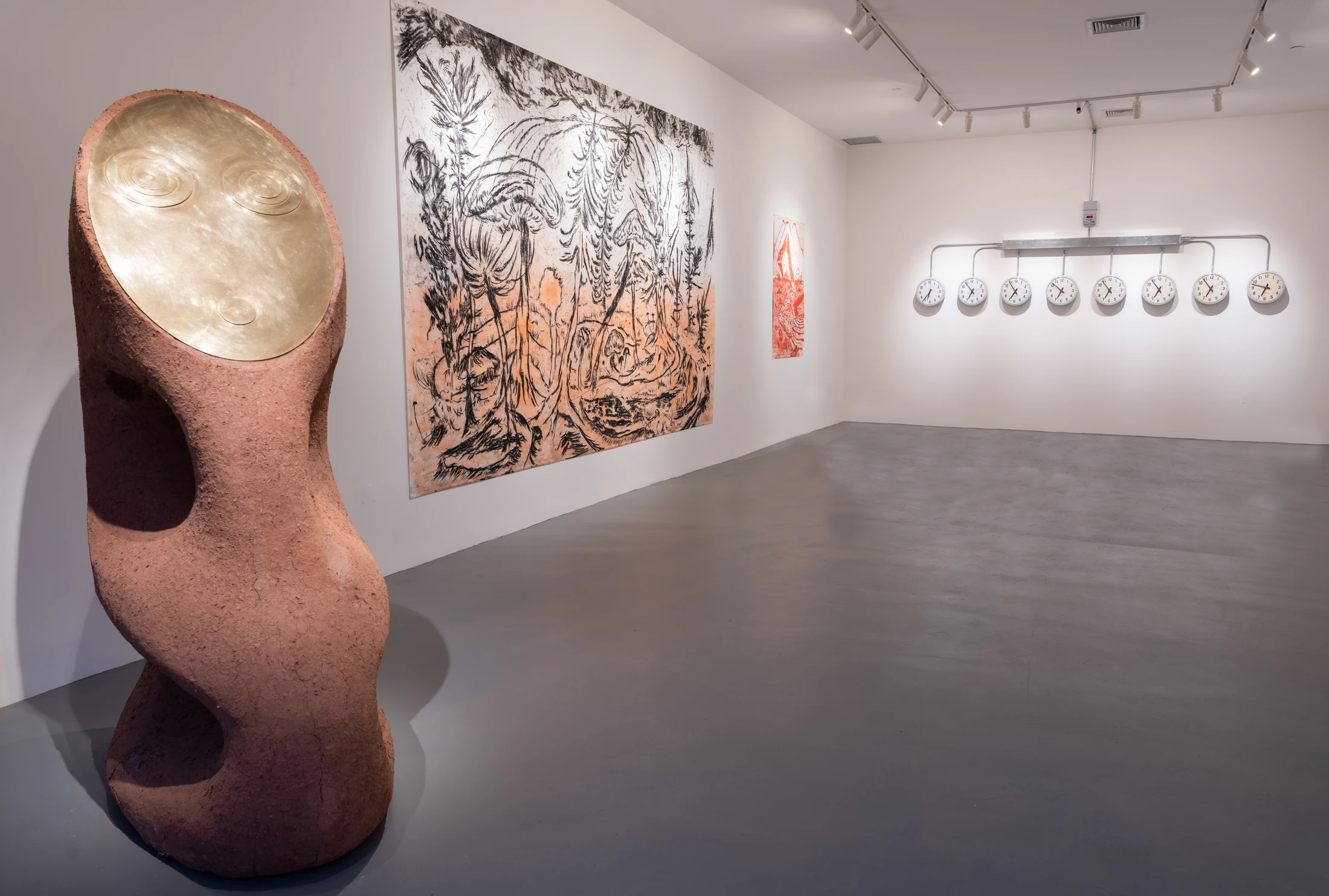
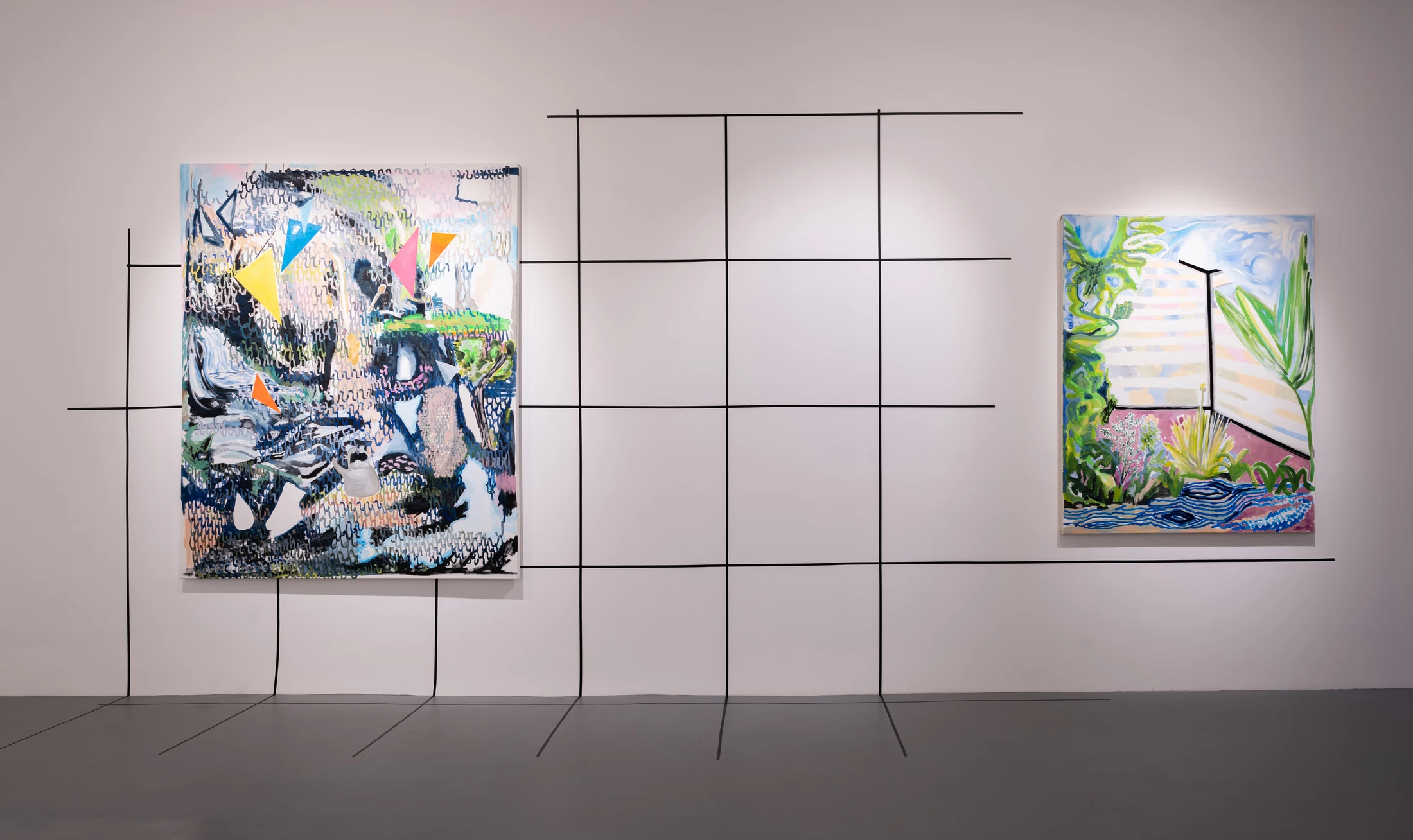
The discussion was already moving between Buenos Aires and New York. On November 2, 2022, Futurity, Barro’s inaugural exhibition, had opened, curated by Syd Krochmalny. Nine days later, Krochmalny took part by video link in the Fallas y fronteras symposium at Universidad Torcuato Di Tella, speaking about the future of art and humanity. Huffmann, who directed the symposium with Tomás Borovinsky, had curated Outsideness with Laura Ojeda Bär and Alejo Ponce de León. There, a mutant collector’s home brought together objects and images that scrambled art’s usual classifications. The two shows shared a suspicion: imagining the future also means questioning the forms we use to imagine it. The gathering at Barro carried that conversation between the two artists forward. Turning to AI put the problem to work: what to ask it for, what to keep from what it gives back, who decides which of those images count as art.
In 2025, the symposium papers were collected in ¿Hay algo que no esté en crisis? Arte y pensamiento en la era del cambio acelerado y sin fin, edited by Huffmann and Tomás Borovinsky and co-published by Siglo XXI and UTDT's Art Center. The contents include an essay by Huffmann on producing meaning in times of digital hallucination and, by Krochmalny, Futurity: el giro escatológico de las artes. The book comes from the Buenos Aires symposium; the New York gathering was another moment in that ongoing exchange.
I'm reading the editors' introduction now. Their diagnosis brings together technological transformations, climate crisis, precarity, and shifts in authorship; the pandemic appears as an acceleration of processes already underway. I'm interested in a reading that doesn't wait for normality to return intact. But I'm also troubled by how easily “crisis” becomes the name for everything. If everything is in crisis, it gets harder to distinguish who's losing a way of life, who's losing a privilege, and who's making money on the difference.
That distinction matters to art. A growing number of image-makers may unsettle an institution used to controlling admission, while opening up a possibility of work for others. Speed can be a form of exploitation and a commercial advantage. The vocabulary of the end gathers us under a shared threat; the decisions that produce or deepen that threat have people responsible for them, beneficiaries, and unequal effects. We'd do well not to let humanity get in the way of seeing people.
Which is why I return to those images and where they came from. Two artists talk about what's coming; they turn part of the exchange into instructions; a machine makes images; the artists select a few; the gallery circulates them. Now I'm publishing them in a magazine that also has to decide what to do with AI. There's no outside position from which to mock other people's choices: the next selection may be mine. Speculation changes hands, and at every step someone decides what deserves to circulate.
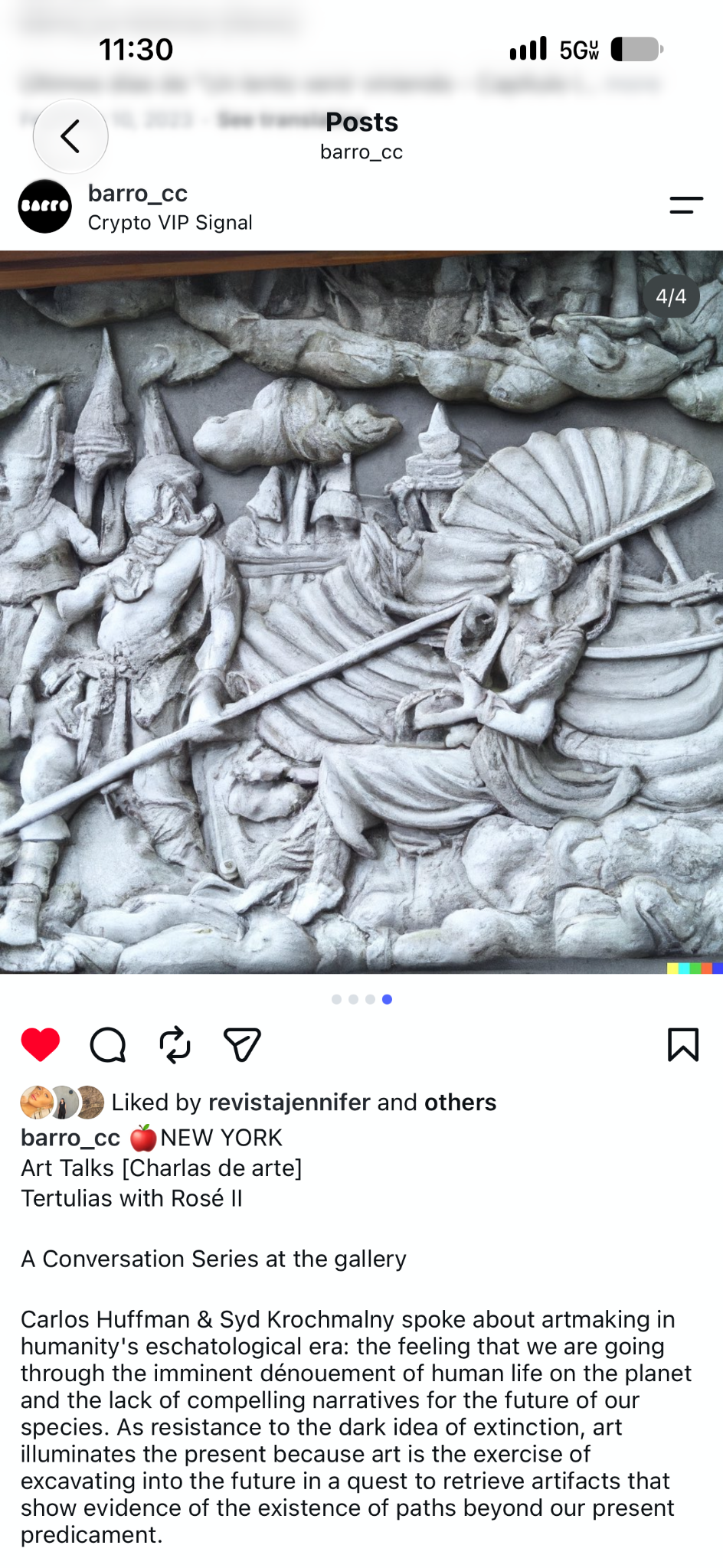
I don't know whether those cities show us a possible future. They show me a present difficulty: how much we depend on inherited forms to recognize what doesn't exist yet. The machine is nostalgic, too. The next time we ask it for the future, we might ask ourselves which part of our past we're commissioning it to repeat.
From the event archive
Related reading: Carlos Huffmann: Outsideness · ¿Hay algo que no esté en crisis? — contents and introduction · Fallas y fronteras — UTDT.