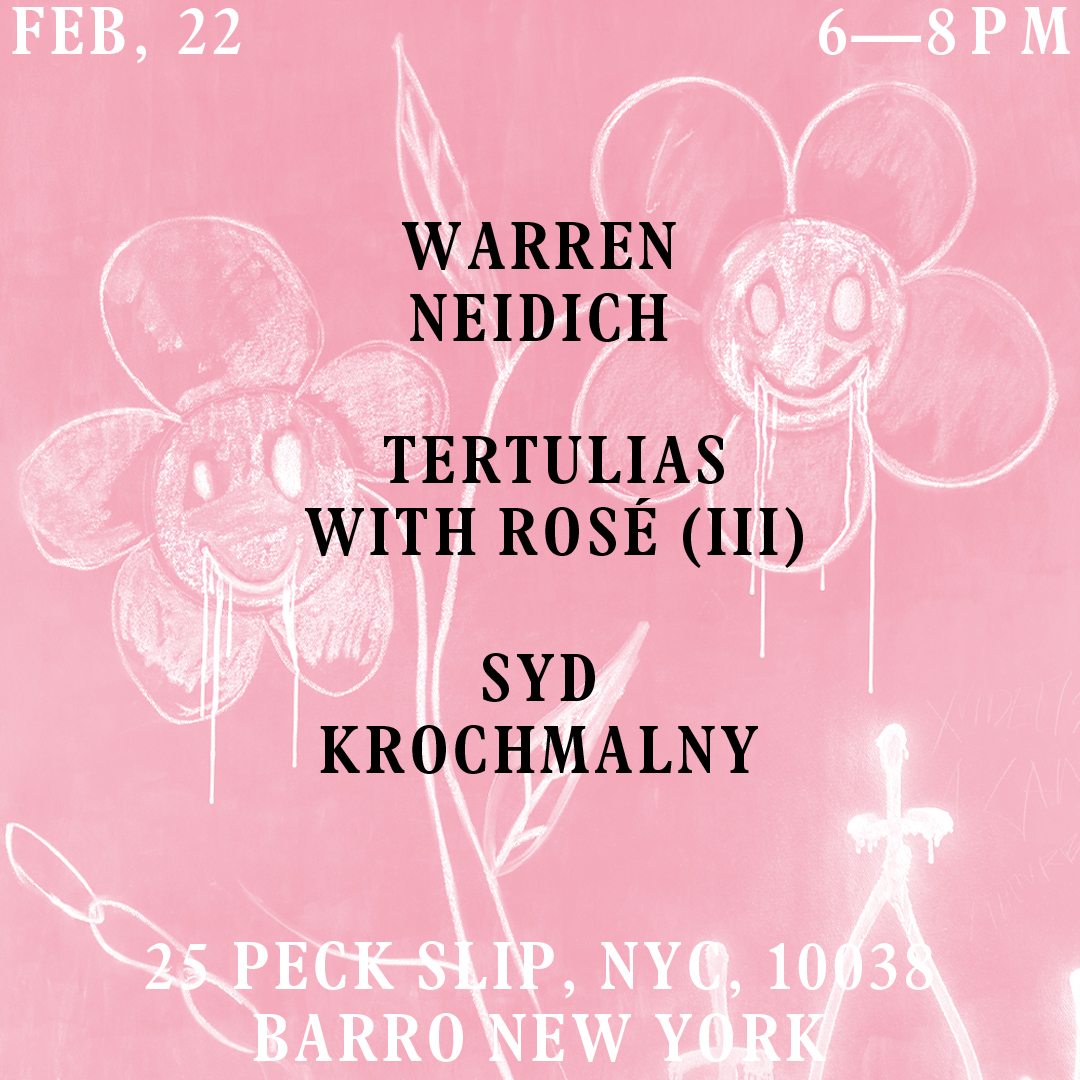
Tertulias with Rosé is a series of public conversations created and hosted by Syd Krochmalny at Barro, New York. Starting with the exhibitions at the gallery, artists, curators and writers discuss art, politics, literature and the ways forms organize perception and collective life. The conversations were recorded, transcribed and edited for publication.
Conversation held in 2023.
The conversation
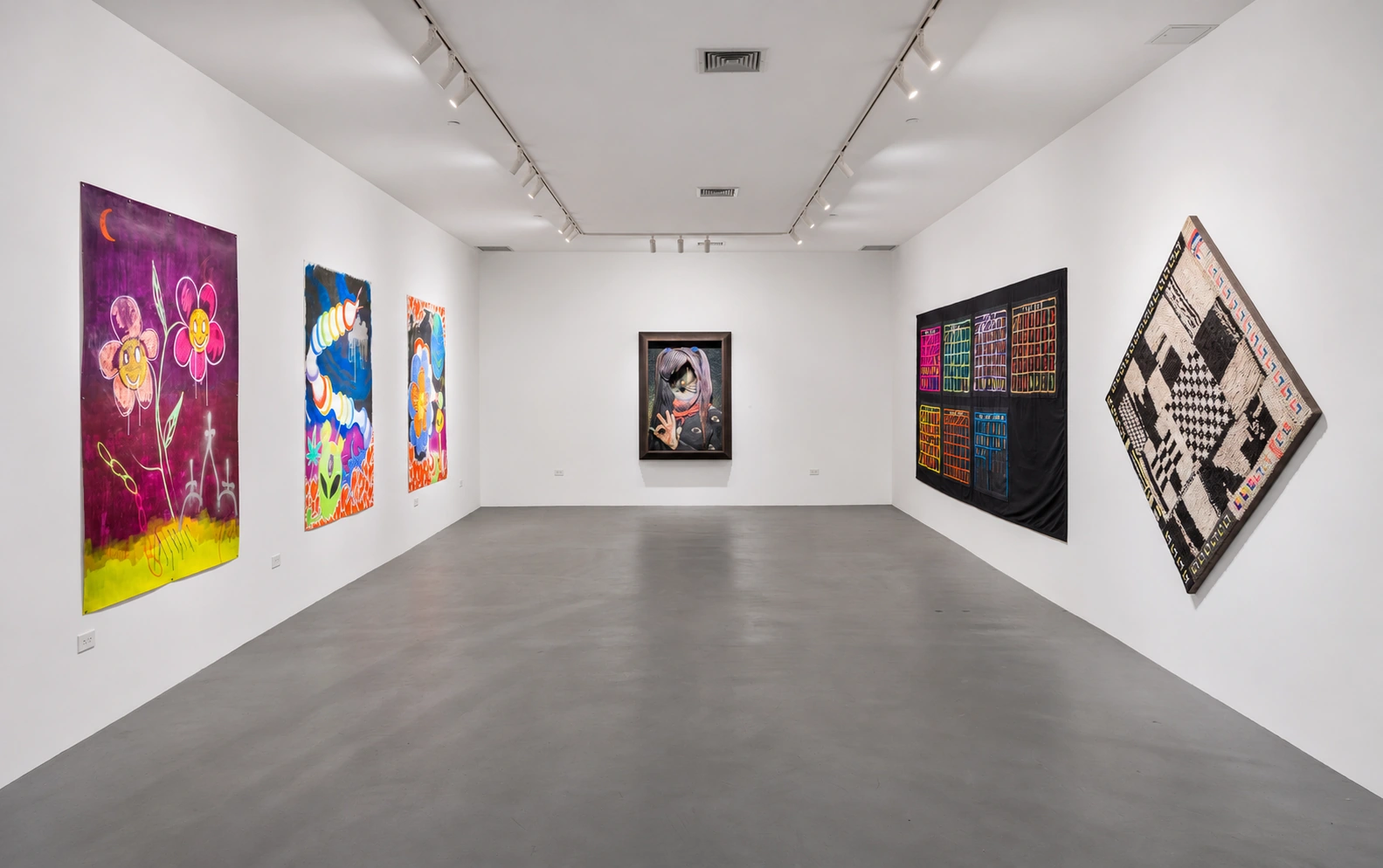
Syd Krochmalny (SK): Hello, everyone, and thank you for joining us tonight at this tertulia at Barro. It’s a pleasure to host our third social gathering, where we delve into the world of art in an intimate, informal setting. These meetings are a space for us to exchange ideas, concepts, and hypotheses around the epistemes and aesthetics that shape each exhibition at Barro NY. Our conversations span art, literature, and politics, and tonight, we’re excited to discuss the show titled Othering and the curatorial process behind it. We’ll also explore potential artistic interventions that might challenge the show’s epistemological framework. The concept of Othering, in my view, represents a total concept — total in the sense of the totality discussed in German philosophy since Immanuel Kant. Yet, intriguingly, it also involves the detotalization of being. Many of you might be familiar with the sociological theory of Othering, which generally involves two steps: first, categorizing people based on differences like ethnicity, skin color, religion, gender, or sexual orientation; and second, deeming those groups as inferior, fostering an ‘us versus them’ mentality. Tonight, let’s delve deeper into these layers and their relevance to our current exhibition. In this discussion, I consider Othering as a theoretical framework that addresses the complex notion of the Other from diverse perspectives, incorporating fields such as ontology, ethnography, linguistics, information theory, psychoanalysis, psychedelic theory, and queer theory. Within an ontological framework, we are prompted to ask: How do we conceptualize the Other in our understanding of the world? Is there a definitive world and subject, or are these merely sparse, contingent, and relational objects? These questions aim to unravel the intricate dynamics between self and Other in various existential and relational contexts.
From a curatorial standpoint, we are prompted to ask some fundamental questions: How do we perceive artworks within the context of a curatorial system? Does such a system exist in a definitive form, or is it constantly evolving? Are artworks mere objects, images, and meanings that are sparse, contingent, and relational? And importantly, do we view this system as closed or open in terms of communications and interpretations? In our current show at Barro, we delve into these questions, exploring how art communicates and engages with the concept of the Other. This exhibition could be seen as a second chapter in our ongoing exploration of Contemporary Theories on Art. We’re initiating a series of Tertulias here at Barro, beginning with our first group show, ‘Futurity.’ This show embarked on a journey through a theoretical landscape where art is envisioned as a design for future modes of existence, offering new ways to experience, interpret, and innovate in our artistic practices and critical thinking about humanity.
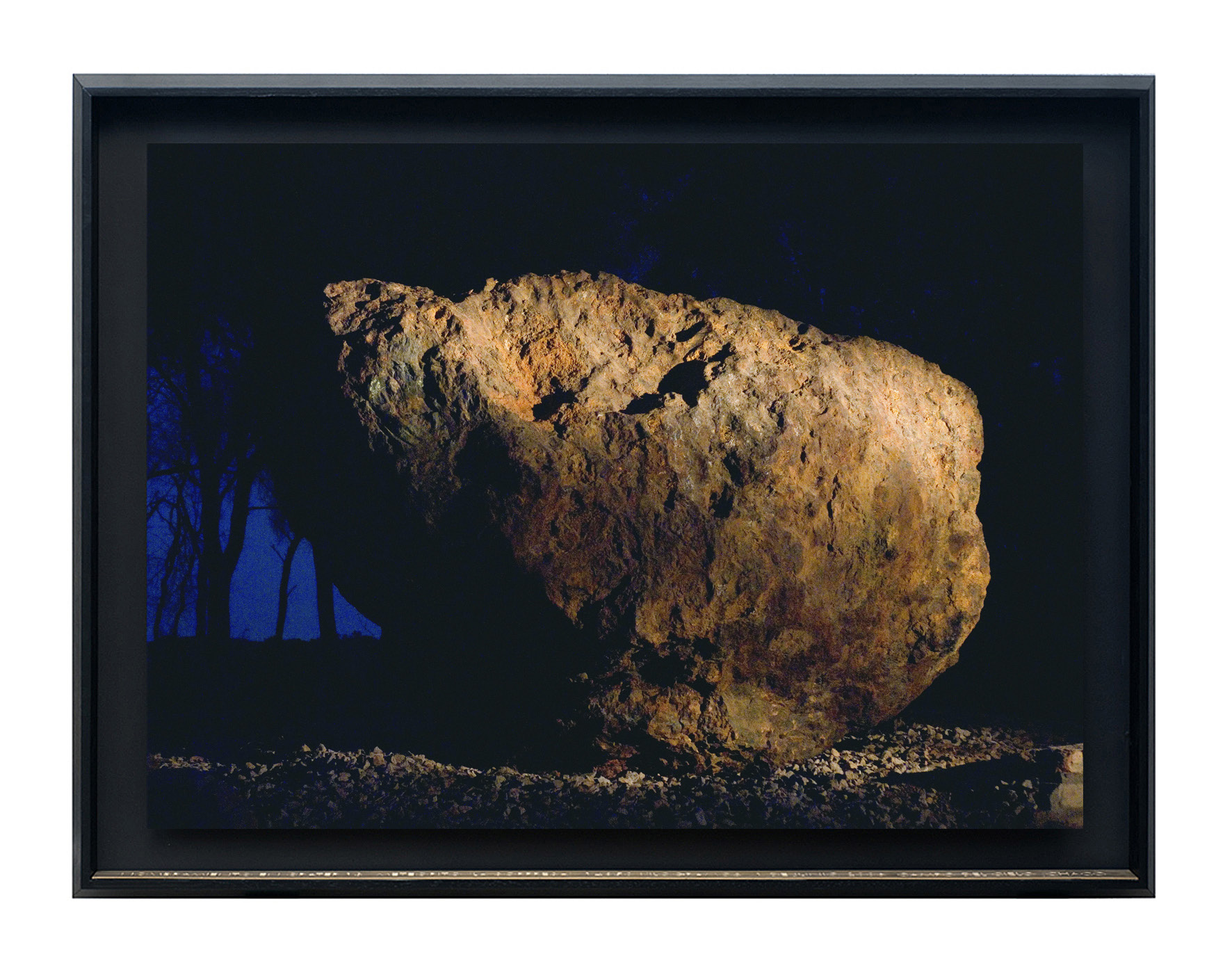
To curate ‘Othering,’ I began with a conceptual piece that embodies a profound exploration of the ‘Other’ — a non-human entity that predates all known forms of life, even predating the existence of planet Earth. This exhibition at Barro opens with an art piece that has never been displayed before. It’s an enigmatic artwork that not only inspired the theme of ‘Othering’ but also remains physically absent from the gallery. Instead, its presence is suggested through a projection in the back room, an artistic choice that symbolizes its elusive nature. This ethereal representation of an absent work serves as the cornerstone of the show: a powerful illustration of the Other as a concept that transcends human understanding, originating from the realms of outer space.
I am discussing Nombramiento en Cráter 13, a pivotal piece from the 2006 research project A Guide to Campo del Cielo, by Guillermo Faivovich and Nicolás Goldberg. Campo del Cielo, located in northern Argentina, is known for a meteor shower that occurred around 4,000 years ago. Faivovich and Goldberg, transcending the roles of scientist, historian, and anthropologist, embarked on projects that bring new perspectives to understanding the terrestrial remnants of this ancient cosmic event, revealing its historical and cultural significance.
In their work, Faivovich and Goldberg presented two cosmic stones from the Chaco region as art pieces, reframing these meteorites as cosmic readymades. They challenge our conventional views by portraying the meteorite as an embodiment of the ‘Other’—an object whose existence predates human language and consciousness. This resonates with philosophical discourses since Kant, which often focus on the interplay between consciousness, language, and their objects. Nombramiento en Cráter 13 represents a philosophical endeavor to grapple with the nature of things in themselves.
Coinciding with the debut of Quentin Meillassoux’s Après la finitude (After Finitude) in 2006, the artwork intersects with his critique of post-Kantian correlationism—the idea that human existence and the world are inextricably linked. Meillassoux challenges philosophers to confront the ‘ancestral’ reality, a world independent of human perception.
In this context, Faivovich and Goldberg’s artistic representation of a meteorite confronts this ‘ancestral’ reality. Their work, including Los hoyos del Campo del Cielo y el Meteorito (2011), invites us to ponder the ineffable, urging us to speculate and reach towards the essence of things. The Crater, as an index of an event beyond language, stands as a trace of the thing itself, embodying an ontological inquiry. It transcends common sense and scientific interpretation, positioning art as a medium to explore existential and epistemological questions.
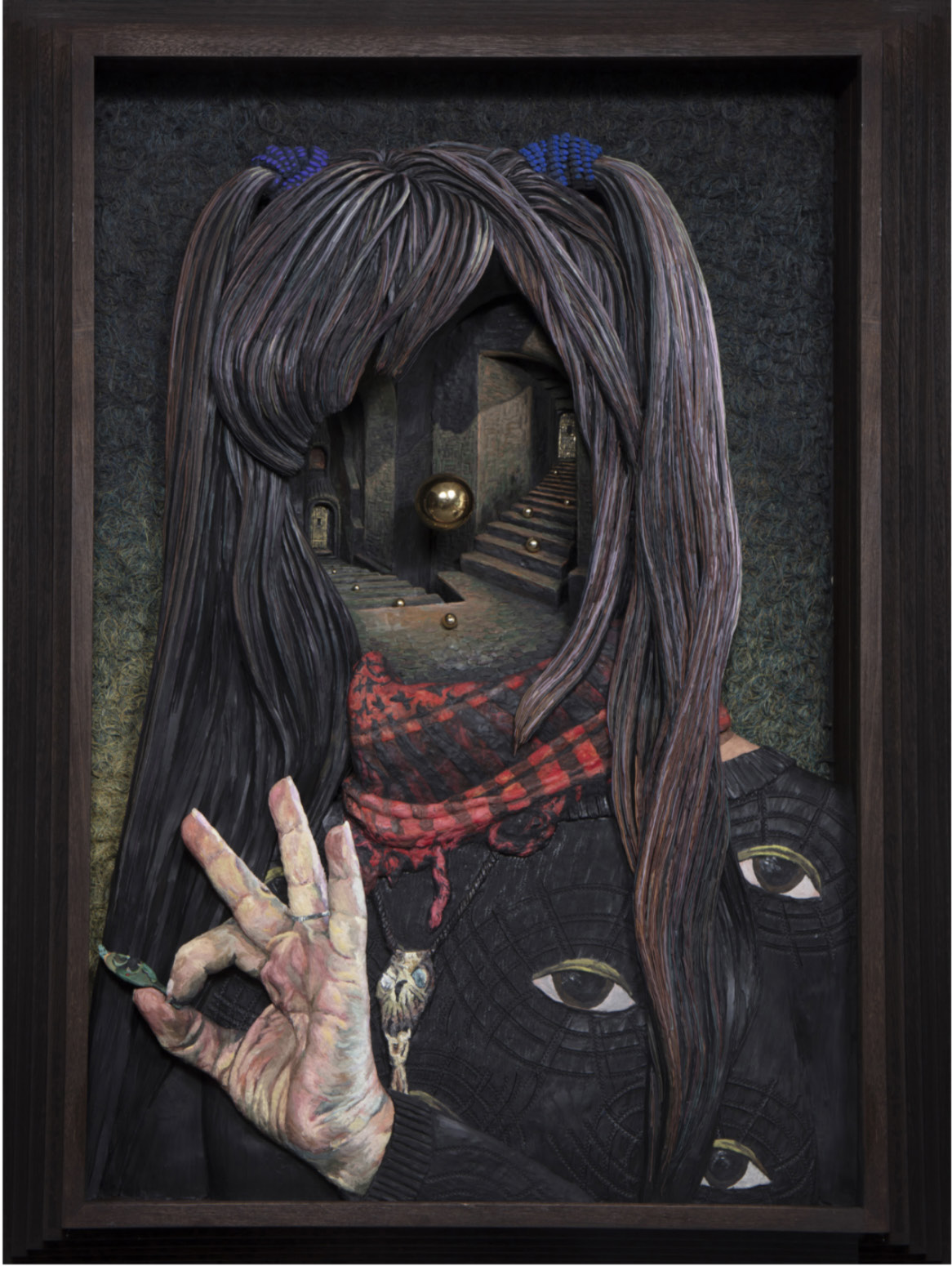
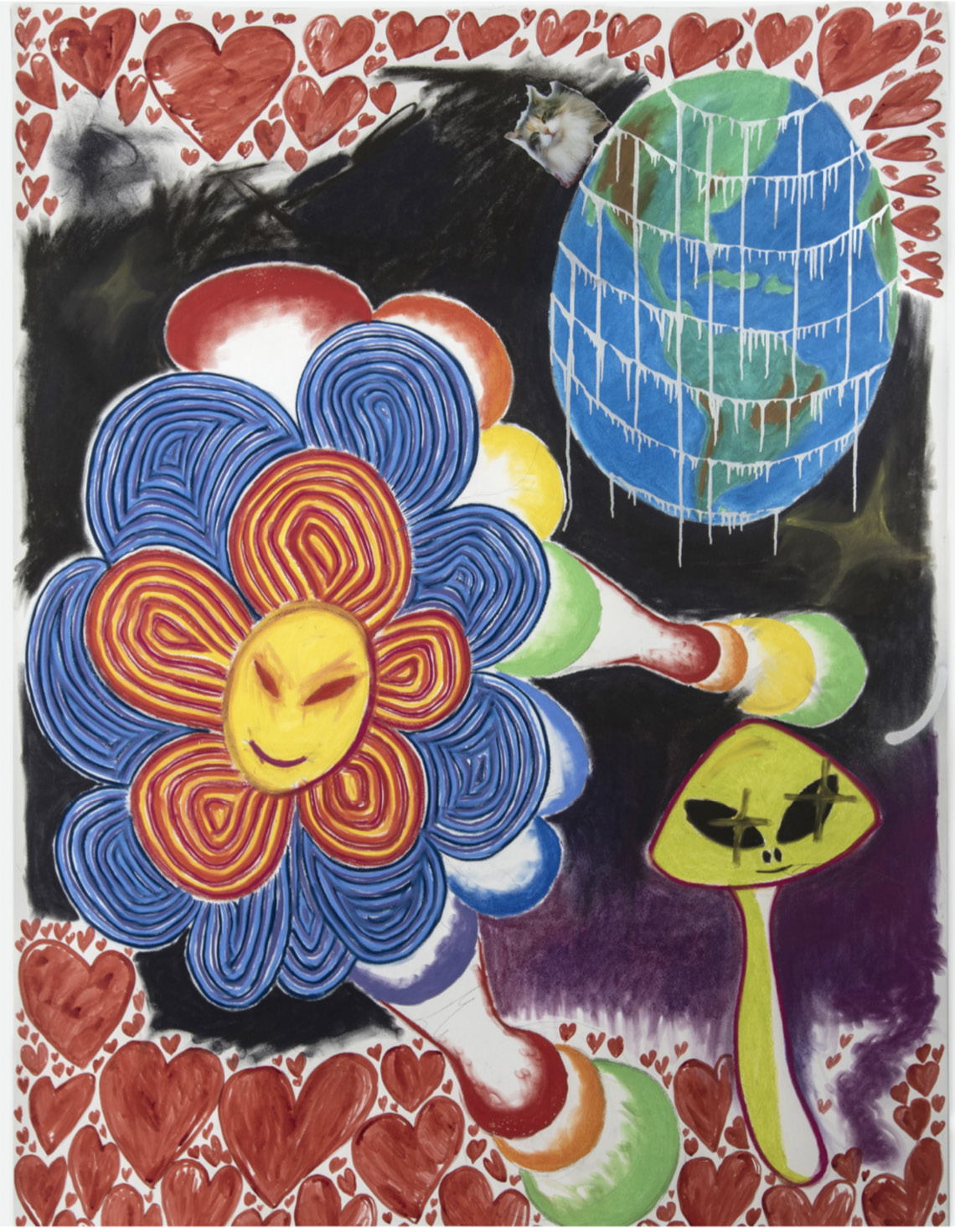
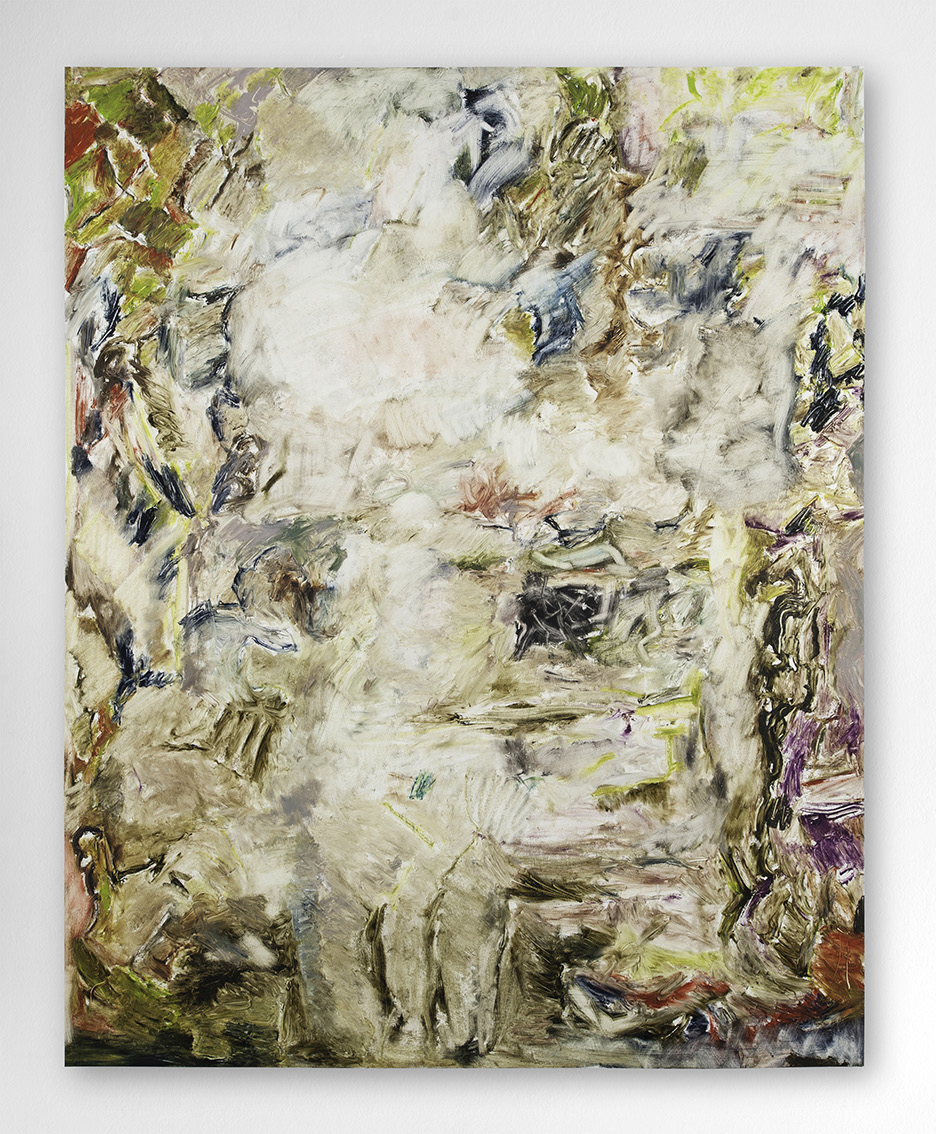
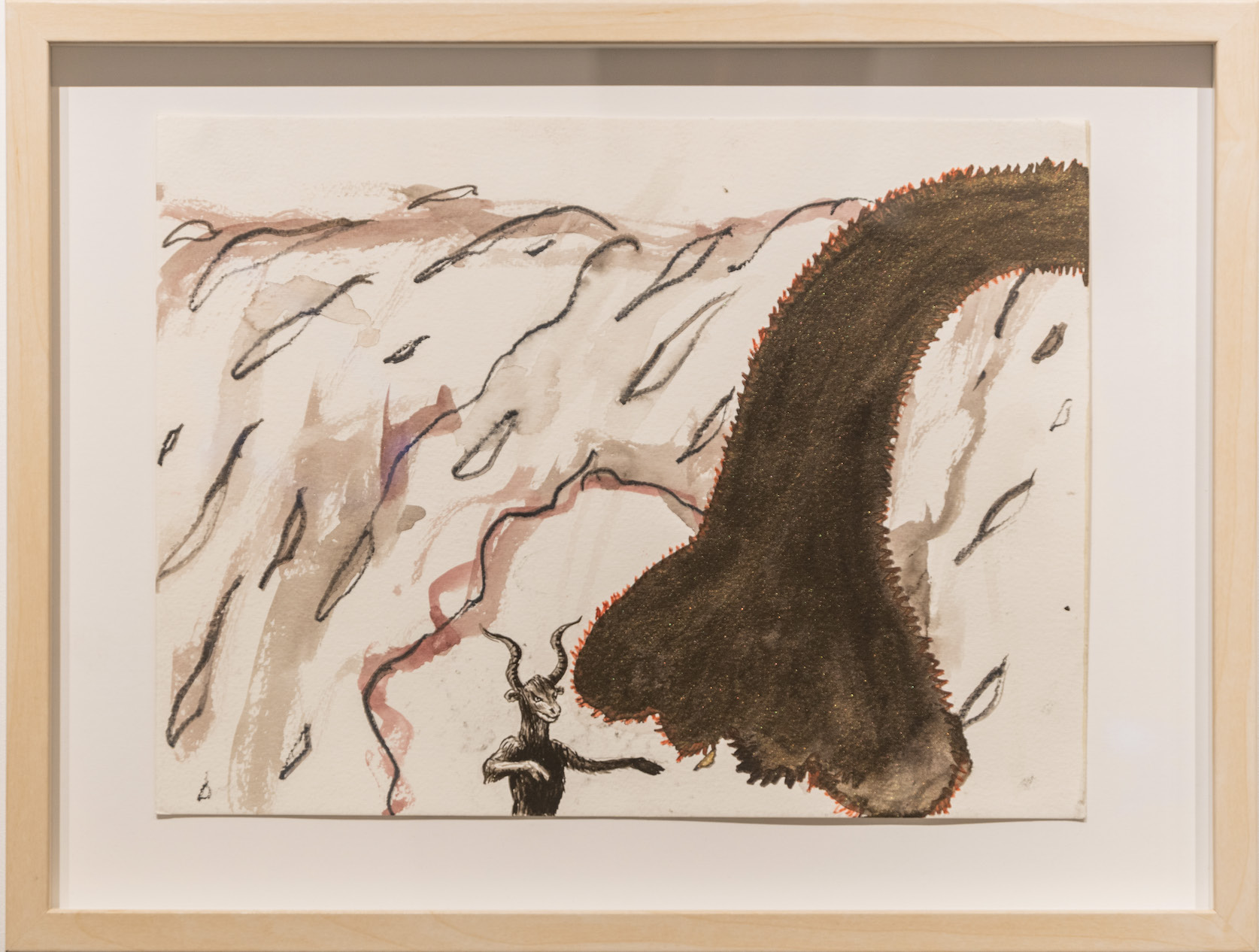
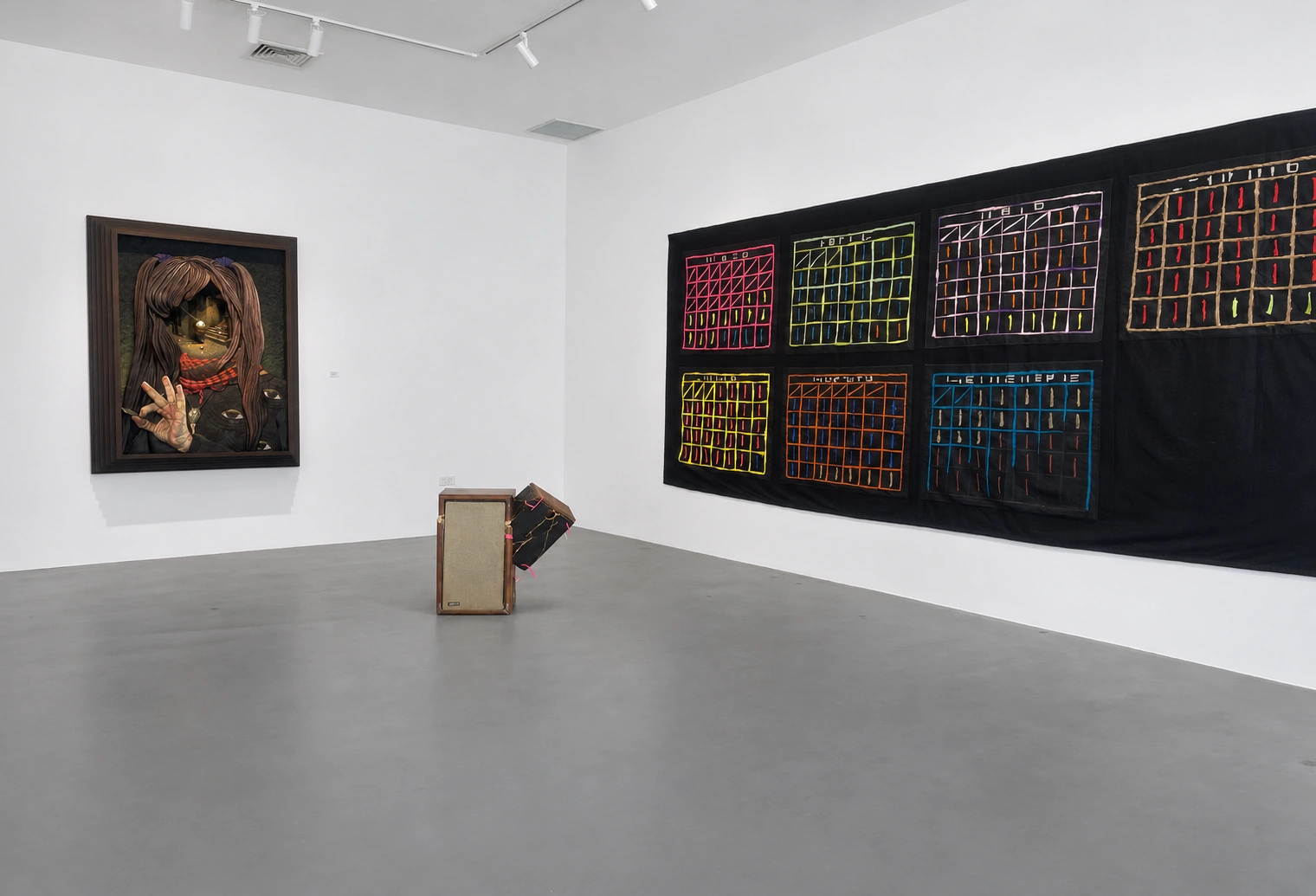
In the other components of the show, visitors can experience Otherness through phenomenological and queer lenses. Mondongo’s (Juliana Laffitte and Manuel Mendanha) plasticine self-portrait depicts the self as external yet integral to the world, embodying an imaginary realm. Nicanor Aráoz’s surreal, psychedelic sculptures and paintings draw on alien imagery, comics, and gothic art, envisioning otherworldly life forms. Joaquín Boz’s paintings suggest extraterrestrial life inspired by marine worlds with abstract ocean backgrounds.
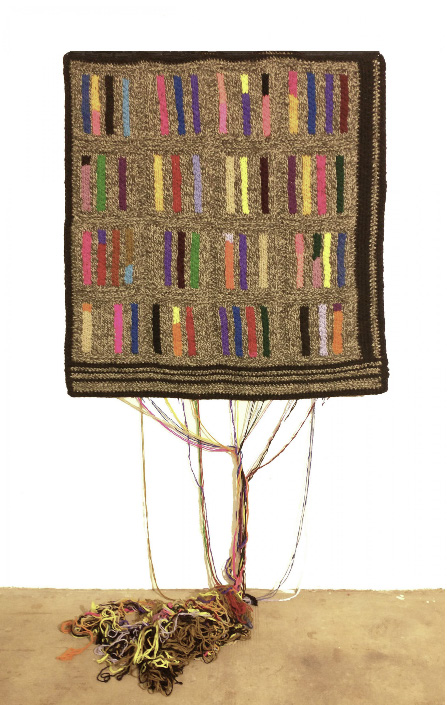
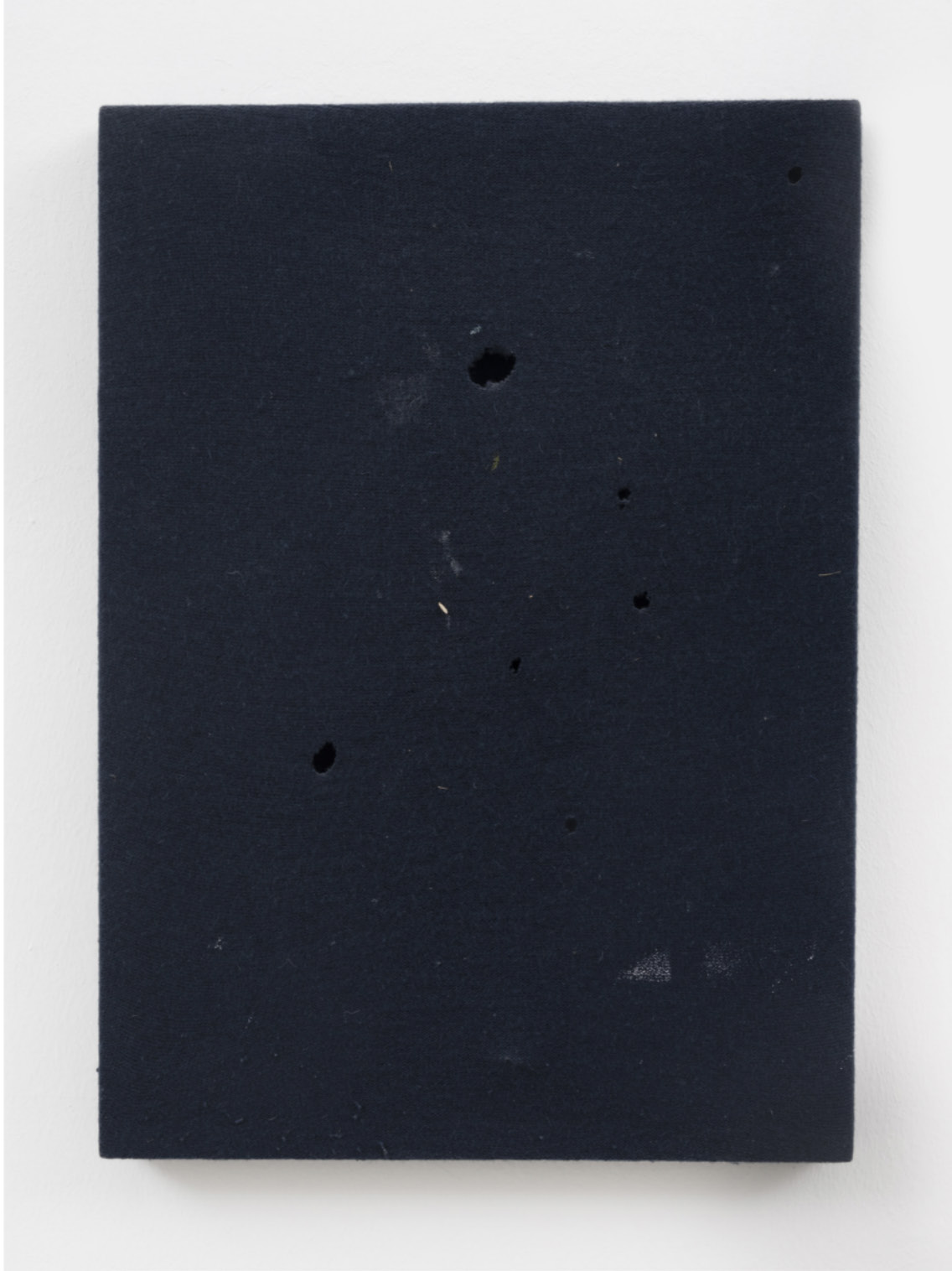
Lucrecia Lionti’s textile work delves into ancestral languages, incorporating abstract symbols akin to a calendar or temporal language. Martín Legón’s art, featuring moth-eaten, aged sweaters, symbolizes the Other as a marginalized figure. These transformed readymades, echoing Lucio Fontana’s work, are titled with quotes from Mayakovsky, reflecting the Russian Futurist movement.
Mondongo collaborates with writer Sergio Bizzio, reflecting on their artistic process through shared drawings. Lolo and Lauti’s installation, featuring cardboard boxes inscribed with Liza Minnelli’s name and displaying her videos, illustrates the gaze of the Other, embodying both desire and otherness.
My definition of Othering in curatorial practice is this:
Every curatorial effort that aims to engage with the concept of the Other must inherently move towards what is utterly foreign. The challenge lies in whether this movement returns to its starting point or transforms the curatorship altogether. To embrace both the rational and irrational, the familiar and the foreign, the curatorship must evolve, shedding its initial identity to become something new alongside the Other.
Today, I invite you to delve into a unique piece showcased in the main room of our gallery. It arrived here in the form of a meteorite. Interestingly, its impact extends beyond linguistic boundaries; it manifests as a form of noise. This raises two pertinent questions regarding our curatorial approach: Is this system self-created (autopoietic) or other-created (allopoietic)? Does our project, ‘Othering,’ transcend the traditional autopoietic vs. allopoietic dichotomy? Are we engaging in a dialectical form of curation?
In our practice, we see curation as the organization of art pieces around a central statement. To explore this further, I’ve invited artist and theorist Warren Neidich to reinterpret or ‘disassemble’ our current exhibition. How will Neidich’s intervention challenge and transform our curatorial approach, which is primarily driven by the concept of Othering?
Warren Neidich (WN): Syd, thank you very much for inviting me, and it’s an honor to be here in this auspicious place amongst such great artworks. Before we get to my intervention, I think it’s really important for us to have a discussion using an improvisational and collaborative method.
First, I wanted to talk a little bit about this work, The Infinite Replay of One’s Own Self-Destruction, that I have situated in the adjacent room, which concerns the ontologic capacity of noise. What’s really interesting about noise in this context is that it concurs with one of the basic premises of your show as I see it: a portrayal of reality which is non-linguistic and reaches back to a time prior to man’s earthly presence. What I had in mind was first to express my thesis, which considers the relationship of noise first in terms of Shannon’s information theory in which it produces complexity and knowledge and secondly through the theory found in the book Cybernetics by Norbert Wiener, in which noise is entropy that needs to be removed from the system. Let us go and listen to the piece, and afterwards come together to speak about it and the show.
As I mentioned before, my work is entitled The Infinite Replay of One’s Own Self-destruction. This work was inaugurated by breaking up two vintage speakers which I purchased at a flea market in Los Angeles. I broke them up with tools that are usually used to make things in the studio. In this way, it is the antithesis of Robert Morris’ work, Box With the Sound of its Own Making (1961). I use them instead to destroy the speakers. And when I do, I record the auto-destructive process as a performance. After the action, I glue them back together. The recording of the destruction of the speakers becomes the soundtrack of the work and plays through both broken speakers simultaneously. The work is an infinite replay of its own destruction; a looping of its incessant demise; a continually reformatted destruction to begin a transversal process; a ground zero to rehabilitate a normative language no longer up to the task of renewal.
I want to consider what political and philosophical implications the work might illustrate. What I am attempting is the following: to turn noise from an object of thought into a condition for the possibility of an empirical reconceptualization regarding an exhibition. How can an exhibition be transformed into another form as an epiphenomenon of noise? Does noise reintroduce an unconditional sense of predisposed being, from which the exhibition is transformed into a becoming? I want to make noise an empirical concept, a way of understanding noise as a means of forming new thoughts and new paradigms, especially in relation to how an exhibition is organized.
Noise is a means that releases conceptualization from a ground zero of infinite potentiality that lies deep in the heart of an exhibition still unrecognized. Noise is a form of emancipation in which instabilities abound, and transforming them from latency to manifestation is at the root of this intervention as a means of pushback against the monotheism of an exhibition as found in the press release or the art review. It is a so-called enlightened position. No longer considered only as a factor of disturbance detrimental to information, like static noise one hears as one turns the dial of a radio. The evolving concept of noise also becomes constitutive of new forms of knowledge and ways of understanding. According to Warren Weaver, in the introduction to Claude Shannon’s A Mathematical Theory of Communication, information can be defined in terms of its probability as a measure of information entropy, versus the entropy that Norbert Wiener would elucidate in his book Cybernetics as something that diminishes information and which must be removed. They both wrote their books in 1948, taking the opposite viewpoint. One considers entropy as noise, and the other understands it as a condition in which multiple potentials exist synchronously in time and are sequentially expressed. It can create information. That’s very important. The exhibition is renewed, and its potential can be expressed. And don’t forget, this work wasn’t part of the original exhibition. I brought it into the exhibition from the outside as a noisy intervention. We have the work of the meteor which was in the exhibition plan and never made it into the show, and then you have my own intervention which was not part of the original exhibition but then intervenes. Syd’s exhibition is about hospitality, and my work, as other and foreign, is invited to participate. And through that noisy intervention, I want to collapse the social structures and conceptual frameworks, the epistemologies that created understanding of this exhibition in the first place.
The entropy here is a call for freedom of choice relative to the unpredictability of a message. What this means is, critically, that a piece of information informs us only if it is not redundant. In other words, if it contains a margin of unpredictability, and hence uncertainty, the more uncertainty and unpredictability, the greater chance of freedom of choice and the greater chance of information production; Shannon’s idea, namely, that information must tell us something new. Its so-called information value is dependent upon the amount of surprise communicated. Something we could not initially predict.
Information as INFORMATION ENTROPY! On the other hand, Norbert Wiener, the author of Cybernetics, sees the confirmation of the concept of information as, on the contrary, the negation of entropy, the negation of disorder, i.e. everything contingent and unpredictable. Entropy, therefore, becomes a measure of unwanted variability that makes the system less precise or more error-prone and indicates a value to be eliminated for the sake of efficiency. Entropy henceforth becomes synonymous with noise. This exhibition, or any exhibition, can be put into cybernetic terms as a set of organized constraints on contingency — a system. In other words, as an organized negation of noise. Noise, in turn, becomes a metaphor for entropy; it is the chaotic dispersion of energy as a disorder, if not as the entropic death of a system. We listen to listen.
SK: Warren approached curating through Humberto Maturana’s concept of autopoiesis and Niklas Luhmann’s systems theory. Maturana, a renowned biologist who passed away two years ago, introduced autopoiesis as a concept pertaining to living systems that are self-generating and self-maintaining, highlighting ideas like structural determinism and structural coupling. Maturana’s view was that autopoiesis occurs exclusively at the molecular level.
Building on this, Niklas Luhmann adapted the concept of autopoiesis to system theory, a significant departure from Talcott Parsons’s earlier theory which saw systems (like societies, computers, economies) as entities communicating with their external environment through inputs and outputs.
Luhmann’s transformation posited that systems are closed, operating without external communication. Each system, according to Luhmann, follows its own biases and codes, self-reproducing within its boundaries. This led to the understanding of various societal domains, including art and politics, as autonomous systems defined by their separation from an infinitely complex external environment. Within these systems, complexity is reduced as they operate on selective internal communication, guided by the criterion of meaning.
In this light, autopoietic systems are seen as dynamic, constantly adapting their internal structure to manage the ‘noise’ or excessive information from their environments. This contrasts with allopoietic systems, which tend towards stability and constancy. Maturana’s theory offers insights into life and genetics, while Luhmann’s expands this to social systems, including art.
In the realm of curatorial practice, these theories provoke intriguing questions: How does a curatorial system function? Is it self-generating like an autopoietic system, or does it lean towards the stability of an allopoietic system? Understanding these theories provides a nuanced lens through which we can view the curation of art as a complex, dynamic system in itself.
WN: Exactly. Systems are self-transforming systems that use the products that they produce, which then are feedback and reenter the system to energize it. This is the opposite of what is referred to as allopoietic systems as an operating system that requires information to come in from the outside. My noisy intervention was an example of an allopoietic intervention, in which an outside condition entered into the system of relations that Syd has created, in constructing the idea of the Other as alien. This thing that enters the exhibition from the outside — the conceptual framework like a bacteriophage virus which injects DNA into a cell to overtake it. The works in the exhibition are tethered together and as you know, all are connected to a common integrating idea, and underlying this condition is a considerable amount of variation. Every exhibition carries within it its irregularities, flaws, its potentialities; its own chance encounters. It has within it a whole other parallel being waiting to be expressed, but somehow regulated by the theoretical and epistemological system that organizes them together. Otherness is not just something alien or outside, but already resides in us waiting to be expressed. I’m really interested in this as a condition of unconditional being and presupposition upon which the process of individuation is developed. The becoming of Otherness. One might understand this through the theories of the Ecology of Knowledges as expressed by Boaventura de Sousa Santos. There is a wonderful French philosopher of technology, Gilbert Simondon, who talks about the pre-individual or the process of individuation. Every exhibition has this kind of pre-individuality that then becomes individuated through the actions of the curator, as the pluripotentiality becomes suppressed in favor of the theme. What I think noise does is it brings it back to its pre-individual state and allows states of individuation to present themselves that were repressed.
SK: Warren’s intervention, involving a noise machine, is a concept that could potentially be applied to any exhibition. However, its implementation takes on a unique significance in our curatorial project. Here, it acts not just as a disruptive force but as a key component within a dialectical framework. This approach allows for the expansion and deepening of the show’s concept. It does so by incorporating an element that, paradoxically, is not originally part of the exhibition. In this way, the intervention transcends mere disruption, contributing to the evolution of the show’s structure and meaning.
WN: And, also, when you look at the contrast between the works in terms of their methods of fabrication and their embedded sense of materiality, if you look at the way the works are made, the broken speaker piece represents a form of rupture. When you look at this incredible work of art behind me particularly its highly finished and polished patina and contrast it with my own which is also well fabricated in its own right but with different ends in mind, and when you superimpose them in your mind’s eye you witness a form of seizure. The work behind me is so crafted and so much skill went into it, whereas in this work a de-skilling occurs. It’s a form of ready-made that has been altered. It’s coming from completely different kinds of emotions, feelings, and historical relations.
Also, all the works in the show are visual, and my piece is both visual and aural, so it adds a score to the show. Like the score of a film, the cacophonous score of this show creates an unbalanced and estranged platform upon which to build an epistemic foundation. Could my work want to take down the history of art? Could it be calling for the end of art as we know it? Especially in its present state as an arbiter of the art market in cognitive capitalism.
When you go into a gallery to see a show of a great curator, what you take note of is the way the works speak to each other. The Whitney Curator Chrissie Iles is one such curator because she really understands the relationships between works in an exhibition and how they operate as a machinic assemblage. The curator thinks about the show’s installation in a particular architectural space, the viewers’ circulation, and the distribution of sensibility that affects the narrative of the dramaturgy. These are all kinds of things that are happening, and those kinds of circulatory patterns are related to other types of circulatory patterns that are occurring on the street or in public spaces during demonstrations. And there are different kinds of signs and patterns that operate within those different regimes. They are all part of the history of exhibitions. Otherness plays a significant role in the sensibility at play. My intervention is more than just the piece; it is an intervention that throws the entire exhibition into jeopardy. What’s super important is that it is an ephemeral intervention that takes place during the exhibition, after the exhibition is already installed and has been living. It intervenes and as such the exhibition has a second life or vernissage which you are all part of.
Audience 1: This project reminds me a lot about how you can play around with AI or how it starts with a random noise pattern and through unstructured learning it learns to perform a task. Depending on the input, different deep learning neural networks are created. It seems to me that it speaks to your idea of pluripotentiality and the process of individuation. You are finding new things, and how you can individuate that seems like the exact same process.
WN: A lot of what you’re saying is true. The way that deep learning AI works is it looks for certain kinds of patterns that it then brings in through its input layer and which transforms into a hidden layer and its synaptic weights within it. Its output is a result of that sculpting and synaptic logics. I did a project that illustrated deep learning artificial intelligence. It was called A Proposition for an alt Parthenon Marbles: The Phantom as Other. It’s a fitting project with a fitting name for what we are speaking to here: “Otherness”. How does otherness participate in the sculpting of the synaptic weights of the hidden layer of the artificial neural network? In this case the Other is the psychic input emanating from the phantom limbs that are actively growing out of the broken arms and legs of the Parthenon marbles which were once called the Elgin Marbles. This was a project about the compulsive pathological condition of the Enlightenment. For all the important things that have emerged from the Enlightenment, it has a dark side. As an epistemological apparatus, it suppresses other forms of knowledge and as a result develops a blind spot that allows it and those that engage with it to do ghastly things to other peoples.
The history of colonization, the Holocaust, and the cultural theft that took part as a result were the product of a kind of arrogance and superiority. The project concerned the classic Greek sculpture, the Parthenon Marbles. The sculpture was based on an artificial neural network that I created. But I also included the broken arms and legs of the Parthenon marbles as it was destroyed in the process of moving to London to its home in the British Museum; there was a metaphorical amputation of the hands and feet. They were broken as a result of its initial disengagement or as a result of shipping. Metaphorically speaking, this idea of phantom, or phantomology, is a stand-in for the Other, Otherness, queerness, noise, entropy, and the supernatural. Inputs from the Parthenon Marbles which were based on the perfect body, beauty, Eurocentrism, and patriarchy, are combined now with the input or the psychic energy emanating from the phantom limbs. All the layers of meaning contribute to the sculpting of the synaptic weights of the hidden layers, you know, this middle layer of stochastic synaptic connections leading to an alternative artificial neural analytics and logic and output which I call the Alt-Singularity as opposed to the oppressive algorithmic governmental project of the singularity. Great question. Thank you.
Audience 2: I remember this kind of noise German band from the ’90s. I thought there wasn’t a written script of destroying this box that leads you to this piece. And I’m wondering, when you listen to it, I begin to hear that it has a structure. It doesn’t sound totally random. It is almost musical.
WN: I would say two things are woven into that. Our brain naturally tries to find order within a disorder. And second, I would say that there is a historical relationship to other cultural phenomena that occurred before us that has made us very intelligent about noise. Noise has percolated through the noise rock and roll scene like Throbbing Gristle. We have used noise, and they have become incorporated into our sense of contemporary sound, creating variation over time that concatenates into its own genre. It has played an important role in the evolution of contemporary music. And that’s what I was talking about with information entropy.
Shannon’s concept of information entropy suggests that noise creates more possibilities. It creates more information because it creates more possibilities. Sameness and repetition don’t play a part in information entropy. Noise has become an apparatus and recently a technology with organogenic potential. After the invention of the tape recorder or vinyl record, noise became materialized in technologic memory, which became part of the senses. Before, the vinyl noise could not be remembered by the brain. It was cacophonous and therefore could not be repeated or rehearsed.
As such noise could not be memorized, and I am speculating could not sculpt the brain’s neural plasticity. There are two sensitive periods for the human being and their brains when this neural plastic potential is most abundant. So-called critical periods between the ages of 2-4, and the other between 13-15 or 12-15. The early critical periods occur first in the back of the brain, the sensory cortices, and their association areas, and the later period affects more prefrontal, frontal, temporal and parietal cortices located in the front of the brain important in personality development. If one looks at microscopic slides of the brain during these periods of sensitivity, especially ages two to five, you see an incredible blooming of sensory synapses that are genetically prescribed. This is called the primary repertoire and what characterizes this early blooming is the rhizomatic, variable and chaotic condition of the yet non-functional neural network that arises. This is the work of Gerald Edelman and is called Neural Darwinism as well as that of Jean-Pierre Changeux named epigenetic synaptology. This event occurs at a specific time, for instance, 17 days in cats. In humans, the sensitive period is between 3 and 5 years of age, when the visual acuity goes from 20/200 to 20/20. Crossed eyes and the double vision it causes can cause a type of blindness called amblyopia.
This genetic conscripted event is followed by an environmental one in which the social-political-cultural and technical milieu activates and deactivates specific connections, in the end creating an epochal and generational neural architecture. This secondary repertoire is more ordered and structured and functional. Noise leads to a normalized neurotype. Highly regimented and politicized designed environments, whether urban or digital, create normalized neural architecture. I am calling the end result the Brain Without Organs after Deleuze’s Body without Organs.
SK: It would be intriguing to apply the concept of noise to autopoietic systems. In Luhmann’s theory, noise exists outside the systems, in the environment, and is not directly translatable or transferable between systems. Instead, systems interact with their environment through irritation, as what is internal to the system is considered information. Each system operates with its own code and language, making external interactions non-linguistic and merely noisy.
Tonight, what you’re creating seems to echo this concept, positioning the curatorial action as a form of fictional organization. While this show appears as a well-orchestrated statement, it’s rooted in a chaotic creative process. The seeming orderliness of this exhibition is a crafted fiction, much like the narratives we construct in our lives. We rely on these fictions to make sense of and navigate the inherent randomness and chaos of society, art, and the broader universe. By embracing this chaos and randomness, the curatorial practice here becomes a reflection of life’s complexities and uncertainties.
WN: “Of course, you’re right in framing this exhibition within the context of a world characterized by chaos, full of contingencies, missteps, and miscues that demand constant adaptation. In the curatorial process, what often goes unseen is the tumultuous middle stage, where these challenges are navigated and resolved. We typically only witness the final stage, the culmination of this journey, not the intricate and often unpredictable path that led there.
About the participants
Biographical notes reproduced from the original publication. Institutional roles refer to the time of the conversation.
American artist and theorist WARREN NEIDICH works between Berlin and New York City. He was trained in fine art, architecture, and neuroscience. In the past five years, he has used written texts, neon-light sculptures, paintings, and photographs to create cross-pollinating wet conceptual works that reflect upon situations at the border zones of art, science, and social justice. He is the founder and director of the Saas-Fee Summer Institute of Art as well as the founder of www.artbrain.org and the Journal of Neuroaesthetics, 1996. Awards include: Stiftung Kunstfonds NEUSTART KULTUR (2020, and 2021), Hauptstadtkulturfonds (2021), Katalogförderung des Berliner Senats (2017), Vilém Flusser Theory Award, Transmediale (2010). Selected one-person and group exhibitions include the Venice Biennial, Whitney Museum of American Art, P.S.1 MOMA, Walker Art Center, MIT, List Visual Art Center (Cambridge), Museum of Contemporary Art (Chicago), Los Angeles County Museum of Art, National Museum of American Art (Washington D.C., US), Museum Ludwig (Köln, Germany), Haus Der Kunst (Munich), Zentrum für Kunst and Media (Karlsruhe, Germany), Haus der Kulturen der Welt (Berlin, Germany), etc. He is a former tutor at Goldsmiths College, London, and others. He has been a visiting lecturer in the GSD Harvard University, Columbia University, Princeton University, the Sorbonne in Paris, France; and the University of Oxford and Cambridge University in the UK. Selected press: including The New York Times, Time Magazine, Artforum, Art in America, Kunstforum International, The Art Newspaper, Hyperallergic, Artnet, GQ, Forbes, and Monopol. The third edition of his Glossary of Cognitive Activism and his An Activist Neuroaesthetics Reader have recently been published by Archive Books, Berlin.
SYD KROCHMALNY is a multidisciplinary artist, writer, researcher, curator, musician, and Professor of Arts, Literature, and Sociology. He completed his Postdoctoral Studies at Columbia University in New York City, and holds a Ph.D. in Social Sciences, a master’s degree in Communication and Culture, and a bachelor’s degree in Sociology from the University of Buenos Aires. Krochmalny’s multimedia work has been exhibited at the Reina Sofia Museum, Harvard University, David Rockefeller Center, the MALBA, the Americas Society, Cultural Center of Memory Haroldo Conti, Remembrance Park, University of Oslo, Universidade Federal do Rio de Janeiro, MAC de Niteroi, Pinacoteca San Pablo, The University of Edinburgh, Museum of Contemporary Art in Buenos Aires, among others. Krochmalny has published several books, including “Journals of Hate” (2016), “Weak” (2017), “The Dreams” (2018), “The Size of My World” (2021), and “Ramona, Debates in the Art on the Edge of the Millennium” (2021). He has also written a prologue for“Crypto Currency and Sovereignty” (2022) and has been involved in magazine projects such as editor of Ramona, co-founder and editor of JenniferMagazine, and co-founder and editor of the CIA magazine (Center for Artistic Research). Krochmalny has received a fellowships by the ArgentinianResearch Council CONICET, and has served as a Professor and Researcher at various institutions including the Gino Germani Institute and the Institute of the Theory and History of Art Julio Payró at the University of Buenos Aires, The Latin American Council of Social Sciences (CLACSO), and the University of Avellaneda. Krochmalny has delivered lectures at universities such as Harvard University, Columbia University, New York University, Rutgers University, University of Oslo, Edinburgh University, Stirling University, and the Americas Society. In Buenos Aires, Krochmalny has played a vital role in the art education culture as a contributorto the Center for Artistic Research (CIA), nurturing many of Argentina’s most prominent artists.