
A Census of the Elusive: Migration, Displacement, and Artistic Networks
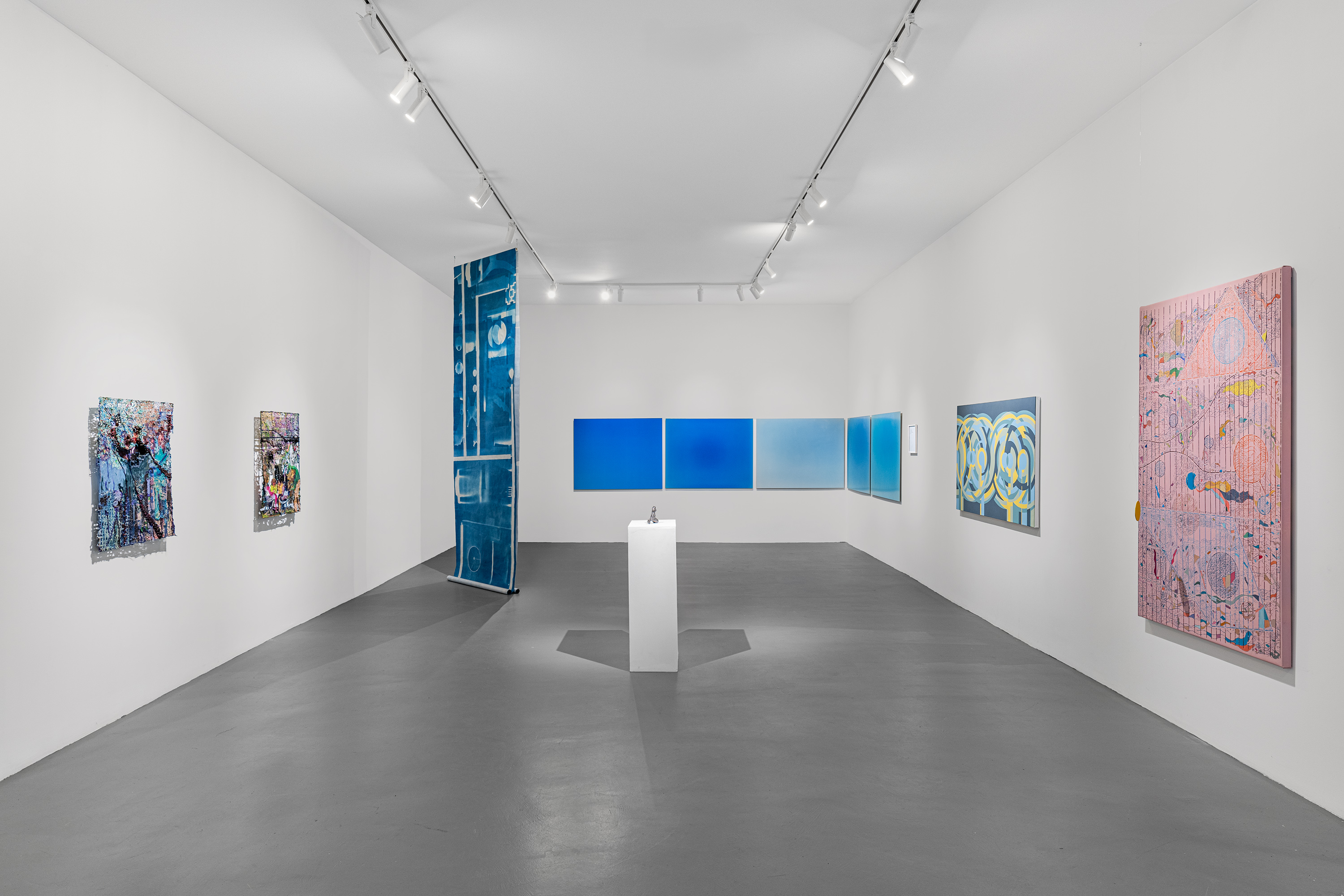
A census needs a category and a date. What happens when the people being counted move between the places and languages that would ordinarily define the category? At The Slip, The Argentine International takes an impossible inventory of an artistic community whose members keep changing their addresses, their working methods, and their relation to Argentina.
The census leaves its criteria open. Who counts as an Argentine artist in New York, and who gets to decide? Is Argentine identity a territory or a tone? Does it persist in a language, in shared references, or in the distance an artist takes from them?
A curator selects works. A census appears to select nobody: everyone who meets its criteria counts. But someone still has to draw the boundary of the population. In The Argentine International, that decision happens in the act of documentation. To enter a name in the archive is already to interpret what brings these artists together.
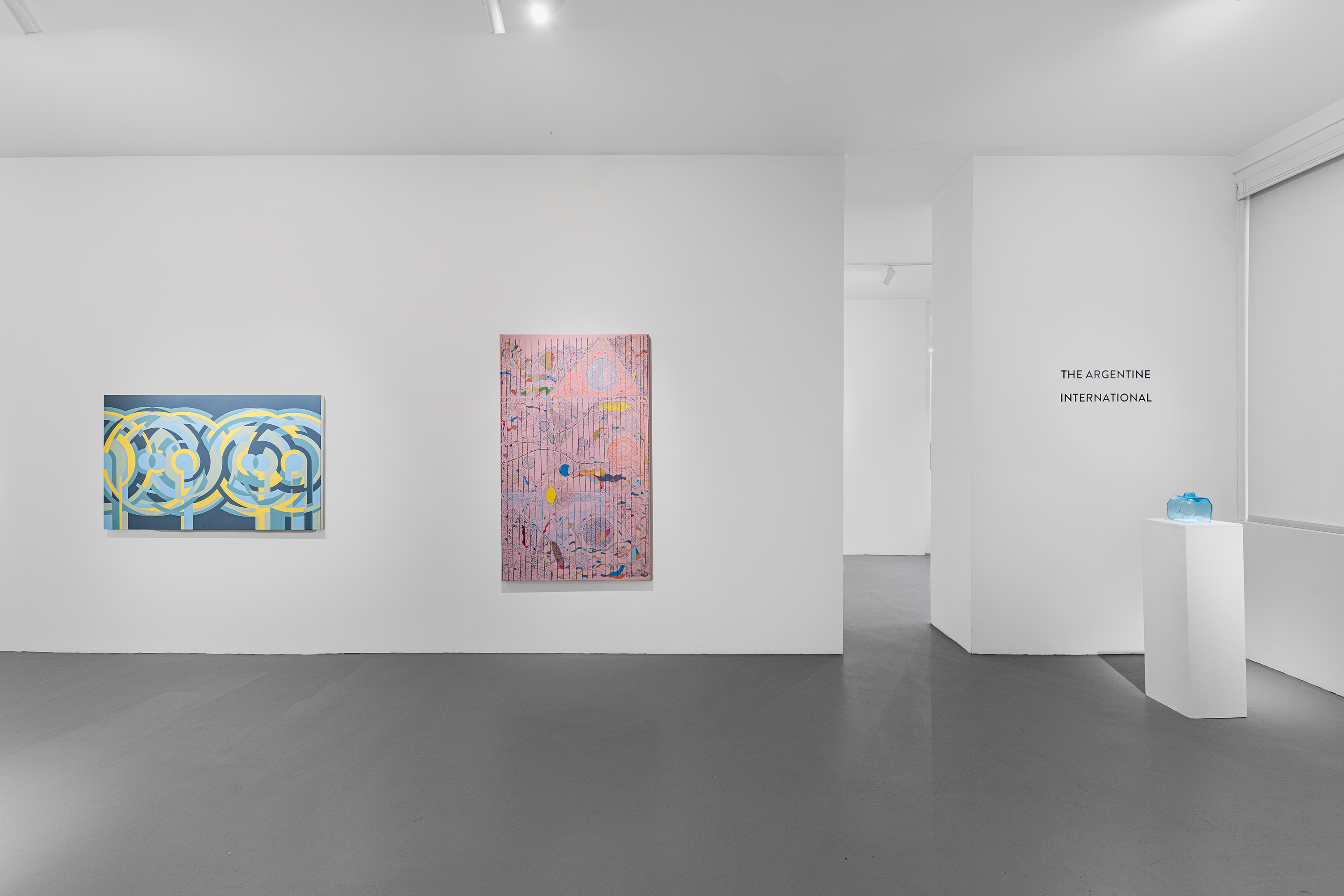
In this sense, The Argentine International engages with demographic and sociological studies on migration, particularly those that analyze mobility as a structural rather than an exceptional condition. Since the 1960s, Argentine artists in New York have relied on one another to sustain their practices. The networks they built extended across national borders. This archive of Argentine artists is part of a broader tradition of creative migration that redefines cultural production in diasporic contexts. As theorists like Saskia Sassen have pointed out, migration is not an isolated phenomenon but a consequence of transnational flows of capital, culture, and power. Within this framework, the Argentine artistic diaspora in New York is not merely a personal exodus or a search for opportunities but an insertion into global circuits that reshape both identity and artistic production.
Here, artists are not just names on a register but agents of a living cartography: Cecilia Biagini, Ivana Brenner, Rafael Bueno, Bibi Calderaro, Claudia Kaatziza Cortínez, Beto De Volder, Dolores Furtado, Julio Grinblatt, Nicolás Guagnini, Fabián Marcaccio, Sabrina Merayo Núñez, Luciana Pinchiero, Liliana Porter, Sofía Quirno, Analia Segal, Pedro Wainer, and Syd Krochmalny.
Their inclusion in this “census” is a fleeting gesture of presence, a mark on water that reshapes itself with each exhibition, each migration, each new work.
Materiality and Memory: Inscriptions in Transit
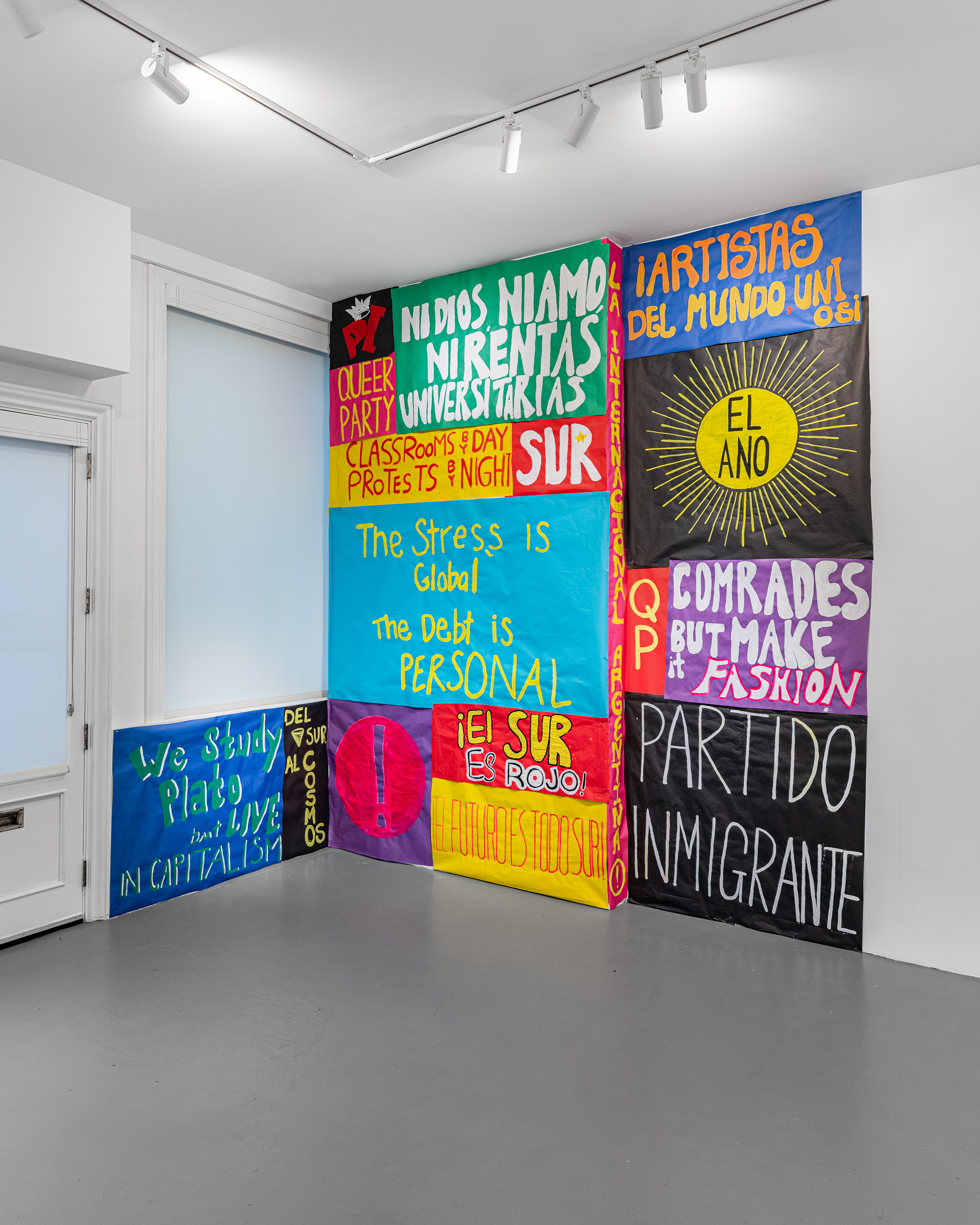
Every census implies an act of inscription. The Argentine International confronts us with inscriptions that resist permanence. The works gathered here explore material and conceptual transformation, expanding the borders of contemporary art and challenging the persistence of established forms.
Dolores Furtado investigates the relationship between body, form, and history through a physical and spiritual process of direct interaction with matter. Her work documents the transformation of materials as an expression of regeneration and memory, revealing the deep connection between matter and spirit.
From another perspective, Claudia Kaatziza Cortínez works with memory and identity through photography, printmaking, and sculpture. In her ephemeral visual landscapes, time and texture intertwine to generate narratives that reimagine the spaces we inhabit.
Bibi Calderaro, in contrast, explores perception, non-duality, and eco-centrism through immersive experiences. Her work challenges the stability of established discourses and proposes new modes of coexistence and regeneration beyond modernism.
This exploration of transformation and materiality extends to artists who expand traditional media. Fabián Marcaccio examines the survival of painting in the digital age, developing Paintants—hybrids between digital images, sculpture, and painting that incorporate industrial and technological processes to address spatial and temporal concerns.
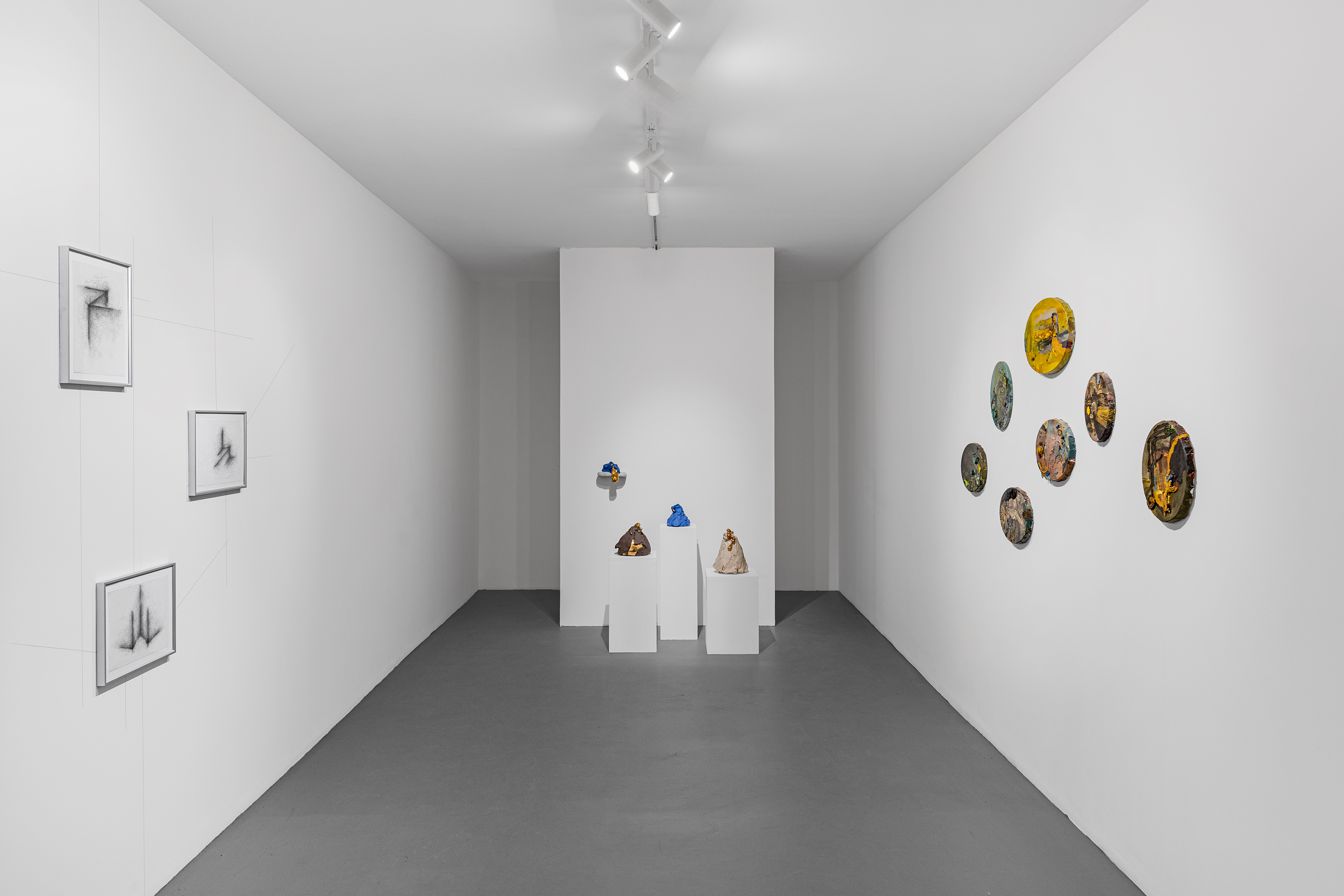
Similarly, Ivana Brenner blurs the boundaries between painting and sculpture through abstract bodies that evoke sensuality and organic matter. Through intuitive and experimental processes, she transforms materials such as clay and paint skins into entities that suggest flesh, fluids, and fertility.
Rafael Bueno, in his painting and drawing practice, explores layering and erasure on canvas and paper to construct tactile landscapes that deal with memory, identity, and color perception.
Meanwhile, Beto De Volder examines the tension between order and chaos through curved line compositions that create a fluid, expansive movement, transforming two-dimensional space into dynamic structures that suggest instability and change.
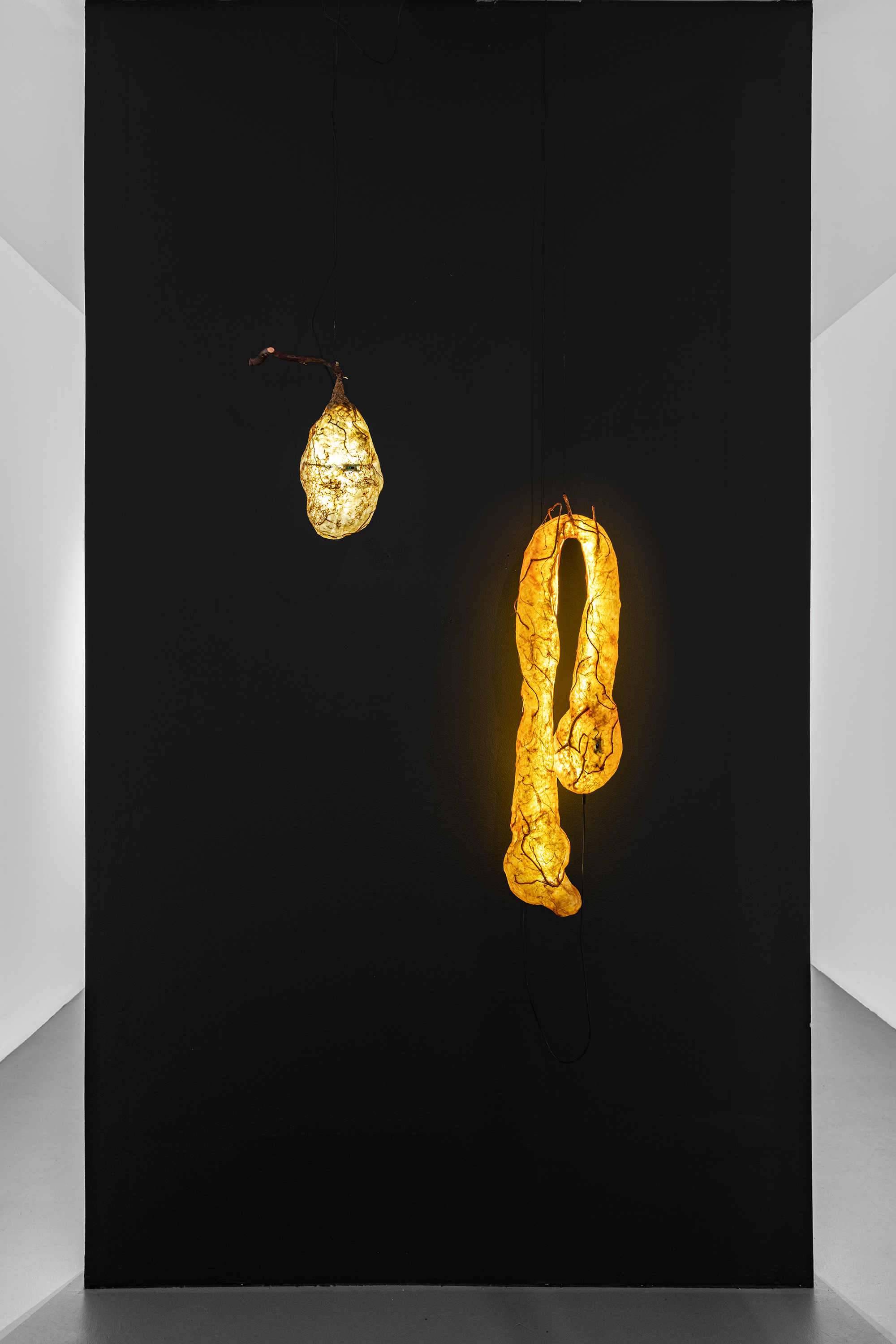
Taking a transdisciplinary approach, Sabrina Merayo Núñez explores the intersection of natural processes, technology, and materiality. Her practice integrates contemporary materials with ancestral techniques, using biodegradable collagen bioplastics in interactive luminous sculptures that question the relationship between organic and synthetic life in an age of technological acceleration.
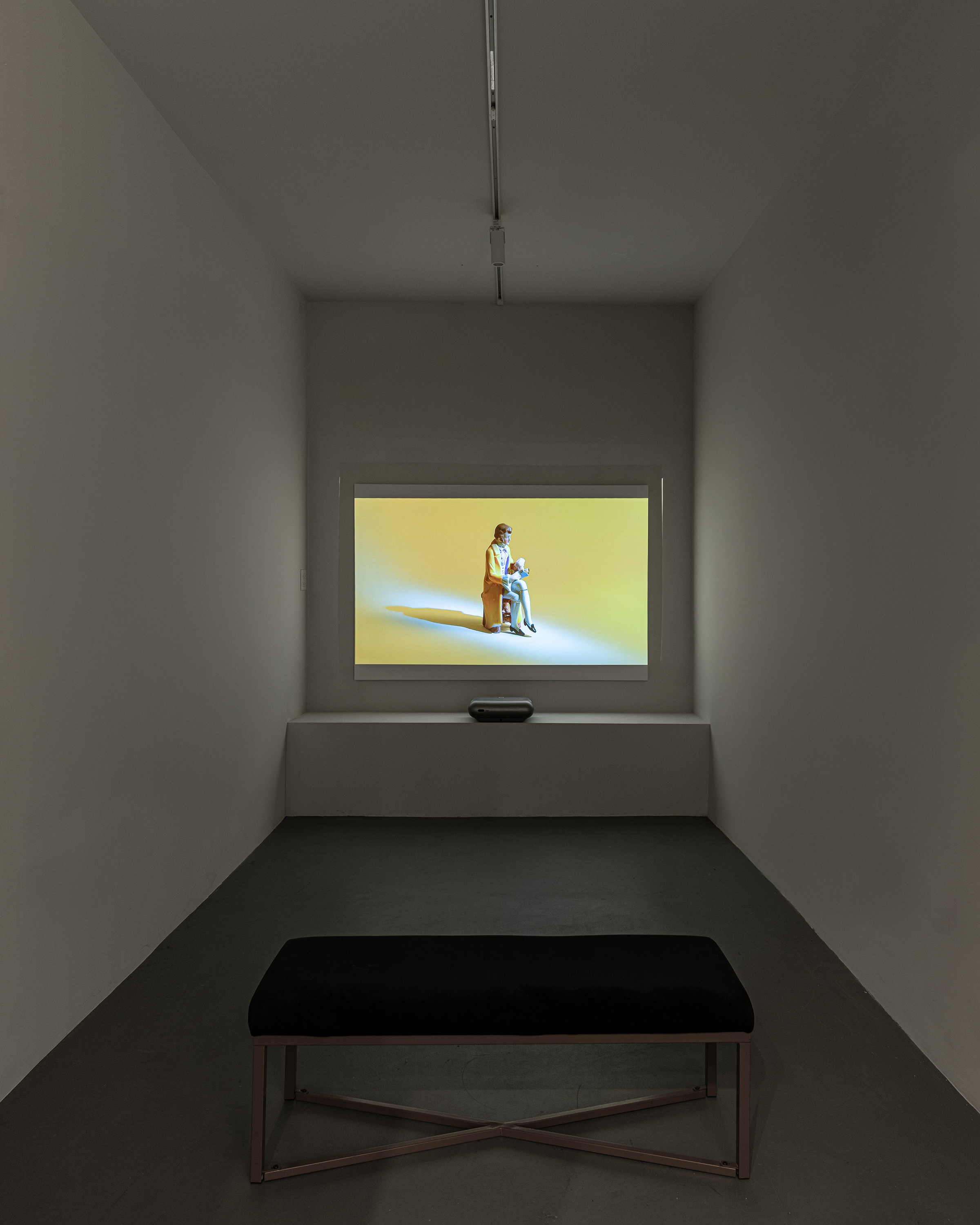
Materiality and memory permeate Liliana Porter’s work, where found objects become silent narrators of suspended histories. Her 'theatrical vignettes' construct enigmatic dialogues between humor and anguish, the banal and the transcendent, inviting the viewer to reconsider the boundaries between fiction and reality, presence and absence.
Through painting, drawing, and sculpture, Sofía Quirno creates spaces where subjectivity is constantly negotiated. Her work, shaped by her experience as a woman and an expatriate, reflects on translation, identity, and domesticity.
At the intersection of theory and artistic practice, Syd Krochmalny works with performance, writing, images, and historical research to examine power, representation, and desire. His work employs strategies of transgression and excess to challenge established structures, exploring intimacy, monumentality, and performance in everyday life.
Abstraction and the poetic exploration of form are central to Cecilia Biagini’s work, where she brings together painting, sculpture, photography, and sound to create encounters between geometry and improvisation. Her compositions challenge the boundaries of perception and space.
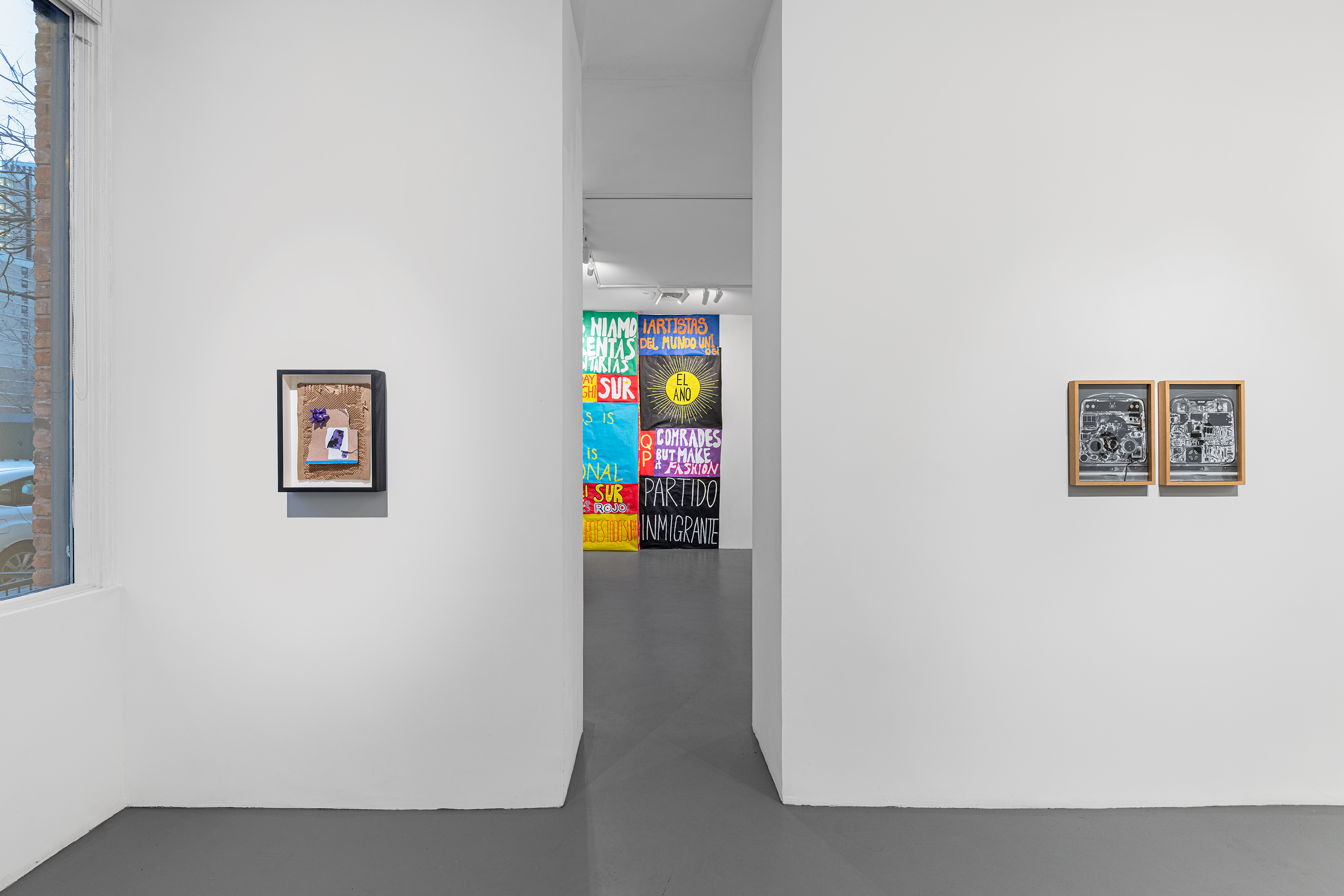
Pedro Wainer takes a more archaeological approach, investigating the materiality of the photographic image through expanded cinema and the repurposing of obsolete technologies. His experiments with analog processes recontextualize the history of photographic devices and their means of production.
Luciana Pinchiero deconstructs visual history and its dominant narratives through sculpture, collage, and ready-mades. By juxtaposing images from different historical periods, she generates new tensions around identity, power, and gender, engaging in dialogue with her own queer, feminine, and Latin identity.
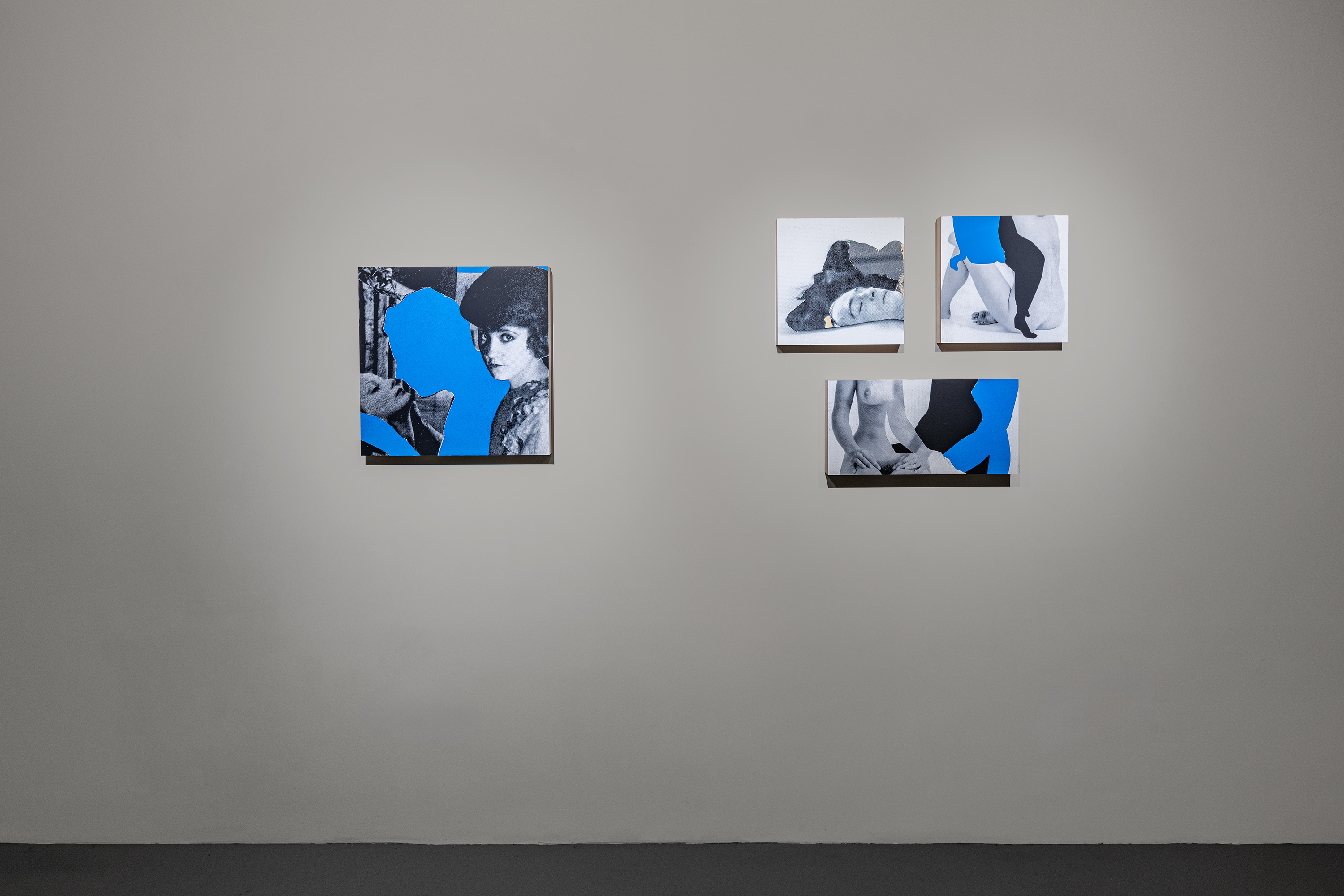
Luciana Pinchiero. She Drew a Line 5, 2023. Luciana Pinchiero, She Drew a Line 6, 2023
Julio Grinblatt explores photography as a field of knowledge, pushing its boundaries through both practice and study, while Nicolás Guagnini develops interdisciplinary projects that blend ceramics, critical writing, and text design in installations that challenge dominant narratives on labor, capital, and masculinity.
Finally, Analia Segal works at the intersection of art, design, and architecture, examining the conceptual, aesthetic, and functional weight of everyday objects. Through industrial materials and references to design, her work interrogates notions of domesticity and identity, fostering a dialogue between the familiar and the artistic.
A Census of the Uncontainable
The title The Argentine International suggests a community that expands not through geographic borders but through a shared tension between belonging and dispersion. This census is both an act of recognition and proof that what is named continues to escape.
From the perspective of migration sociology, thinkers such as Pierre Bourdieu and Abdelmalek Sayad have analyzed how mobility shapes new subjectivities, caught between origin and destination. The Argentine artistic diaspora in New York is an example of this: neither entirely Argentine nor entirely New Yorker, but something in between—a field of forces where meanings are constantly rewritten.
If this census has a unit of measurement, it is friendship. But in modernity, friendship was confined by its inability to establish a political foundation. Is friendship a political structure or merely an elective bond? In antiquity, as Aristotle and Vernant noted, friendship was the foundation of the community, where the personal blended into the collective. In modernity, however, friendship has been relegated to the private sphere, no longer a political substance but an individual choice. Yet, following Nietzsche, we might conceive of an “impossible friendship”: a bond not based on sameness but on difference, where friends do not assimilate but recognize each other in the space of their distance. This tension between closeness and separation, between affection and dispossession, is part of the fabric of The Argentine International.
This exhibition proposes another logic: one of mutual support, of networks, of encounters—where art becomes a space where friendship is not just a personal bond but a strategy of resistance against precarity and displacement. In this sense, the friendship cultivated here does not seek the fusion of identities but the coexistence of differences, a we that emerges through friction rather than uniformity.
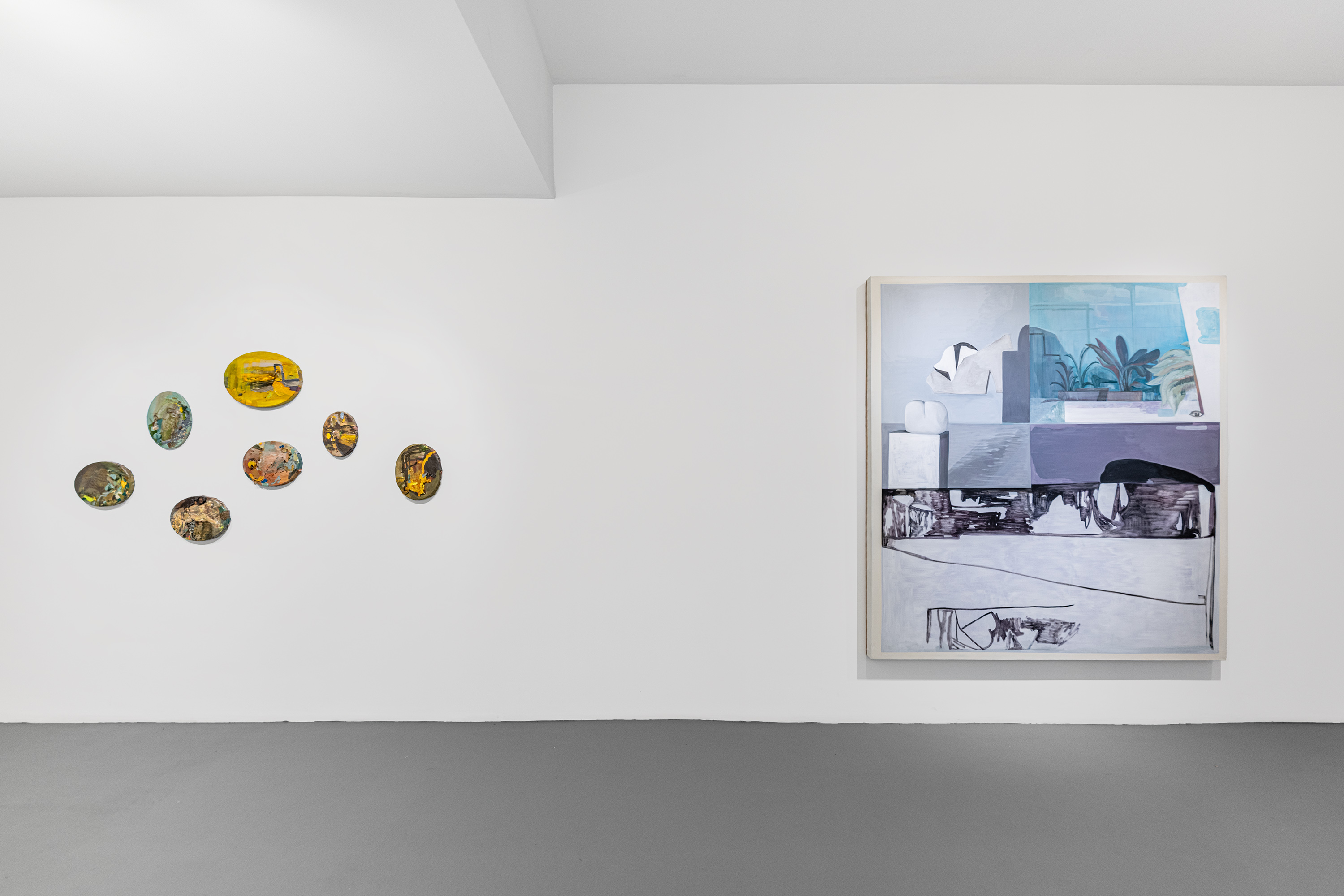
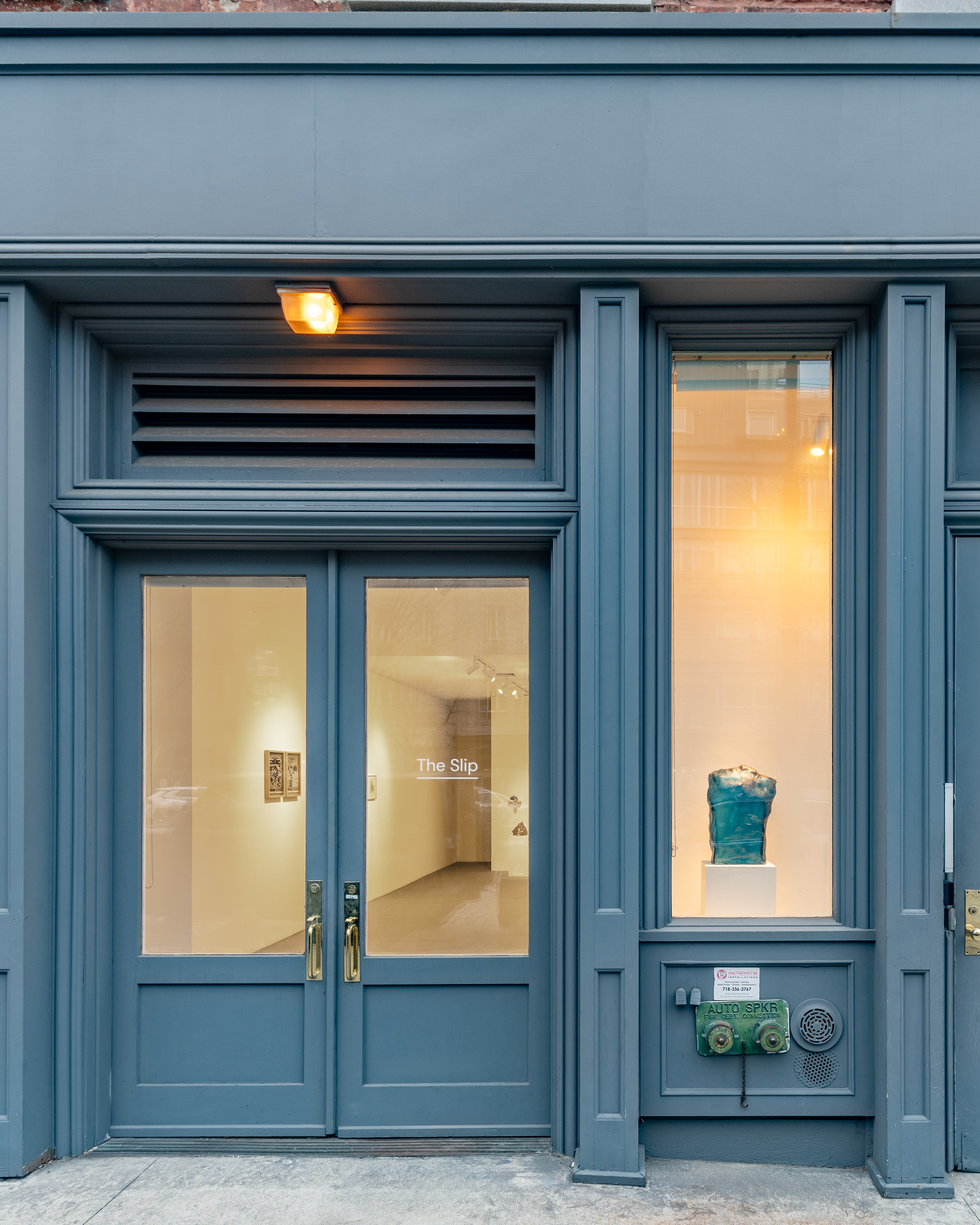
This census is a gesture of gathering rather than classification. A living archive that, instead of closing definitions, opens a space for imagination and transformation. An attempt to register the unregistrable: art as something that always slips away—like The Slip itself, refusing to be contained, sliding between categories and labels, expanding in multiple directions.
* Syd Krochmalny, from The Bureau of the Unknown Curator, reconfigures curation as a space for critical speculation and artistic experimentation.